Democratic Republic of Congo: constitutional reform sparks political storm
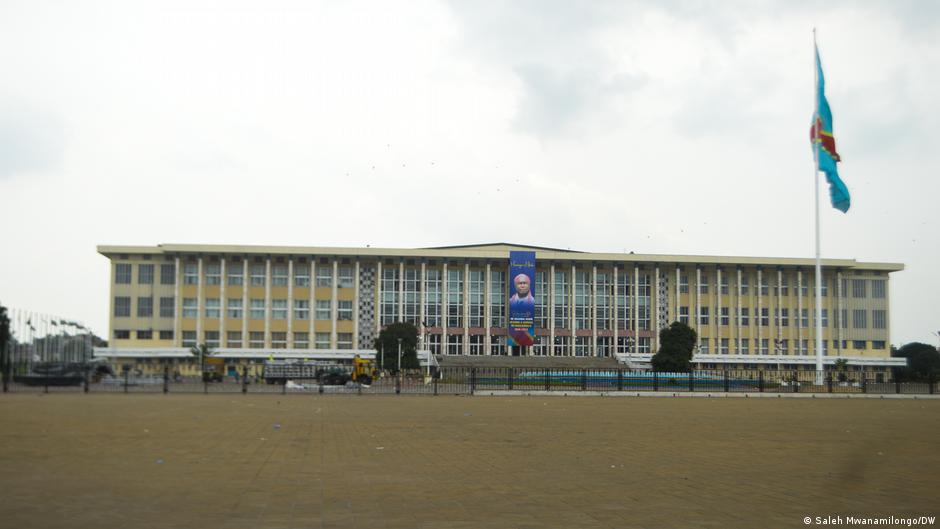
Public discourse in the Democratic Republic of Congo is intensely focused on the proposed constitutional amendments. On May 27, the National Assembly passed the bill outlining the referendum procedures, a move that has significantly heightened political tensions. The ruling majority argues these changes are vital for institutional restructuring, while opposition factions contend it is a calculated strategy to extend President Félix Tshisekedi’s tenure.
Congolese youth divided on a pivotal national issue
Beyond the rhetoric of political leaders, a crucial question persists: what are the views of Congolese youth, who constitute the majority of the population? Is this an historic opportunity to reshape the nation’s foundations, or merely a distraction from pressing social and security crises? In Kinshasa, young people voice diverse perspectives. Some perceive the reform project as an important chance to redefine the country’s institutional framework. Others, however, question the timing and the government’s priorities, particularly given the ongoing economic and security challenges.
Katumbi raises alarm: “a red line”
“The Constitution is not a shirt one changes at will,” declared opposition leader Moïse Katumbi, expressing his strong disapproval of the proposed constitutional overhaul. He asserts that the current administration is crossing a critical boundary.
Addressing topics such as public demonstrations, national dialogue, governance, and the nation’s political future, Moïse Katumbi, in an exclusive interview, directly challenged President Félix Tshisekedi on his intentions and the potential ramifications of this reform project for Congolese democracy.
C64 coalition announces legal offensive
On June 9 in Kinshasa, the C64 coalition, comprising several opposition parties including Moïse Katumbi’s, plans to file a legal complaint against President Félix Tshisekedi. The coalition accuses the head of state of attempting to seize power by force. This action signifies a further escalation in the already tense political climate.
When questioned about this legal move, jurist Jonas Ngalamulume tempered expectations regarding its immediate impact. He suggested it is primarily a symbolic gesture. While acknowledging its role in the opposition’s broader political strategy, Ngalamulume emphasized that its tangible legal consequences might be constrained. Nevertheless, he noted that it effectively fuels public debate and intensifies pressure on national institutions.
As stances harden on both sides, the constitutional reform issue has transcended its purely legal dimension to become a major political battleground. Caught between aspirations for reform and allegations of authoritarian tendencies, the institutional future of the Democratic Republic of Congo hinges on upcoming decisions and the public’s response.