Key challenges
How can street food vendors operating near the port maintain their livelihoods while ensuring safety and hygiene for both customers and themselves?
Sustainable solution
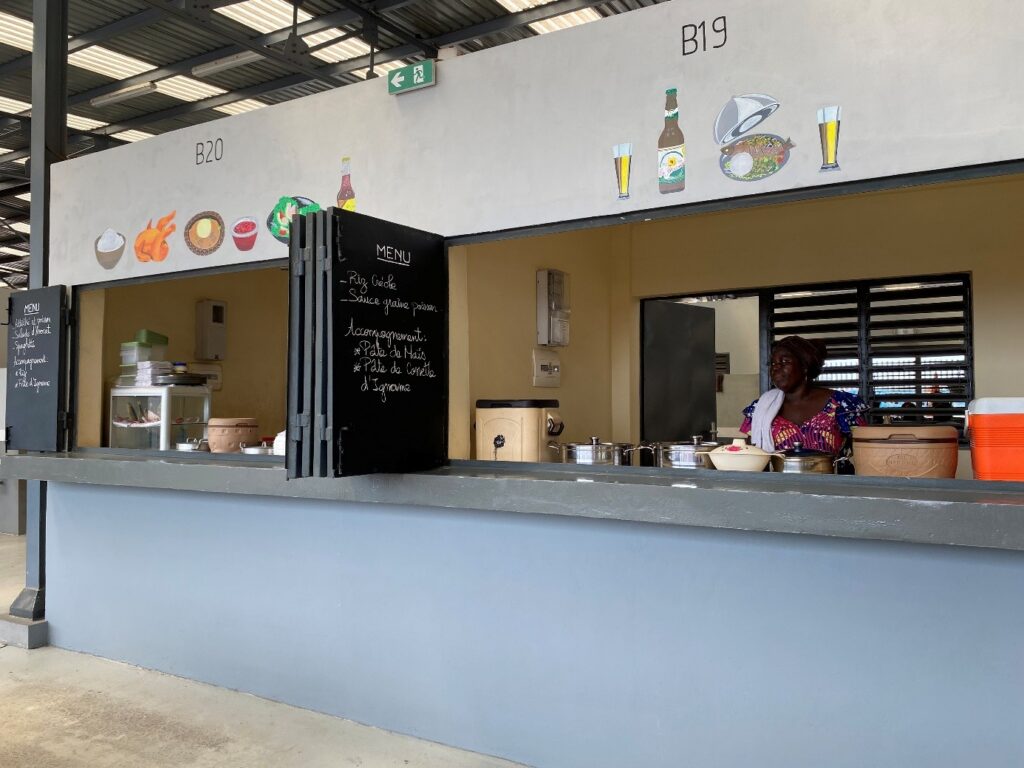
Observing the hazardous working conditions of food vendors along the port route — coupled with the need to elevate food hygiene standards — the Port Autonome de Cotonou (PAC) initiated a collaborative effort to address these issues. Through extensive stakeholder consultations, the port authority developed a modernized infrastructure featuring covered stalls, running water, and electricity. This initiative underscores the PAC’s commitment to social and environmental responsibility for neighboring communities.
Transforming vendor operations
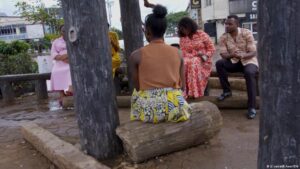
As part of its long-term commitment to social and environmental progress, the Port Autonome de Cotonou has spearheaded multiple initiatives for local populations. In 2024, the port unveiled a 3,000-square-meter covered facility equipped with cooking stations, water access, and electricity. Previously, 98 food vendors operated along the roadside, exposed to traffic and harsh weather, unable to cook on-site or store food properly, and lacking sanitary facilities. Now, they benefit from clean, modern spaces that enhance working conditions and elevate food hygiene standards for port employees and nearby residents. The secured stalls also enable vendors to build inventory, fostering financial stability.
The project, costing over 600 million FCFA, involved thorough consultations with stakeholders. Beyond improving working conditions and boosting vendor incomes through increased customer access, the relocation fostered a more inclusive community environment by attracting a broader clientele, including executives and dockworkers. Early indicators show a 20% sales increase, with ongoing data collection to assess further impacts, such as reduced incidents and waste.