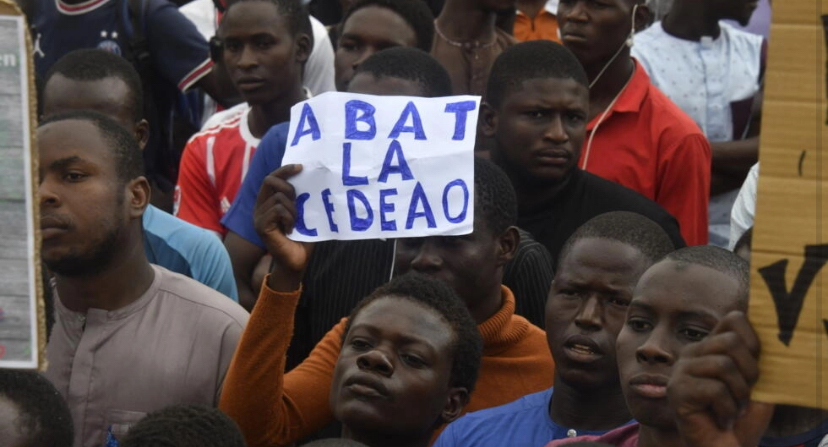
The recent announcement of Burkina Faso, Niger, and Mali withdrawing from the Economic Community of West African States (CEDEAO) raises critical concerns about the protection of human rights in these nations. This move could severely restrict citizens’ access to the CEDEAO Court of Justice, a vital legal recourse for victims of rights violations.
Why the CEDEAO Court matters for human rights
For years, the CEDEAO Court of Justice has served as a beacon of hope for individuals in West Africa seeking justice against state-sponsored abuses. Unlike domestic courts, this regional tribunal does not require plaintiffs to exhaust all local legal options before filing a case—a feature that significantly enhances accessibility for marginalized communities.
Ilaria Allegrozzi, a senior researcher at a leading human rights organization, underscores the court’s importance: «The CEDEAO Court of Justice was a crucial avenue for redress, especially in countries where impunity for security force abuses and government misconduct is rampant. Unfortunately, domestic justice systems in these nations often fail to provide adequate protection.»
Landmark decisions that shaped regional justice
The court’s rulings have set powerful precedents. For instance, it held Niger accountable for failing to protect a citizen from slavery, a landmark case that reinforced the state’s duty to prevent human trafficking. In another historic ruling, the court found the Nigerian government liable for environmental and human rights abuses committed by oil companies, demonstrating its role in holding both states and corporations accountable.
«The court’s ability to intervene without requiring prior exhaustion of local remedies made it an essential mechanism for justice in West Africa», Allegrozzi adds. «For victims of systemic rights violations, this withdrawal could mean losing their only viable path to accountability.»
What lies ahead for human rights in the region
With Burkina Faso, Niger, and Mali exiting the bloc, the future of regional human rights enforcement remains uncertain. Citizens in these countries may now face even greater challenges in seeking justice for abuses committed by security forces, government officials, or corporate entities. The loss of this judicial safeguard could exacerbate existing crises and undermine decades of progress in protecting fundamental freedoms.
As the political landscape shifts, civil society organizations and international partners must explore alternative mechanisms to fill the void left by the CEDEAO Court of Justice. Without proactive measures, the withdrawal of these three nations could deal a severe blow to human rights protections across West Africa.