Cameroon’s military reshuffle: president Paul Biya’s strategic moves from abroad
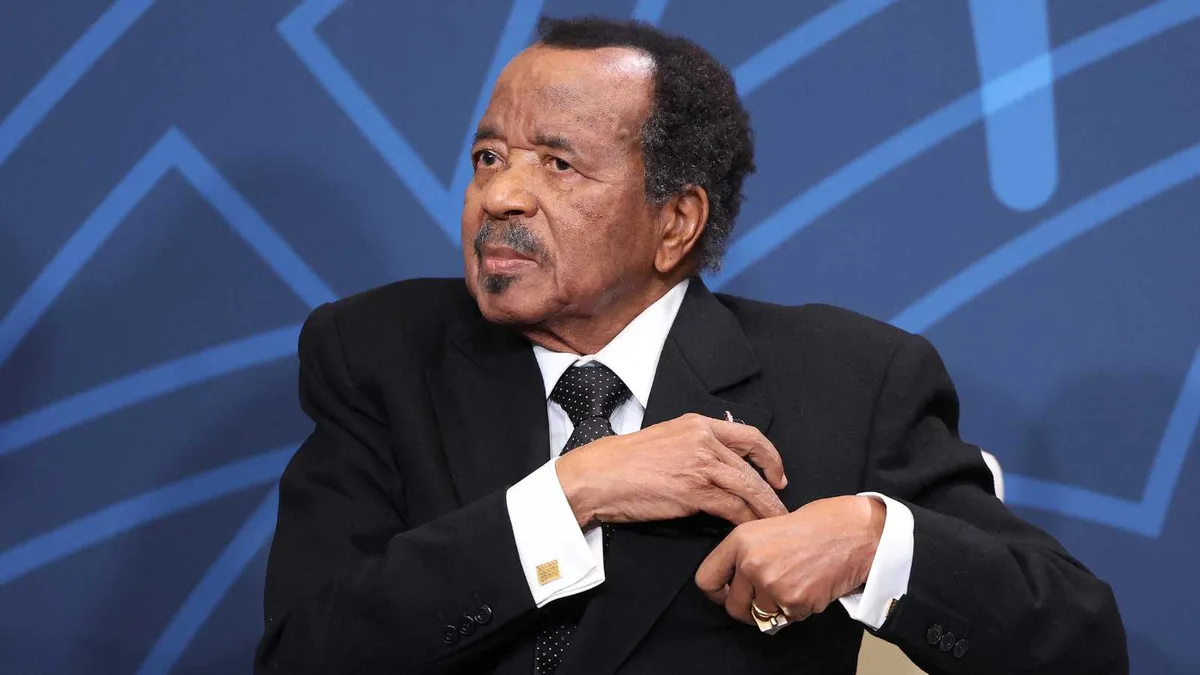
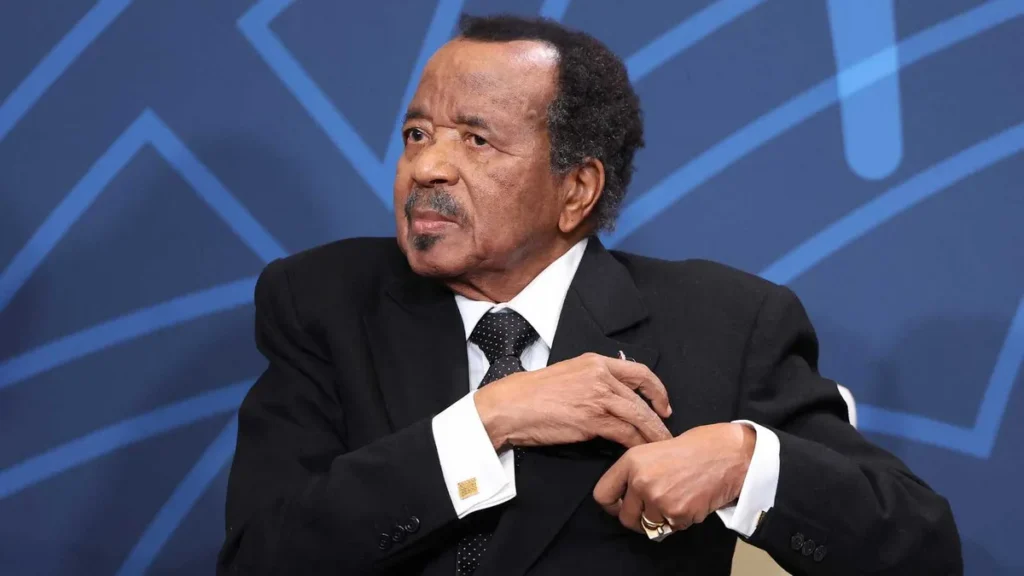
President Paul Biya of Cameroon has recently issued a series of decrees from his overseas location, marking a significant restructuring within the country’s Armed Forces. These official texts formalize the appointment of five new brigadier generals, the designation of a new Chief of Staff for the armed forces, as well as the renewal of multiple territorial commands and strategic units, including the Presidential Guard.
Key appointments and promotions
Among the most notable decisions is the promotion of Raymond Jean Charles Beko’o Abondo to brigadier general while retaining his position as head of the Presidential Guard, a role he has held for thirteen years. Analysts point out this marks the first time in the elite unit’s history—established in 1985—that its commander holds this rank. The move is widely seen as a strong endorsement of continued confidence from the head of state.
In another significant change, general of division Ebaka Hippolyte has been appointed as the new Chief of Staff of the armed forces, succeeding his predecessor who has moved to the second section. Additionally, six new territorial commanders have been installed across four of the five inter-service military regions, with deployments particularly focused on areas facing the most pressing security challenges—from the Far North against Boko Haram to the Anglophone regions of the Southwest.
A dual military and political statement
The restructuring carries both military and political significance. It underscores the strengthening of the command chain and signals that President Biya maintains full authority despite his prolonged absence. However, critics such as the Movement for the Rebirth of Cameroon led by Maurice Kamto argue these changes fall short of addressing concerns about the actual exercise of power. They continue to demand greater transparency and the long-awaited formation of the government announced by the president back in December 2025.