Benin lawmakers to vote on two urgent bills this friday
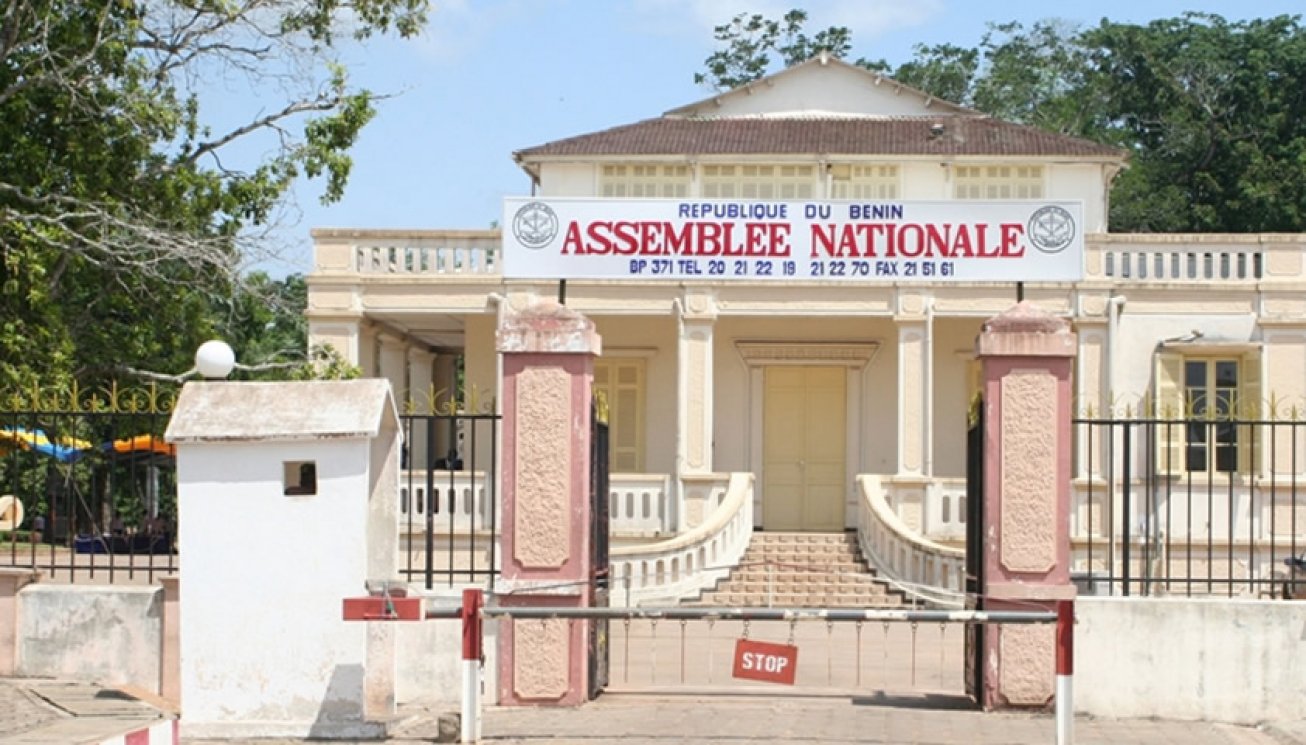
The deputies of Benin’s 10th legislature are set to convene this Friday at the Palais des Gouverneurs in Porto-Novo for a crucial plenary session. Two legislative proposals, fast-tracked for urgent consideration, will take center stage: a revised 2026 national budget and amendments to the law governing the office of the Médiateur de la République.
Key figures spearheading the legislative agenda
- Joseph Fifamin Djogbénou, President of the National Assembly
- Romuald Wadagni, Minister of Economy and Finance
The Conference of Presidents has approved this accelerated timeline to ensure swift examination and adoption of these priority texts. The urgency stems from the need to align public policy with the new governance framework established by President Wadagni’s administration and its strategic priorities.
Budget revisions and social priorities
The revised budget proposal increases total state expenditures from 3,783.984 billion to 4,086.620 billion FCFA—a rise of 8%. Despite this adjustment, macroeconomic projections remain unchanged with a projected growth rate of 7.5%. Personnel costs have been trimmed by 9.8% through efficiency measures that do not affect planned hiring or operational expenditures.
Meanwhile, budget revenues are projected to climb by 2%, while investment spending rises by 8.5%. These adjustments reflect a deliberate shift toward social priorities, including:
- Enhanced social protection systems
- Expanded access to clean water in schools and health centers
- Accelerated nutrition supplementation programs for children in their first 1,000 days
- Strengthening of mandatory health insurance coverage
- Support for vulnerable children in street situations
Education and infrastructure get major boosts
The revised budget prioritizes education through:
- Full implementation of free secondary schooling for girls starting in the 2026-2027 academic year
- Construction of additional school canteen facilities
Infrastructure development also receives significant attention with increased funding for:
- Hospital and clinic construction and rehabilitation
- Operationalization of the international hospital in Calavi
- Sanitation and transportation infrastructure projects
Security and economic resilience measures
Public safety initiatives include expanded video surveillance systems in major urban centers. The government is also addressing rising living costs exacerbated by global crises through subsidies on agricultural inputs to bolster productivity and food security.
Friday’s session represents a pivotal moment in Benin’s legislative calendar, combining significant financial implications with clear political and social signals about the government’s priorities.