Africa’s electrification drive gains momentum with Gabon joining mission 300 million connections
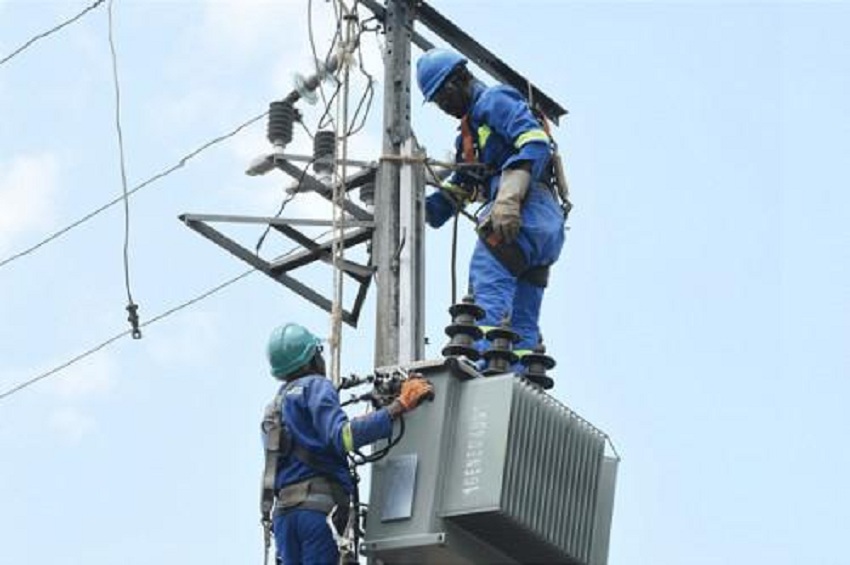
Libreville, June 19, 2026 – Africa is making unprecedented strides toward universal electricity access, with over 50 million people now connected across 40 countries. The « Mission 300 » initiative, backed by the World Bank Group and the African Development Bank (AfDB), is transforming the continent’s energy landscape—and Gabon is the latest nation to join this transformative movement.
The program no longer operates in isolation; it has evolved into a coordinated effort where governments, development partners, and private investors align behind a shared roadmap. This shift in approach is redefining how Africa approaches energy infrastructure, turning isolated projects into a continent-wide strategy.
Unprecedented acceleration powered by innovative financing
The milestone of 50 million connections reflects a historic acceleration in electrification rates. Data shows that access to electricity is now expanding nearly twice as fast as before the initiative’s launch. This breakthrough stems from an integrated approach that spans the entire energy value chain—from generation to last-mile distribution.
Notable successes highlight the scale of progress. In Tanzania, 7.5 million people gained access to electricity, with electrification rates increasing fivefold compared to pre-program levels. Meanwhile, Ethiopia connected 4.6 million households by implementing reforms that made grid connections more affordable.
Central to this transformation is a hybrid financial model. Nearly $15 billion has been committed by the two lead institutions, supplemented by $4.5 billion in co-financing and over $7 billion from private partners. Concessional loans, guarantees, and blended finance instruments are reducing risks and unlocking private investment in previously unprofitable regions.
In Nigeria, for example, over 4.5 million people were connected through private-led initiatives made viable by this risk-sharing framework.
National energy pacts: a new era of governance
The « Mission 300 » initiative has introduced a groundbreaking governance model: National Energy Compacts. To date, 30 African nations have adopted these strategic frameworks to guide their energy transitions.
These compacts serve multiple purposes—they expand power generation, lower connection costs, accelerate renewable energy adoption, strengthen regional integration, and attract private capital. More importantly, they represent a shift toward homegrown energy planning, where governments take the lead in shaping sustainable pathways.
Several countries, including Burkina Faso, the Central African Republic, Djibouti, Rwanda, and Uganda, are set to join this wave. Gabon is also stepping forward, with plans to unveil its National Energy Compact at the upcoming African Energy Forum in Cape Town. This move signals the country’s commitment to adopting the continent’s emerging energy governance standards.
Economic ripple effects with global implications
Leaders at the World Bank and AfDB emphasize that electricity is far more than infrastructure—it is a catalyst for economic growth. Access to reliable power drives job creation, improves healthcare and education, and enhances economic competitiveness.
According to the World Bank Group President, Ajay Banga, the true success of « Mission 300 » lies not in the number of connections, but in building a sustainable platform that can be sustained and scaled beyond 2030. The AfDB President, Sidi Ould Tah, adds that this progress must translate into tangible gains in food security, healthcare systems, and economic inclusion.
This collaborative model—where states, multilateral institutions, and private actors co-create solutions—marks a new paradigm in development financing. It demonstrates how shared risk and pooled resources can accelerate impact in previously underserved regions.
Redefining Africa’s role in global energy
« Mission 300 » is reshaping Africa’s position in the global energy ecosystem. By building interconnected grids and attracting large-scale private capital, the continent is transitioning from a recipient of aid to a strategic investment destination.
In this evolving landscape, Gabon and other African nations are no longer passive beneficiaries—they are active participants in this energy revolution. Their engagement in National Energy Compacts reflects growing institutional capacity and a commitment to sustainable growth.
The goal of 300 million connections by 2030 remains ambitious, but the milestone of 50 million proves the trajectory is real, measurable, and accelerating. The challenge now is sustaining this momentum amid financial, political, and logistical challenges across a rapidly transforming continent.