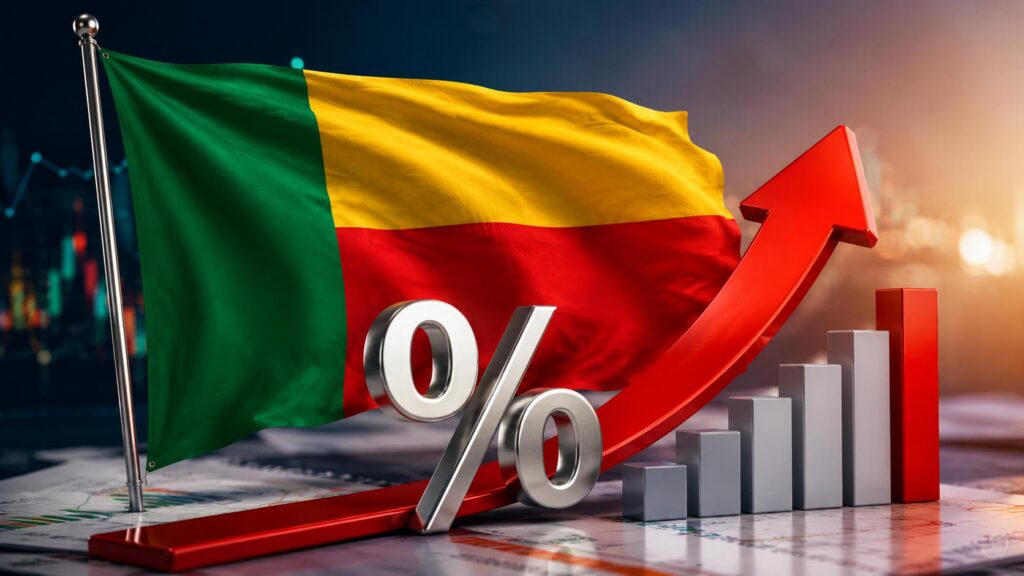
In a world grappling with geopolitical tensions and volatile financial markets, Benin stands out as a beacon of economic resilience. The nation’s growth trajectory has not only defied global headwinds but accelerated, with its GDP expanding by 8.1% in 2025—a pace expected to remain robust at over 7% through 2027. This exceptional performance is underpinned by bold industrial initiatives, critical infrastructure upgrades, and unwavering fiscal discipline, even as social and security challenges persist.
Defying global turbulence with a robust growth model
While many economies struggle to regain stability amid disrupted supply chains and financial instability, Benin has charted a different course. After a 7.5% GDP growth in 2024, the country accelerated to 8.1% in 2025, securing one of the highest growth rates in Africa. This exceptional momentum is no accident; it stems from sound macroeconomic fundamentals and a relentless commitment to structural reforms that prioritize diversification and local value addition.
A diversified economic engine
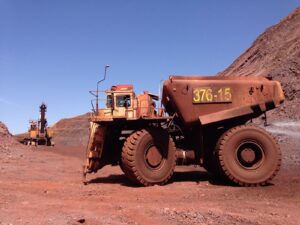
Benin’s growth story is unique in its breadth, with every major sector contributing to the surge in 2025. The industrial and infrastructure sectors led the charge, with manufacturing activity soaring by 9.8%—driven by transformative projects such as the Glo-Djigbé Industrial Zone (GDIZ). This flagship initiative has become a catalyst for local industries, particularly manufacturing, while extractive activities have flourished thanks to expanded quarry operations supplying both cement plants and a burgeoning tile production sector.
Services and digital innovation fuel tertiary expansion
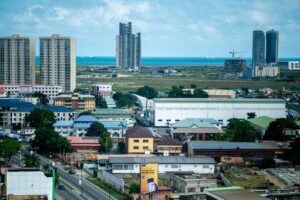
The services sector grew by 8.5%, buoyed by the rapid expansion of digital services, strong international trade flows, and the strategic role of the Port of Cotonou. As West Africa’s key logistics hub, the port continues to underpin regional trade, ensuring seamless connectivity for goods moving across borders.
Agriculture and livestock thrive amid favorable conditions
Agriculture, the backbone of Benin’s economy, expanded by 5.7%, with livestock production—a critical component—growing by 8.8%. This uptick reflects favorable weather conditions and targeted investments aimed at boosting local productivity. On the demand side, investment surged by 10.7%, while household consumption rose by 7.3%, signaling broad-based economic momentum.
Monetary stability and fiscal prudence anchor progress
Amidst a global inflationary wave, Benin has maintained remarkable price stability, keeping inflation at a mere 1.1% in 2025—well below the West African Economic and Monetary Union (WAEMU) target of 3%. This achievement is attributed to stable fuel supply costs from neighboring Nigeria and abundant local harvests, which have stabilized food prices.
The banking sector remains robust, with credit to the economy increasing by 8.8% and total banking assets up by 9.2%. The sector’s solvency ratio comfortably exceeds regulatory requirements, reflecting financial health. On the fiscal front, the government has adhered to its austerity measures, with tax revenues rising from 13.3% to 13.9% of GDP, while public spending was capped at 18.7% of GDP. This discipline reduced the budget deficit to 2.8% of GDP, down from 3% in the previous year. While the risk of over-indebtedness remains moderate, the Bank of Benin cautions against the rising cost of commercial debt, which is gradually increasing the burden of debt servicing.
Trade transformation and export-driven growth
Benin is transitioning from a transit economy to one focused on exporting value-added products. The GDIZ has played a pivotal role in this shift, enabling local processing of cotton, soybeans, and cashews into textiles and food products. Exports now account for 23% of GDP, up from 21.8%, helping to narrow the current account deficit to 5.8% of GDP. Within the WAEMU zone, foreign exchange reserves now cover 7.6 months of imports, providing a reassuring buffer for future trade.
Looking ahead, the West African Development Bank (BAD) projects steady growth of 7% in 2026 and 7.1% in 2027. This optimism is rooted in political stability, the expansion of Cotonou’s infrastructure, and the launch of new extraction projects, including the Sèmè oil field and the Perma gold mine.
The social challenge: harnessing demographic dividends
Despite these economic gains, the benefits have not yet fully translated into tangible improvements for the population. The BAD highlights the positive impact of 25,000 direct jobs created by the GDIZ, yet over 90% of Benin’s workforce remains in the informal sector—a structural reality that limits productivity gains and slows poverty reduction.
To bridge this gap, the BAD recommends accelerating investments in vocational training to align educational outputs with the needs of emerging industries. Strengthening human capital and fostering formal, sustainable employment are critical to unlocking the demographic dividend and ensuring inclusive growth.
Navigating risks and securing future stability
While Benin’s growth story is promising, it is not without risks. External threats include escalating tensions in the Middle East and prolonged oil price volatility, both of which could disrupt economic stability. Regionally, the persistent security challenges in northern Benin and the country’s economic reliance on Nigeria’s trade policies remain areas of concern. Additionally, climate variability poses a threat to agricultural yields, which could undermine food security and rural incomes.
To safeguard its progress, Benin must maintain fiscal discipline while accelerating strategic energy projects. The development of the Dogo-Bis hydroelectric plant is particularly vital—it will enhance the nation’s energy autonomy, reduce production costs for GDIZ industries, and bolster the country’s overall competitiveness.
Benin is carving a path as West Africa’s model of macroeconomic resilience. By leveraging industrialization, fiscal rigor, and infrastructure development, the country is on track for sustained growth exceeding 7% through 2027. Yet, the true measure of success will lie in its ability to transition workers from the informal sector, secure its borders, and translate economic prosperity into meaningful opportunities for its youth—a challenge that will define the nation’s next chapter.