Gabon’s president in Abidjan: a step toward stronger West African ties
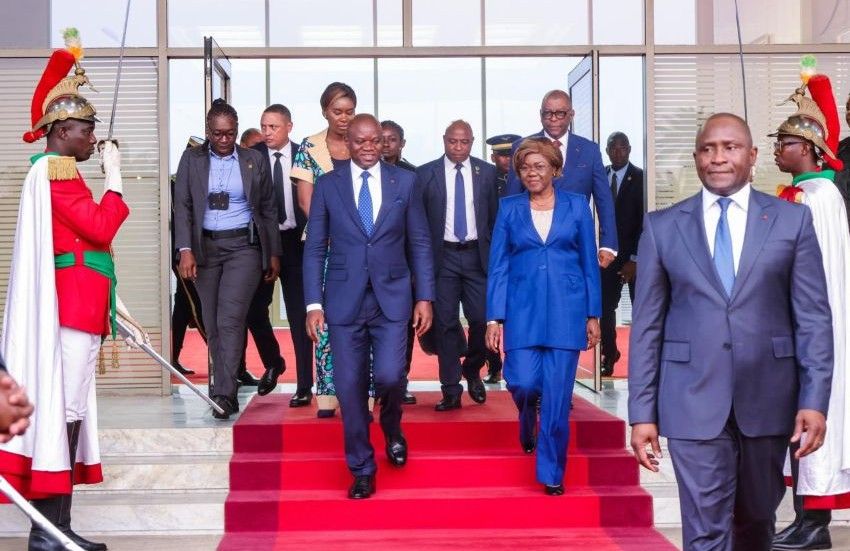
Libreville, August 5, 2026 – President Brice Clotaire Oligui Nguema’s arrival in Abidjan marks a fresh chapter in Gabonese diplomacy. Following visits to Ghana, Gambia, and Sierra Leone, the Gabonese leader continues his West African outreach, with Côte d’Ivoire as a pivotal stop.
The Gabonese president, honored guest at Côte d’Ivoire’s 66th Independence Day celebrations, arrives not merely to celebrate bilateral ties but to position Gabon within a continental framework where political alliances must translate into tangible economic cooperation and shared benefits.
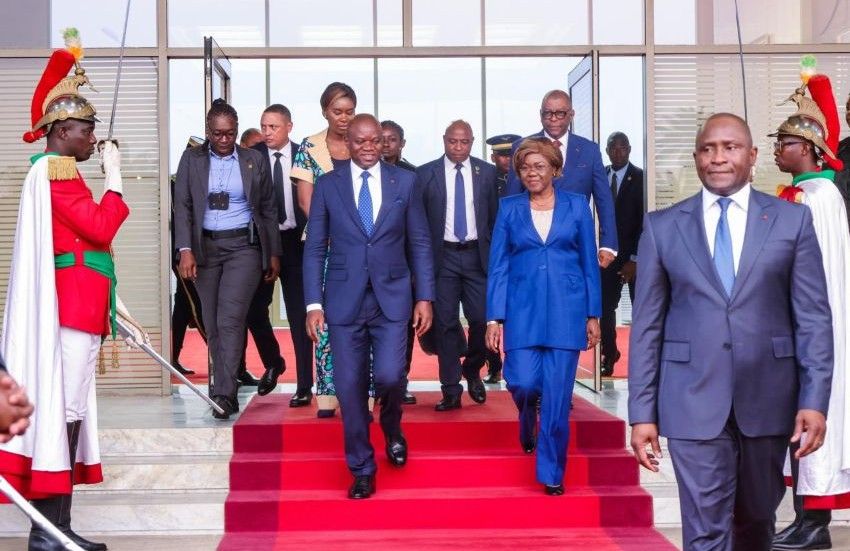
Accompanied by First Lady Zita Oligui Nguema, the head of state was formally welcomed by Nialé Kaba, Côte d’Ivoire’s Minister of State for Foreign Affairs. While protocol highlights strong Libreville-Abidjan relations, this visit carries deeper significance amid Gabon’s efforts to redefine its continental role and diversify partnerships.
The priority is no longer about symbolic diplomacy but converting political proximity into practical cooperation.
Côte d’Ivoire emerges as a key partner, offering Gabon a model in economic transformation, infrastructure, agriculture, services, and urban planning. Gabon possesses substantial resources but seeks mechanisms to convert these advantages into job creation, investments, and improved public services.
The presidential agenda in Abidjan focuses on exploring this potential through meetings with the Gabonese community, visits to key projects, and discussions on strengthening bilateral cooperation. Currently, no major agreements or investment figures have been disclosed, a cautious approach that distinguishes diplomatic promises from economic outcomes yet to materialize.
For Gabon, this West African strategy reflects a deliberate shift. Engagements with Accra, Banjul, Freetown, and now Abidjan signal a push to strengthen ties with nations boasting diverse experiences from Central Africa.
Sharing expertise, opening new markets, facilitating skill exchanges, and forging African partnerships could help Gabon reduce dependence on traditional partners. Yet diplomatic success is measured not by visit counts but by tangible outcomes left behind.
Gabonese citizens are now questioning what this closer Côte d’Ivoire relationship will mean for their daily lives. More economic partnerships, strengthened university exchanges, investments, skill transfers, business opportunities, and deeper cooperation in strategic sectors would visibly enrich this relationship.
In Abidjan, President Brice Clotaire Oligui Nguema commands a prestigious diplomatic stage. Yet the true test begins after the ceremonies. Gabon can no longer settle for mere presence at African summits; it must transform this presence into influence, and influence into results.
The historic friendship between Libreville and Abidjan now faces a more demanding phase. It must evolve from protocol into a concrete tool for development, economic sovereignty, and shared progress for both peoples—a benchmark far surpassing ceremonial formalities in its significance for Gabonese citizens.