Africa holds a commanding share of the world’s critical mineral reserves, the backbone of today’s energy transition and digital revolution. A landmark conference held in July 2026 explored how the continent can navigate intensifying global competition over these resources. Policy makers, mining analysts, and civil society leaders gathered to dissect a strategic shift reshaping Africa’s economic and security landscape.
Global rivalry reshapes Africa’s mineral wealth
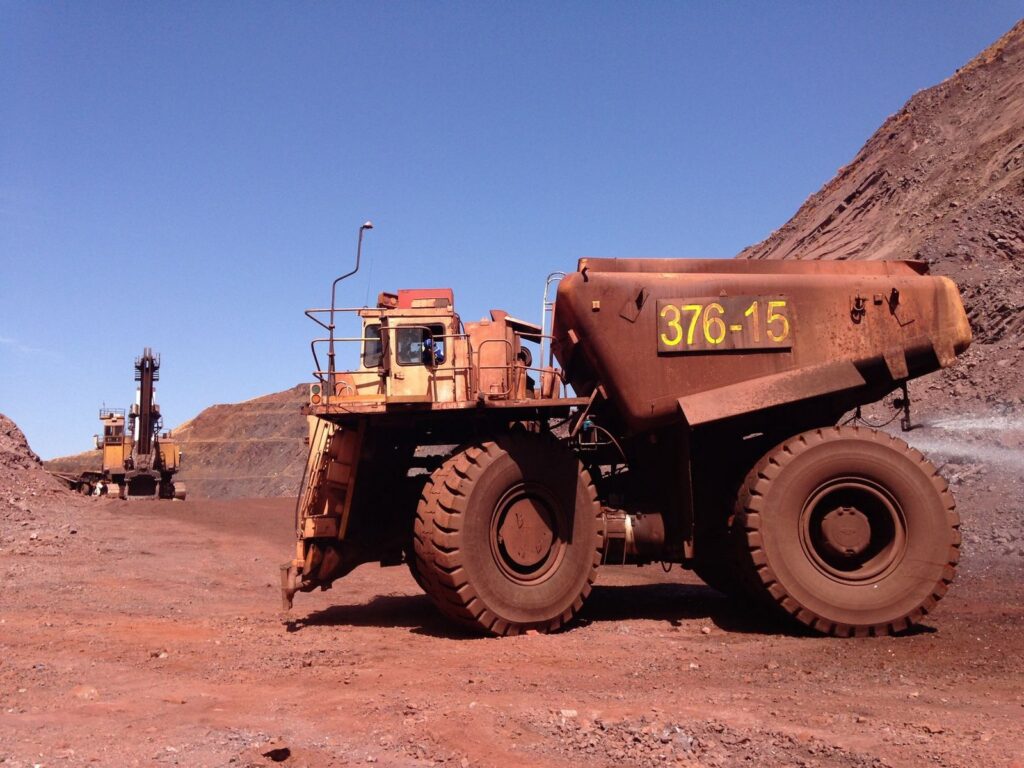
The surge in demand for cobalt, lithium, nickel, graphite, and rare earths is driven by the rapid electrification of transport and the expansion of digital infrastructure. Africa, home to nearly 30% of the planet’s identified critical mineral deposits, now sits at the heart of a high-stakes geopolitical contest. Washington, Beijing, Brussels, Abu Dhabi, Riyadh, and Ankara are all racing to secure deals, stakes, and investment along Africa’s mining corridors.
Experts at the event highlighted how this competition is transforming Africa’s economic governance. Resource-rich states now wield unprecedented bargaining power, yet remain vulnerable to price swings and the lure of short-term gains. The Democratic Republic of the Congo’s cobalt riches, Guinea’s bauxite wealth, Zimbabwe’s lithium potential, and Mozambique’s graphite reserves each tell a story of promise and peril, where mining can either fuel industrial growth or deepen instability.
Mining governance and security under pressure
Governance emerged as a critical theme. Despite Africa’s mineral abundance, most value addition happens abroad. Refining, chemical processing, and battery manufacturing remain concentrated in Asia, leaving producer nations stuck in the low-value extraction stage. Still, a handful of recent initiatives aim to flip this script. The landmark agreement between the Democratic Republic of the Congo and Zambia to build a regional electric battery value chain stands out as a bold step forward.
Meanwhile, critical mineral extraction often takes place in conflict-prone zones. Eastern Democratic Republic of the Congo, the Sahel, and parts of the Gulf of Guinea combine geological wealth with weak institutions. This mix fuels shadowy export networks that benefit armed groups. Speakers called for stronger traceability systems, akin to those championed by the Extractive Industries Transparency Initiative (EITI), and stronger African coordination to curb illicit flows and stabilize these regions.
Breaking free: the push for local mineral processing
The idea of a ‘second independence’—freeing Africa from exporting raw materials only to import high-value finished goods—dominated discussions. Achieving this requires heavy investment in energy infrastructure, engineering training, special economic zones for metallurgical processing, and updated mining tax codes.
Several nations are taking action. Guinea has demanded an alumina refinery as part of the Simandou mega-project. Zimbabwe banned raw lithium exports in 2022. Namibia and Botswana are drafting rules requiring a minimum level of local processing. These policies, though sometimes spooking foreign investors, mark a clear break from the free-market mining policies of the 1990s.
Discussions also focused on Africa’s financial institutions. The African Development Bank (AfDB) and Afreximbank are designing funding tools tailored to mineral processing, while Gulf sovereign wealth funds are eyeing African mining assets. The battle for mineral sovereignty will be fought not just in mines, but also in global financial markets. This conference underscored that control over critical minerals is now a defining marker of African power in the 21st century.