African football must confront its weaknesses after early world cup exits, warns Sonko
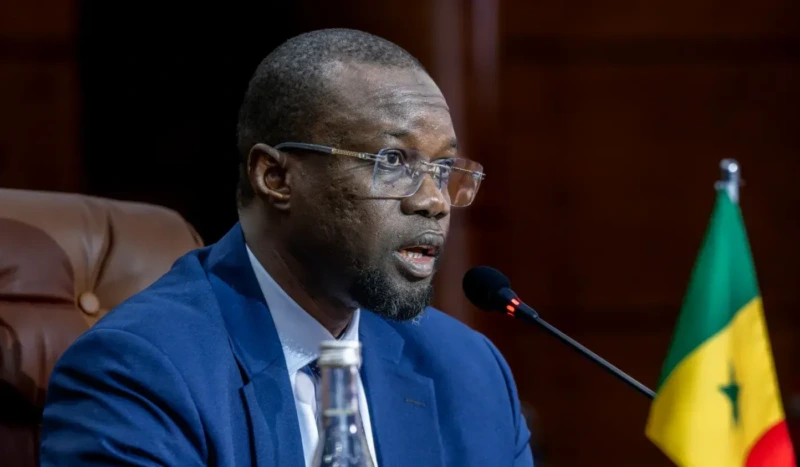
Ousmane Sonko, Speaker of the National Assembly, delivers a sharp assessment of African football’s performance at the 2026 World Cup. Despite more African teams qualifying than ever, he highlights deep-seated structural flaws that continue to hold the continent back, urging immediate reforms in governance and team management.
In a candid interview, Ousmane Sonko, also leader of the Pastef/Les Patriotes party, shared his observations on Africa’s showing at the 2026 World Cup. His remarks come at a time when several prominent African teams exited the tournament far earlier than expected.
While acknowledging the expanded number of African qualifiers—a decision driven by FIFA’s decision to broaden the competition—Sonko emphasized that this was not an act of generosity toward the continent. Instead, he framed it as a natural outcome of a global tournament now open to more nations. However, he reserved his sharpest criticism for the quality of performance on the pitch, where administrative and organizational shortcomings repeatedly undermined potential success.
Sonko refrained from dwelling on controversies surrounding the tournament’s organization but did note what he perceived as FIFA’s leniency in enforcing standards—an observation he linked directly to the struggles of African teams.
Key lessons from the World Cup
For Sonko, the most glaring lesson from this World Cup is the persistent inability of African football to overcome systemic issues in management, team administration, and discipline. These deficiencies, he argues, directly contributed to the disappointing exits of several highly anticipated teams—including Senegal, a squad that entered the tournament with real potential to advance further.
« This World Cup has once again laid bare our persistent weaknesses, » Sonko stated, calling for a fundamental reassessment of how African football is run. Despite the expanded field, he pointed out that some of the teams still competing were not inherently stronger than those already eliminated—raising serious questions about preparation and execution.
Yet Sonko was quick to acknowledge the merit of the teams that advanced, emphasizing that their victories were hard-earned. He stressed that while Africa must confront its own shortcomings, it should do so without diminishing the achievements of others.