Vandalism at Gabon’s Media Regulator Sparks Concerns Over Institutional Security
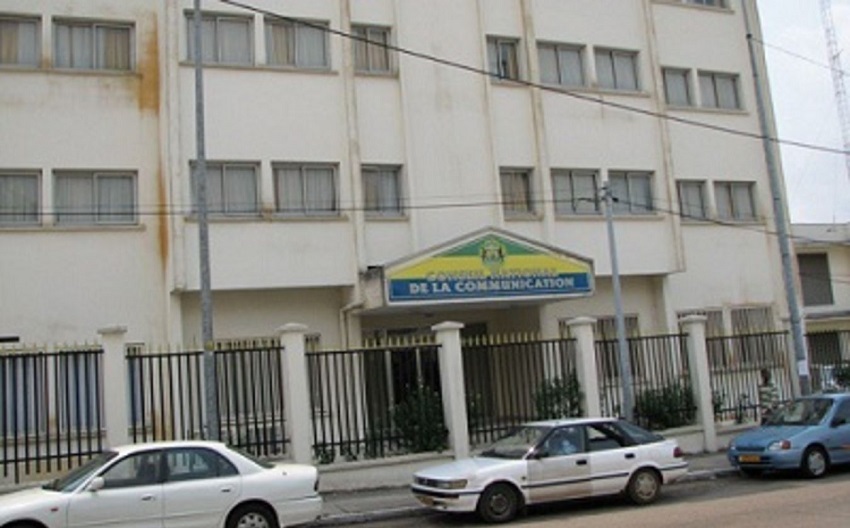
Libreville, June 3, 2026 – The recent vandalism at the offices of Gabon’s media regulator has raised serious questions about the security of the country’s public institutions.
The incident goes beyond mere property damage. Four offices belonging to senior advisors at the Haute Autorité de la Communication (HAC) were broken into and ransacked, highlighting a critical vulnerability in the protection of state institutions responsible for overseeing public life and ensuring the proper functioning of governance.
In an era where media regulation, public information, and digital communication play an increasingly pivotal role in society, any attack on a regulatory body carries significant implications. The perpetrators forcibly entered the HAC premises by damaging doors and locks, gaining unauthorized access to restricted areas.
As of now, the full extent of the damage and the motives behind the intrusion remain unclear. Authorities have yet to disclose official details about the incident or confirm whether sensitive materials were compromised.
The HAC: A Pillar of Democratic Balance
The Haute Autorité de la Communication serves as a cornerstone of Gabon’s institutional framework, tasked with enforcing regulations on media, audiovisual communication, and public information. Its role intersects with fundamental principles such as freedom of expression, editorial responsibility, and public order—making it a highly sensitive entity within the country’s governance structure.
While no direct link has been established between the vandalism and the HAC’s regulatory functions, the incident underscores the urgent need to strengthen protections for institutions entrusted with safeguarding democratic values.
Institutional Security Under Scrutiny
Perhaps the most troubling aspect of this breach is the apparent ease with which the intruders accessed multiple offices. The incident has exposed potential weaknesses in the security protocols governing Gabon’s public administration, raising concerns about the state’s ability to protect its critical infrastructure.
In modern democracies, regulatory bodies are typically granted enhanced security measures due to the sensitivity of the information they handle and their role in maintaining public trust. The attack in Libreville serves as a stark reminder that administrative security is not merely a logistical concern—it is integral to the credibility and continuity of public service.
Vandalism, Theft, or Intelligence Gathering?
Multiple theories about the incident remain under consideration. Was this an act of wanton destruction, a burglary targeting valuables, or a deliberate attempt to access classified documents or equipment? Without official clarifications, it is impossible to rule out any possibility.
The lack of transparency surrounding the nature of the compromised assets further complicates efforts to assess the full impact of the breach. However, the ongoing investigation holds the potential to uncover the perpetrators’ motives, methods, and any systemic failures that facilitated their intrusion.
A Wake-Up Call for Public Administrations
Beyond the HAC, this incident serves as a critical reminder for all Gabonese public institutions. As digital transformation accelerates, the management of sensitive data and the protection of administrative spaces have become strategic imperatives. The security of public institutions is not just about preserving state assets—it is about defending administrative continuity, citizen trust, and the foundational principles of the Republic.
The investigation must identify those responsible, but the broader challenge lies in learning from this breach. Institutions charged with upholding democratic norms must be able to operate in an environment where their security is guaranteed. When a regulatory authority’s offices are forcibly entered, it is not just a building that is violated—it is the very principle of institutional protection that is called into question.