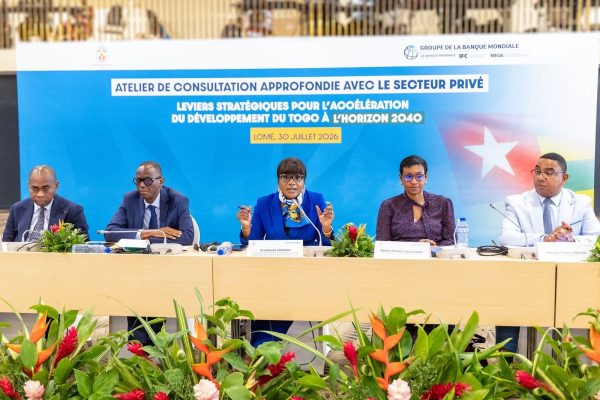
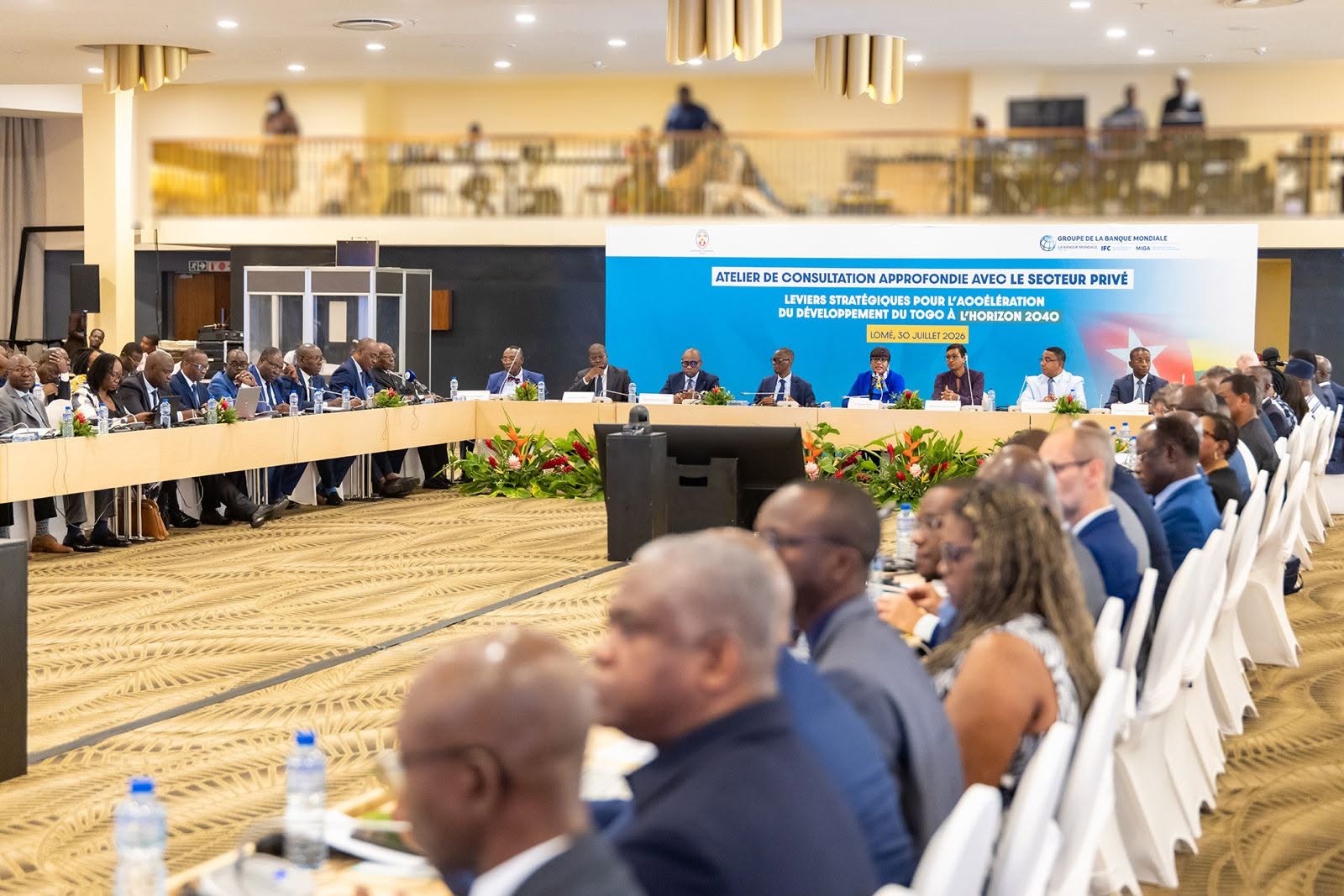
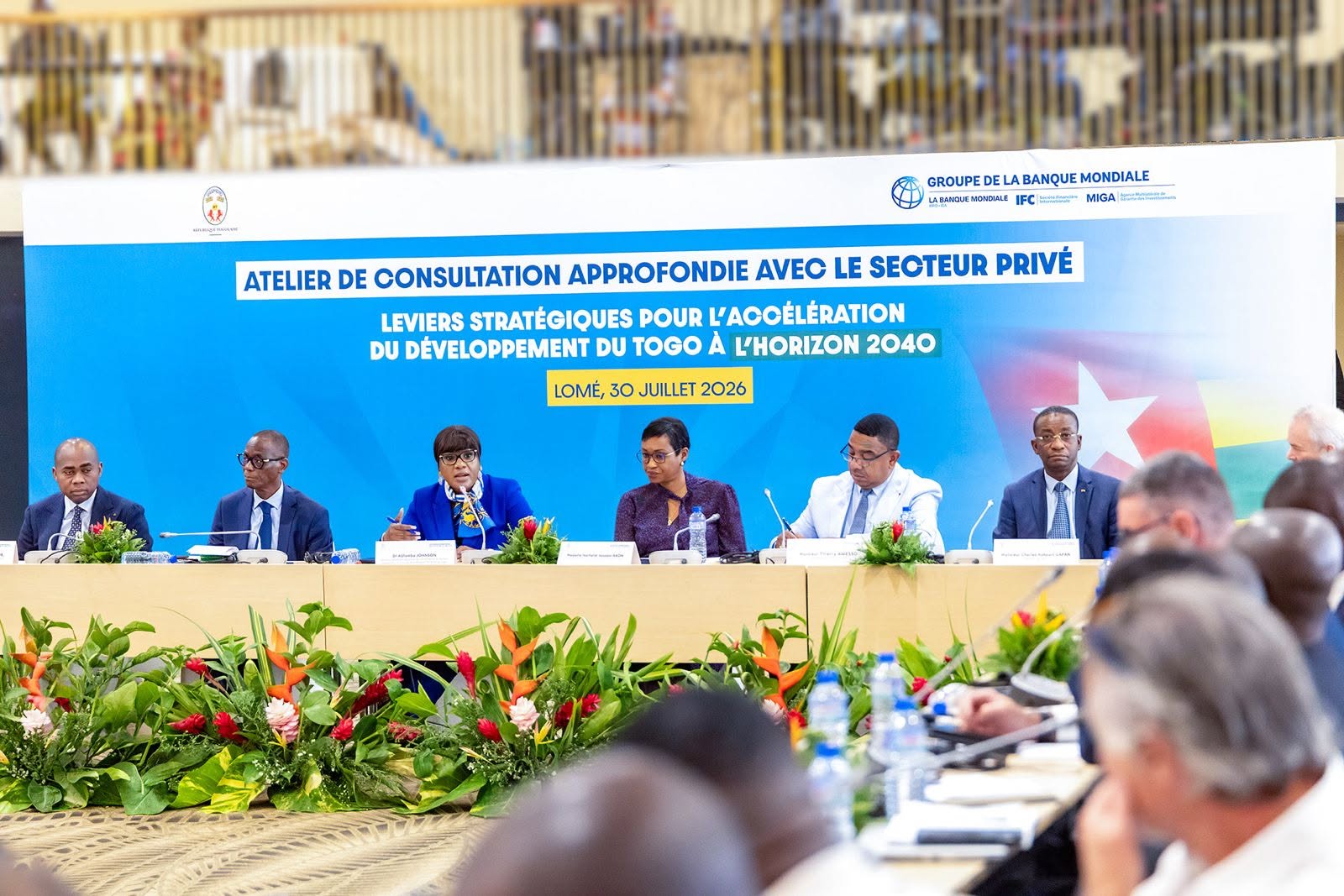
Togo is now actively positioning investors and businesses at the core of its long-term national aspirations. In Lomé, government officials convened the nation’s key economic players on Thursday, July 30, to address a critical question: how to establish the private sector as a fundamental pillar for the economic transformation anticipated in the coming years?
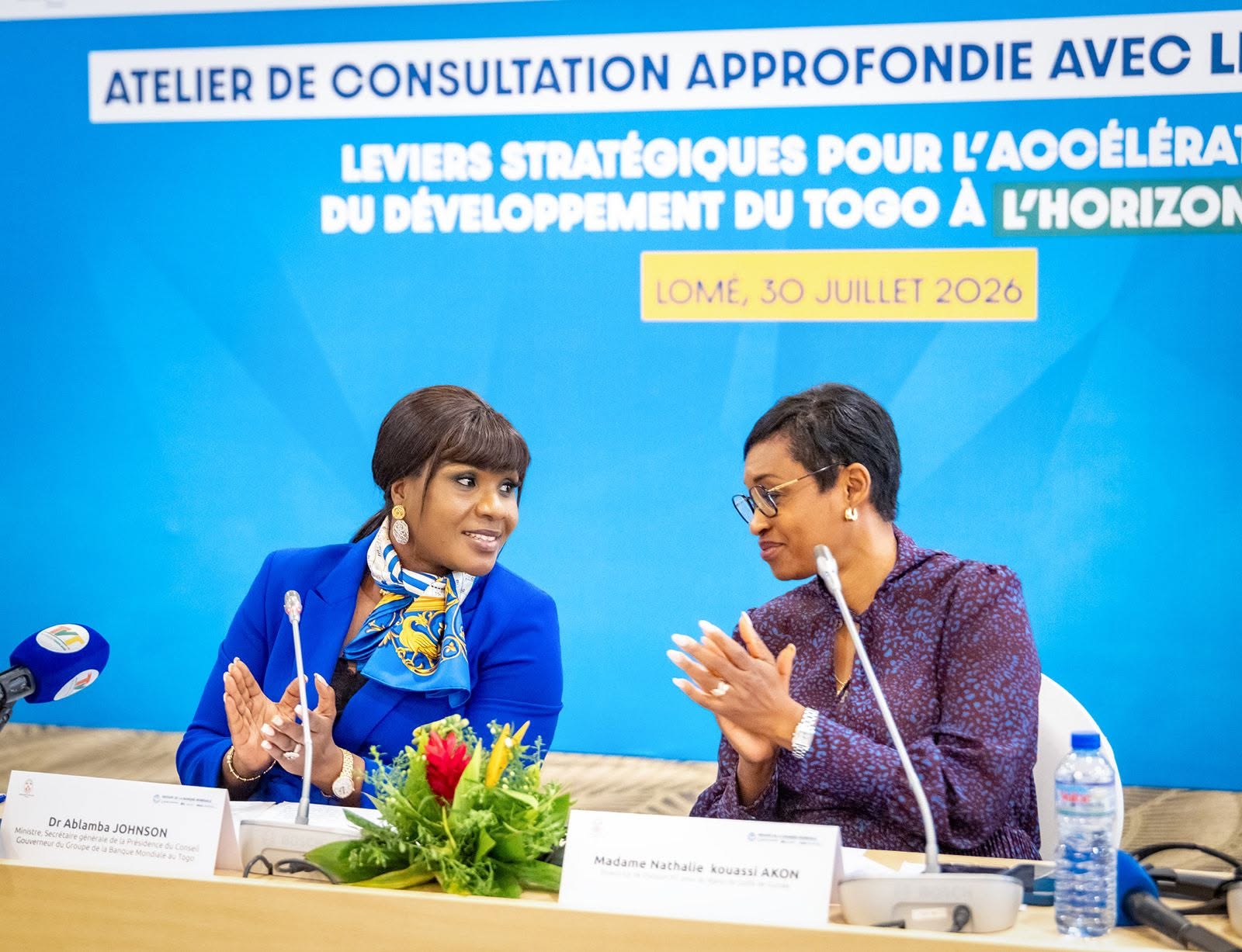
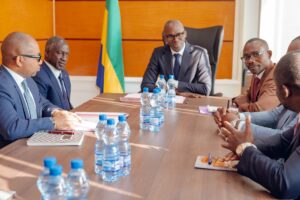
The strategic workshop, dedicated to Vision Togo 2040 and the Government Roadmap 2026-2031, saw attendance from representatives of the World Bank Group, the Employers’ Association, the Chamber of Commerce and Industry, prominent Togolese enterprises, and international experts. Sandra Ablamba Johnson, Minister and Secretary-General of the Presidency of the Council, officially opened the gathering on behalf of President Faure Essozimna Gnassingbé.
A new scale of ambition
Beneath the technical discussions lies a far-reaching ambition. Togolese authorities aim to double the average living standard for citizens and reduce the poverty rate to below 15% by 2040. To achieve these ambitious targets, the government plans to increasingly leverage the private sector’s capacity for investment and job creation.
The premise is clear: the State alone cannot bear the entire burden of an economic transformation of this magnitude. Therefore, it is essential to attract more capital, foster the growth of national businesses, and cultivate an environment conducive to investment.
From assessment to actionable measures
This workshop was specifically designed to provide answers in this critical area. Participants were tasked with examining the necessary conditions to elevate the private sector from merely an economic actor to a full-fledged partner in public policy. This deliberation directly addresses investment conditions, business development, capital mobilization, and the creation of new productive activities.
However, the ambition extends beyond merely formulating objectives. Authorities now seek an operational action framework capable of translating the Vision Togo 2040 guidelines into concrete initiatives. The presence of the World Bank and international experts lends a unique dimension to these proceedings, allowing national strategies to be benchmarked against experiences and best practices observed in other economies.
Private sector urged to play its part
The unequivocal message conveyed during this meeting is that the next phase of Togolese development must increasingly rely on private enterprise and investment. Ultimately, the Lomé gathering marks a significant step in the pursuit of a new growth model, aiming for an economy by 2040 that can substantially improve the living conditions of its people.
For Togolese authorities, the challenge now is to convert this ambition into decisions, and then these decisions into tangible results. Only under these conditions can the objectives set for the coming years transcend projections and become an economic and social reality.