Togo’s democracy under siege: the silent coup behind the new constitution
Togo has just taken a dramatic step that many observers view as a decisive blow to democratic turnover. With the adoption of its new Constitution on April 19, the nation has abandoned its semi-presidential model in favor of a tailored parliamentary system. Beneath the technical jargon, the true intent is clear: to cement Faure Gnassingbé’s lifelong presidency.
A carefully engineered power play
The new framework strips the office of President of the Republic of its core functions, reducing it to a ceremonial role—little more than a decorative figurehead. The head of state loses all regal powers, becoming a hollow symbol while real authority shifts elsewhere.
The engine of this transformation is the Prime Minister, a position crafted specifically for and by Faure Gnassingbé. This role concentrates absolute power: control over the military, foreign policy, and public administration. The apparent dualism is merely a smokescreen, masking the unchecked dominance of a leader unwilling to relinquish control.
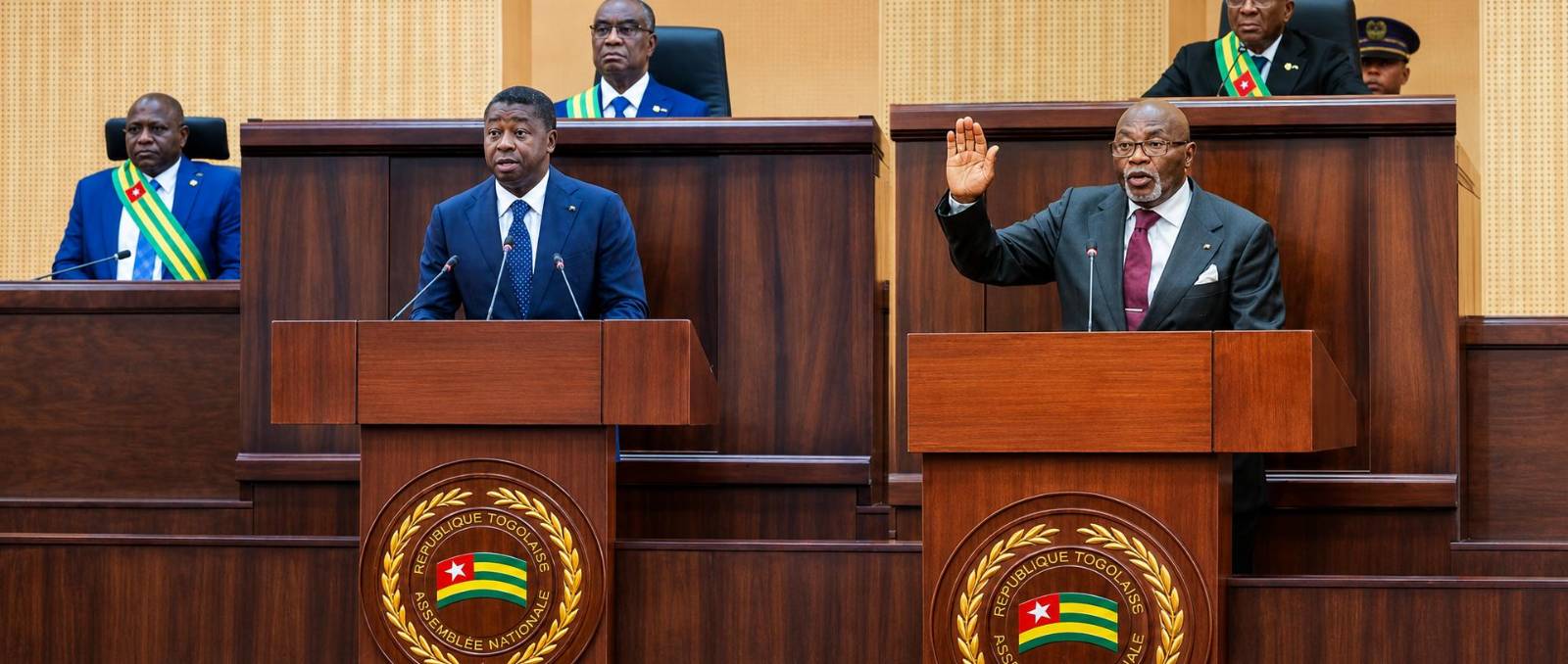
Faure Gnassingbé’s pathway to perpetual rule
The most controversial aspect of this reform is the de facto abolition of term limits. By tying the premiership to a parliamentary majority and ensuring that the ruling party dominates the assembly, the regime removes the final legal obstacle to endless governance. This constitutional overhaul grants Faure Gnassingbé an unassailable throne—one that no longer depends on the unpredictability of direct presidential elections.
For a leader who has held power since 2005, following in the footsteps of his father, this transformation guarantees dynastic permanence. The shift to a parliamentary model eliminates the need for a public vote he can no longer guarantee to control, locking in his authority indefinitely.
Citizens disenfranchised: the death of Togo’s electoral voice
The most damning consequence of this constitutional maneuver is the complete exclusion of the Togolese people from the political equation. Under the new system, citizens no longer choose who leads their nation. Elections devolve into mere bureaucratic formalities, devoid of real democratic substance.
The public debate vanishes, replaced by opaque backroom deals that turn Togo’s political landscape into a legal cage. This rigid consolidation of power leaves no room for alternation. By severing the link between leadership and popular mandate, the reform confirms that the Togolese Fifth Republic is nothing more than a legalized dictatorship—one that has equipped itself with the tools to keep Faure Gnassingbé in power, without end.