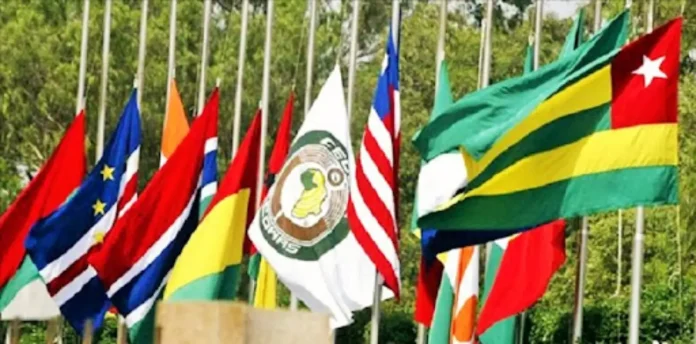
International pressure is mounting against the political shifts in Togo, as a coalition of 43 African civil society organizations (CSOs) from the continent and its diaspora issues a joint appeal to the Economic Community of West African States (ECOWAS), the African Union (AU), and the United Nations (UN). The demand is clear: enforce sanctions on Lomé’s government for what they describe as an unconstitutional power grab disguised as constitutional reform.
The urgency stems from a landmark ruling by the ECOWAS Community Court of Justice, which declared the March 2024 constitutional amendment—a shift from a presidential to a parliamentary system—a breach of the African Charter on Democracy, Elections, and Governance (ACDEG). The court’s decision, referenced as Case No. ECW/CCJ/JUD/01/26, underscores that the reform circumvents term limits and was railroaded through parliament without a popular referendum.
Why the constitutional change sparks outrage
The controversy centers on a clause granting executive power to a prime minister, effectively sidestepping presidential term restrictions. Critics argue the reform was railroaded by lawmakers whose mandates had already expired, with no public consultation. For the 43 CSOs, this represents a systematic erosion of democratic norms, setting a dangerous precedent for the West African region.
Five demands for decisive action
To curb what they see as a slippery slope of constitutional manipulation, the civil society coalition has outlined five targeted sanctions they urge ECOWAS and the AU to impose:
- Immediate suspension of Togo’s participation in ECOWAS decision-making bodies;
- Revocation of voting rights within the African Union until democratic standards are restored;
- Legal proceedings against architects of the constitutional amendment;
- Review of diplomatic accreditations for officials linked to the reform;
- Appointment of a UN Special Rapporteur to monitor human rights and governance in Togo.
Lomé’s defiant stance: sovereignty over international scrutiny
The government of Togo has dismissed the ECOWAS court’s ruling as an overreach, asserting that regional bodies lack authority to judge sovereign national decisions. In an official response, authorities argued that the shift to the Fifth Republic was an internal affair, aimed at modernizing state institutions without external interference. The standoff highlights a widening rift between Lomé and regional bodies over the interpretation of democratic governance.