Tchad: Mahamat Idriss Déby’s pardon announcement sparks political easing hopes
As Chad celebrated its 66th Independence Day, President Mahamat Idriss Déby Itno declared his intention to use his presidential pardon powers for multiple convicts. While the identities of those set to benefit remain undisclosed, the announcement has heightened anticipation regarding the fate of several opposition figures, notably former Prime Minister Succès Masra.

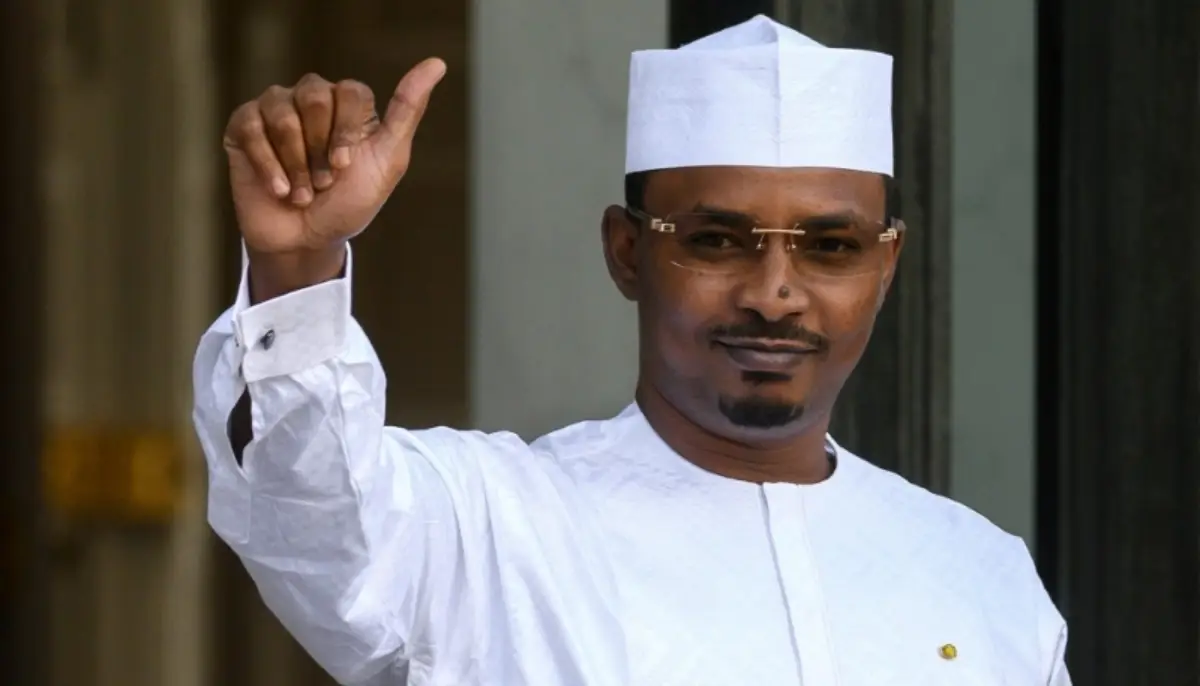
Table of contents
The Independence Day address delivered by Chad’s leadership could mark the beginning of a new political chapter. President Mahamat Idriss Déby Itno revealed plans to exercise his constitutional pardon authority, though specific beneficiaries and the scope of applicable sentences remain undisclosed.
In his address, the President framed the pardon initiative within broader themes of national unity and reconciliation. The actual impact will hinge on the forthcoming decree, which will clarify the identities of those granted clemency and the terms—whether partial or full—of sentence reduction or commutation.
The ambiguity has intensified speculation regarding detained opposition figures. For months, political factions have urged gestures of political easing, particularly from the Coalition for Saving Democracy in Chad (COSADT), established in January 2026. Their demands include initiating a political dialogue and releasing individuals they classify as political prisoners.
Succès Masra: the pivotal figure in expectations
At the forefront of discussions is the case of former Prime Minister Succès Masra, leader of the Les Transformateurs party. In August 2025, he was sentenced to 20 years in prison following a conviction tied to intercommunal violence. The court found him guilty of disseminating hate speech and incitement to violence, as well as involvement in homicide.
His appeal was rejected by the Supreme Court on May 21, 2026, finalizing his conviction within Chad’s judicial system. This development removes legal barriers to a potential presidential pardon, a possibility frequently discussed in recent months.
However, Les Transformateurs have consistently advocated for an amnesty rather than a pardon. As early as January 2026, the party pushed for this legal mechanism, arguing it would provide a more comprehensive political resolution to their leader’s situation.
The distinction between a pardon and amnesty is significant. A presidential pardon primarily affects the enforcement of a sentence—reducing or terminating it—without erasing the underlying conviction. Amnesty, by contrast, addresses the legal consequences of the acts themselves and can carry broader political implications.
For Succès Masra, the choice between these options could shape his future political trajectory. A pardon would represent an immediate gesture of political goodwill, while amnesty could facilitate a more complete reintegration into the political arena. At this stage, there is no confirmation that he is among those targeted by the President’s announcement.
Broader opposition concerns and calls for easing
Attention is not confined to Succès Masra. The COSADT and other opposition groups have intensified calls this year for the release of detained leaders and activists, as well as the initiation of structured dialogue with the government.
The coalition contends that political tensions have escalated and insists on measures to restore trust between authorities and opposition forces. These claims are met with resistance from the government, which emphasizes institutional stability and adherence to judicial procedures.
The context is further complicated by Chad’s July 27, 2026 decision to withdraw from the Rome Statute, which established the International Criminal Court (ICC). The withdrawal, effective one year after notification, has added another layer to opposition demands—not for an immediate return to ICC jurisdiction, but for a reconsideration of the withdrawal process itself.
The upcoming presidential decree will reveal whether the announced pardon is a routine national holiday gesture or a politically motivated act of goodwill. The inclusion of Succès Masra or other opposition figures among beneficiaries would amplify the significance of the decision and could represent one of the most consequential easing measures since the conclusion of the political transition.