The Chadian government has forcefully rejected accusations leveled by the United Nations regarding civilian casualties during military operations targeting Boko Haram in the Lake Chad region. While N’Djamena maintains its operations adhere to international humanitarian law, it has nonetheless expressed willingness to conduct transparent investigations into the claims.
N’Djamena upholds military integrity amid scrutiny
Government spokesperson Gassim Chérif Mahamat criticized what he termed as attempts to “undermine the Chadian armed forces.” He emphasized the professionalism and dedication of the country’s military in combating terrorism across the Sahel and Lake Chad basin. These remarks follow a United Nations Human Rights Office statement alleging that Chadian and Nigerian airstrikes in northeastern Nigeria resulted in dozens of civilian fatalities.
UN demands independent probes into alleged civilian deaths
Volker Türk, the UN High Commissioner for Human Rights, called on Wednesday for swift, thorough, and impartial investigations by Chadian and Nigerian authorities into the incidents. He stressed the obligation of military forces to take “maximum precautions” to avoid civilian harm, reiterating that “civilians and civilian infrastructure must never be targeted.” Türk’s statement underscores the critical importance of upholding international humanitarian law during counterterrorism operations.
Chad commits to transparency despite rejecting allegations
Despite dismissing the accusations, the Chadian government insists it is prepared to conduct investigations. Gassim Chérif Mahamat highlighted the nation’s “independent judiciary,” asserting its capability to carry out probes with full transparency. Nigeria’s military, for its part, asserted that its operations targeted confirmed terrorist structures exclusively occupied by non-state armed groups.
The Lake Chad basin: a persistent jihadist stronghold
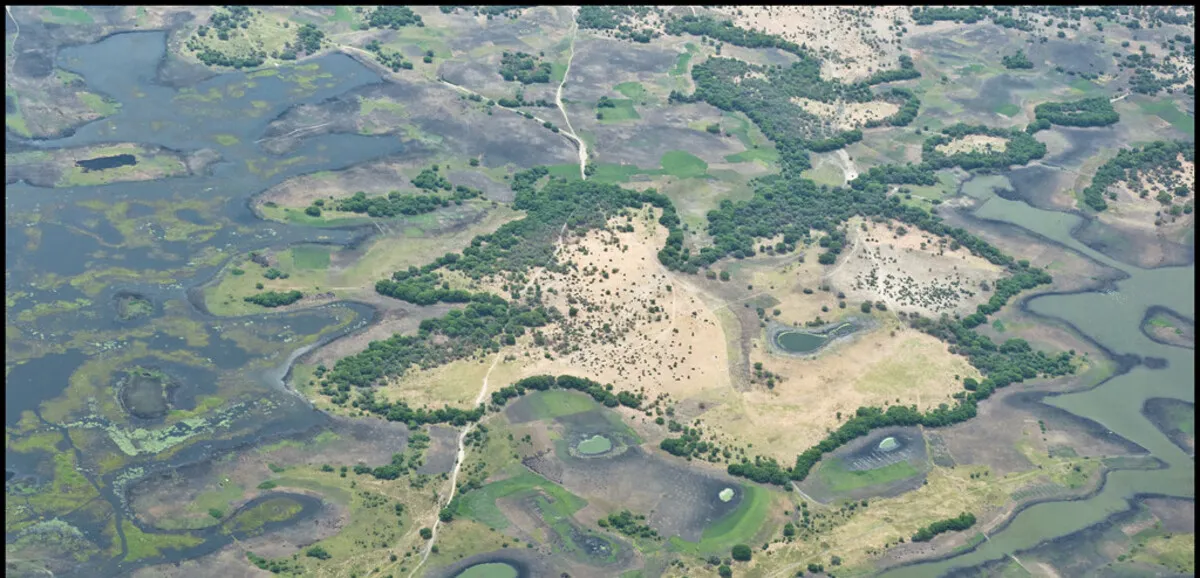
For over fifteen years, the Lake Chad basin has remained a critical hotspot for jihadist activity in Africa. This vast wetland, spanning Nigeria, Niger, Cameroon, and Chad, continues to serve as a refuge for Boko Haram and the Islamic State’s West Africa Province (ISWAP) fighters. Regional militaries conduct regular operations against these armed groups amid an enduring security crisis.