Chad – ONAPE: 200 youths integrated into green jobs in N’Djamena
The N’Djamena City Council and the National Office for Employment Promotion (ONAPE) have launched a program to train 200 young people in green professions, as part of a broader initiative to foster sustainable employment and ecological transition.
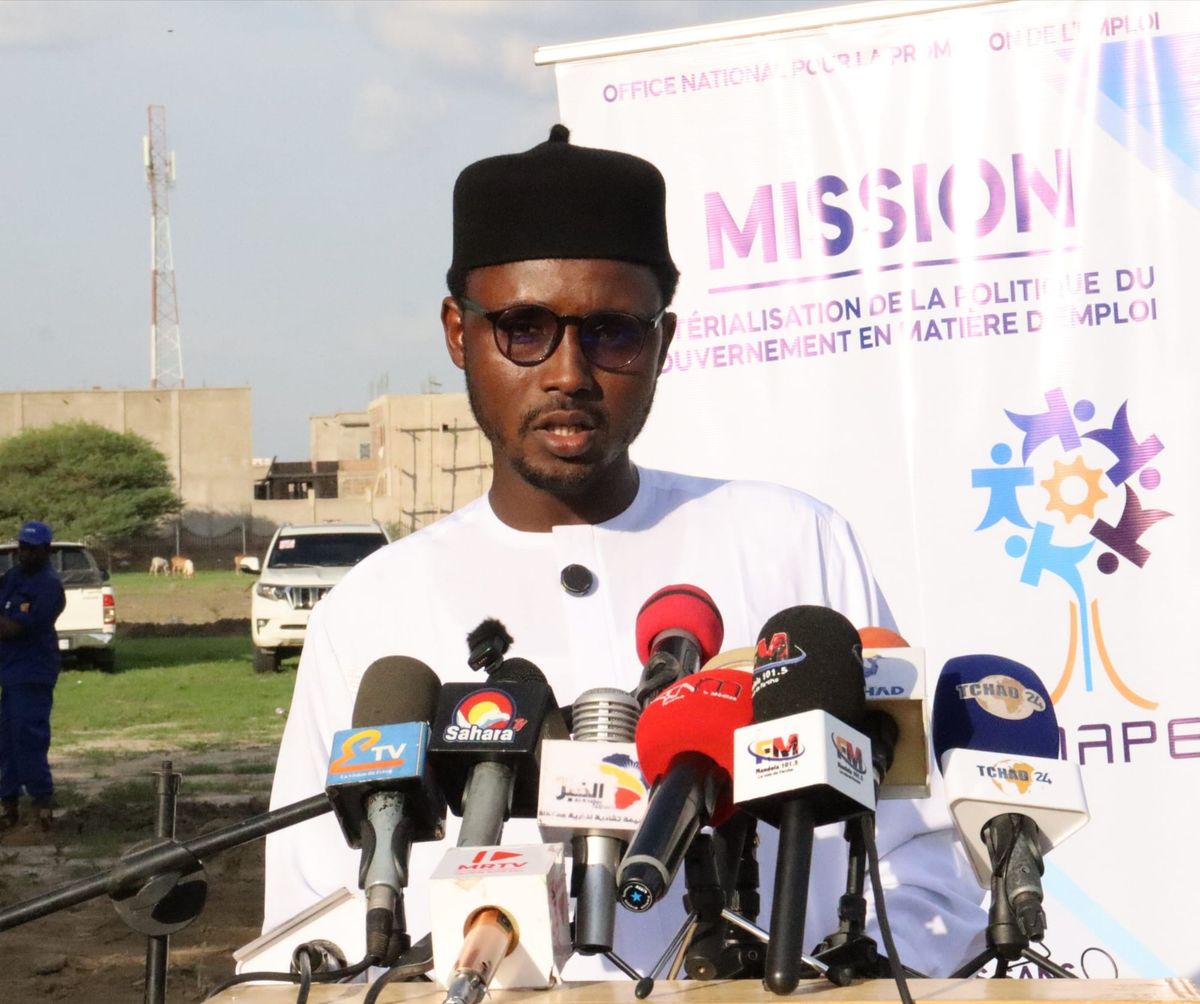
The initiative, spearheaded by the N’Djamena City Council in collaboration with the National Office for Employment Promotion (ONAPE), officially kicked off on Wednesday, July 15, 2026, at the Kuweïte space in Farcha, first arrondissement. The event marked the launch of a program designed to integrate 200 young people into green professions through the Youth Integration in Green Jobs Project (PROJEV).
Mahamat Alhafiz Idriss, Head of the Agricultural Credit Desk at ONAPE, highlighted the project’s core mission: equipping young people with the skills and resources needed to launch income-generating activities. Mayor of the first arrondissement, Djamal Moussa Yaya, emphasized the importance of institutional collaboration in addressing youth unemployment challenges.
Addressing youth employment through green jobs
Nassouradine Abakar Kessou, Director-General of ONAPE, underscored the pressing employment crisis in Chad, where youth unemployment and underemployment rates remain alarmingly high despite the country’s vast potential. He stressed that training and integrating young people into green jobs represent a vital strategy for fostering sustainable employment opportunities.
Local solutions for youth empowerment
Seid Adji Seid, Deputy Chief of Cabinet for the N’Djamena City Council, represented Mayor Sanoussi Hassana Abdoulaye during the launch. He outlined the MIDI initiative, structured around five pillars: civic values, practical skills training, entrepreneurial support, urban agriculture, and cultural industries. This initiative reflects the city’s commitment to providing tangible, ambitious solutions tailored to the aspirations of young people seeking meaningful livelihoods.
Addressing the beneficiaries, Seid Adji Seid remarked, “From this moment forward, you are no longer job seekers waiting for opportunities—you are now the champions of ecological transition in our capital city. The green jobs you are entering are not temporary measures but pathways that harmonize economic growth, environmental stewardship, and the well-being of our fellow citizens.”
Following their technical training, the 200 young participants will be allocated a ten-hectare plot where they will cultivate and manage their agricultural activities.