Spain demands urgent consultation with Morocco over Ceuta and Melilla tensions
The political storm in Madrid shows no sign of abating following the unprecedented surge of migrants toward Ceuta in the final hours of July 30, 2026. Morocco’s Minister of Justice, Abdellatif Ouahbi, has reignited a decades-old controversy by reaffirming Rabat’s stance on the status of Ceuta and Melilla—two Spanish enclaves on the North African coast that Morocco considers integral parts of its territory. His remarks, delivered during an interview with Asharq Bloomberg, have sent shockwaves through Spanish political circles and triggered sharp reactions from Madrid’s opposition.
By Anonymous
Updated August 14, 2026 | 2-minute read
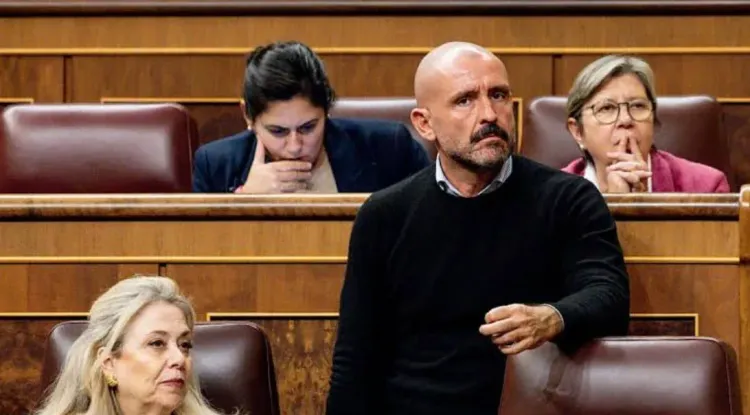
Jaime de los Santos
In a bold move, Spain’s opposition People’s Party (PP) has seized on Ouahbi’s words to demand that Prime Minister Pedro Sánchez’s government immediately summon Morocco’s ambassador for urgent consultations. Speaking during a visit to Barcelona, PP lawmaker Jaime de los Santos drew a direct comparison with Madrid’s swift response to Italy’s suspension of the Schengen Agreement, questioning why a similar firm stance had not been taken toward Morocco despite the massive migrant influx at Ceuta and the Moroccan minister’s comments on Spain’s sovereignty over the two enclaves.
The PP has escalated its pressure by filing written questions in Spain’s Congress of Deputies, demanding immediate clarification from Félix Bolaños, Minister of the Presidency and Justice, regarding all communications with his Moroccan counterpart since the migrant surge and the government’s response to Ouahbi’s remarks on the enclaves’ status.
The conservative party also raised concerns over what it describes as a potential Moroccan threat to suspend the bilateral extradition treaty—a critical tool, according to the PP, for managing the return of individuals who crossed the border fence. With the opposition turning this diplomatic episode into a political weapon and the Sánchez government resisting calls for a tougher line, the dispute shows no signs of resolution in the near future.