In a press conference held on June 2, former Senegalese Prime Minister Ousmane Sonko addressed the media to clarify why his party, the Pastef, declined an invitation to join the newly formed government under President Bassirou Diomaye Faye.
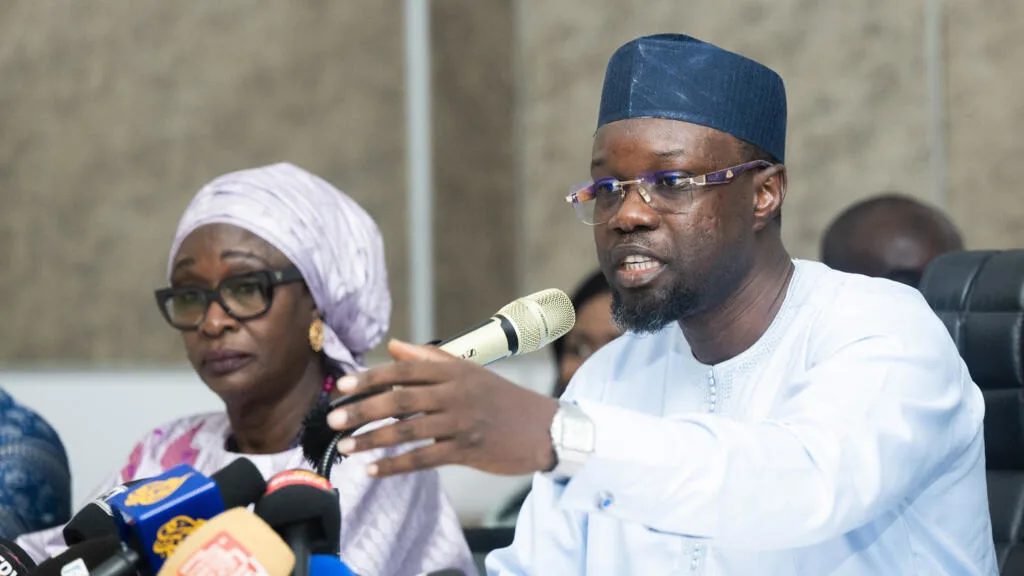
The decision stemmed from fundamental disagreements between the Pastef and the administration, particularly regarding policy priorities and ministerial allocations. Sonko emphasized that the party sought assurances on critical issues such as judicial independence, fiscal transparency, and renegotiation of key national contracts.
‘The president’s responses were vague and lacked concrete commitments,’ Sonko stated. ‘On debt restructuring, he admitted no formal agreements had been made with the IMF. Regarding purchasing power, he suggested price adjustments for subsidized goods as a best-case scenario. And on justice, he claimed Senegal boasts the world’s finest legal system—hardly reassuring.’
Sonko also criticized the government’s legitimacy, noting that only five ministers in the new lineup were former Pastef members—though even these selections were not endorsed by the party. He warned against retaliatory measures but remained firm on his position: ‘The Pastef will not participate in a government where it cannot secure at least half of the ministerial portfolios.’
consequences and cautious optimism
The standoff reflects deeper tensions over governance and reform. While Sonko ruled out an immediate no-confidence motion, the impasse underscores the challenges facing President Faye’s administration as it seeks to balance political alliances and public expectations.’