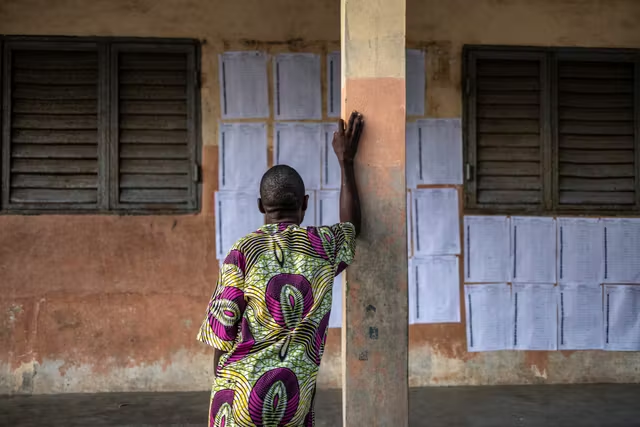
Presidential elections in African nations during 2025 followed a troubling pattern: opposition forces were systematically sidelined before campaigns even began. Recent polls in Djibouti and Bénin exemplified this trend, with incumbents securing landslide victories—97.8% and 94% respectively—leaving little room for genuine competition.
In Djibouti, aspiring opposition leader Alexis Mohamed withdrew from the race, citing both safety concerns and prohibitive nomination fees as insurmountable barriers. Analysts now describe such elections as “purely ceremonial,” devoid of real political contestation.
The price of democracy: when finances exclude challengers
Across the continent, candidates face staggering campaign costs that effectively bar all but the wealthiest contenders. From inflated registration fees to exorbitant advertising expenses, the financial hurdles have become a defining challenge for opposition movements. Bénin’s recent presidential vote, where Romuald Wadagni claimed victory under similar circumstances, underscores how monetary barriers can reshape electoral outcomes.
Observers warn that these practices risk eroding public trust in electoral systems, transforming once-competitive races into foregone conclusions. The phenomenon raises critical questions about the sustainability of democratic processes when financial exclusion becomes a tool of political control.