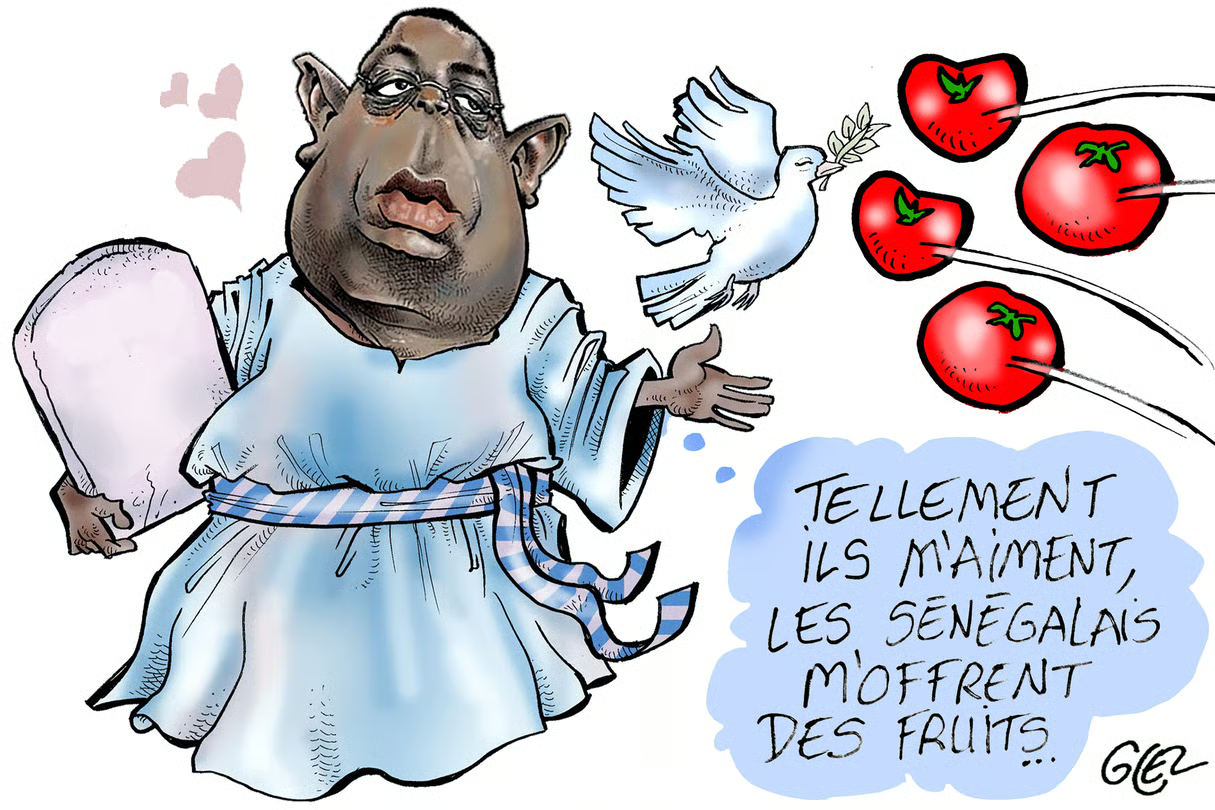
The political landscape in Senegal has been shaken by a wave of dissatisfaction following recent government actions. The decisions made by President Macky Sall and the swift rise of opposition figure Bassirou Diomaye Faye have sparked intense public debate and widespread protests across the country.
Public outcry over national policies
Citizens from all walks of life have taken to the streets to voice their disapproval, with many questioning the direction in which the nation is heading. The growing unrest reflects deep concerns over governance, economic stability, and social justice. Protesters have raised issues ranging from rising living costs to perceived government mismanagement, demanding greater accountability from leadership.
Political tensions escalate
The relationship between Macky Sall and Bassirou Diomaye Faye has become increasingly strained, with the latter positioning himself as a vocal critic of the administration. Faye’s growing influence has fueled speculation about the future of Senegal’s political scene, as his supporters rally behind his calls for reform and transparency.
The situation has drawn international attention, with global observers closely monitoring developments. The United Nations has issued statements urging calm and constructive dialogue to address the rising tensions.
Looking ahead: Challenges and expectations
As Senegal navigates this period of upheaval, the coming weeks will be critical in determining whether the government can regain public trust. The demands for change are clear, and the pressure on President Macky Sall to respond effectively has never been greater. Meanwhile, Bassirou Diomaye Faye continues to gain momentum, leaving many to wonder what the next chapter in Senegal’s political story will look like.