As Senegal’s parliamentary inquiry into land management grinds through its latest developments, the refusal of a presidential advisor to appear before the commission has ignited a political firestorm. The move underscores a growing rift between the executive branch and the legislature, with far-reaching implications for the country’s institutional balance.
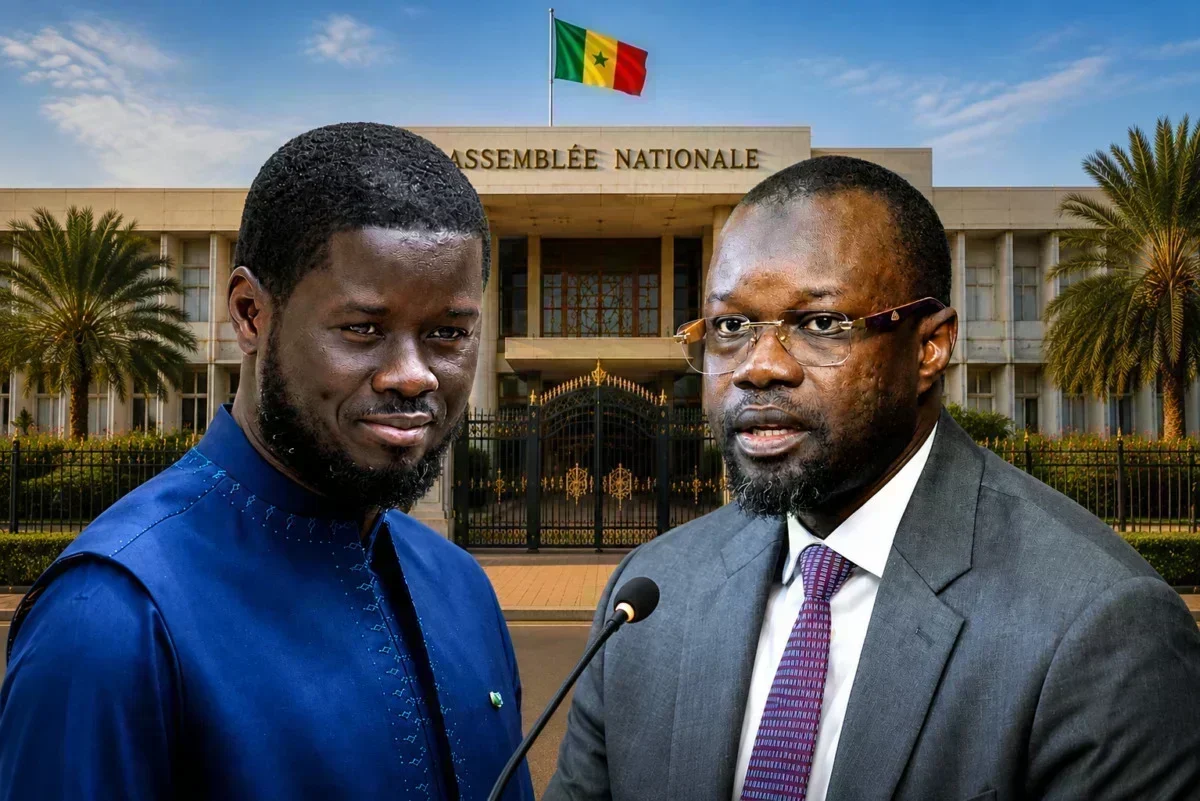
Running interference: behind the scenes of the presidential advisor’s refusal
The controversial decision by former Land Registry Director and presidential advisor Demba Dieng to ignore a parliamentary summons has thrust the inquiry into land management irregularities into the spotlight. While Dieng’s refusal to appear differs from the stance of two former DSCOS colonels who cited military protocol, it raises critical questions about the executive’s relationship with the legislature.
Political insiders suggest that when a presidential advisor is summoned, official authorization may be required before compliance. This interpretation, though widely discussed, remains unconfirmed by the presidency. The absence of any official response from the executive has only intensified speculation, leaving analysts to wonder whether Dieng’s move was sanctioned or a personal choice.
If this refusal was part of a coordinated strategy, it could signal a broader pattern of resistance within the president’s inner circle—potentially including ministers who may have also declined to participate in the inquiry.
Echoes of defiance: how many in the president’s orbit have chosen silence?
Former Higher Education Minister Daouda Ngom’s public commitment to answering the commission’s summons adds another layer to the unfolding drama. Ngom further alleges that six current or former ministers have joined the ranks of those ignoring parliamentary requests. While these claims remain unverified, they point to a deepening divide between the executive and the legislature.
The commission’s silence on the identities of those who have refused to comply leaves a vacuum of uncertainty. Officials stress that each summoned individual is presumed innocent until proven otherwise, but the refusal to appear complicates the inquiry’s ability to uncover the truth. With the commission vowing to continue its work within the bounds of its mandate, the coming days will be pivotal in determining whether the trend of non-compliance spreads—and how the Assembly will respond.
What’s next for Senegal’s political landscape
The parliamentary probe into land management irregularities was always destined to stir controversy, but the advisor’s refusal has transformed it into a test of institutional resilience. As the commission weighs its next steps, the broader implications for Senegal’s political stability loom large. Will the Assembly tighten its scrutiny, or will the executive’s defiance set a new precedent for future inquiries?
The answers to these questions may well define the balance of power in Senegal for years to come.