In a recent development that has sparked intense debate across Senegal, prominent journalist Aïssatou Diop Fall, director of the Public SN television channel, has been summoned by the Division spéciale de cybersécurité (Special Cybersecurity Division) of the national police force.
This unprecedented legal action follows a formal self-referral by the Prosecutor of the High Court of Dakar, who ordered the investigation into Diop Fall’s public statements that called for the abduction of opposition leader Ousmane Sonko.
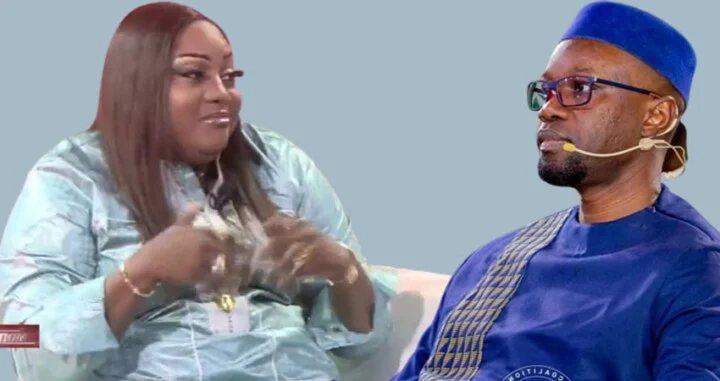
Diop Fall is expected to appear before cybercrime investigators on Monday to address statements she made during a broadcast that have since gone viral. The remarks, which suggested that Sonko should be forcibly taken by armed groups, triggered immediate outrage on social media and in public discourse.
Public apology and legal consequences
Following the backlash, the journalist released a statement via video, expressing deep regret for her words and acknowledging the gravity of her comments. Despite these efforts to clarify her position, the Prosecutor’s decision to pursue formal charges remains unchanged.
The legal move signals a tightening stance on online expression, particularly when statements are perceived as inciting violence or threatening national stability. The Special Cybersecurity Division is tasked with investigating digital offenses and ensuring compliance with national security protocols.
What sparked the controversy?
The initial controversy erupted when Diop Fall, in a televised appearance, articulated a wish for Sonko’s abduction. Such a statement not only violated journalistic ethics but also raised serious legal concerns under Senegalese law regarding hate speech and incitement to violence.
While Diop Fall has since retracted her remarks and sought to mitigate the fallout, the Prosecutor’s intervention underscores the government’s commitment to holding public figures accountable for their digital communications.
The outcome of her hearing could have broader implications for media freedom and digital speech in Senegal, as authorities continue to navigate the balance between free expression and public order.