Dakar 2026: Sénégal’s high-stakes preparation for the first youth olympic games in africa
With fewer than six months remaining until the opening of the Youth Olympic Games (YOG) in Dakar, the Sénégalais capital is buzzing with intense preparation. Scheduled for October 31 to November 13, 2026, this historic event will mark the first Olympic competition ever held on African soil. Originally planned for 2022, the games were postponed due to the COVID-19 pandemic, adding pressure to an already ambitious project.
The stakes are immense for the Sénégal, both in terms of national pride and international visibility. The country is determined to demonstrate its ability to organize a world-class sporting event, while also leveraging the opportunity to boost its sports industry and youth development programs. Ahmadou al-Aminou Lo, Minister of State overseeing the national transformation agenda Sénégal 2050, is at the forefront of these efforts, leading a vigilance committee that meets bi-monthly to oversee progress.
2,700 young athletes, 25 sports, and a legacy vision
The 4th Summer Youth Olympic Games will welcome 2,700 international athletes aged 17 or younger. The event features 25 competitive sports, including basketball 3×3, baseball, breaking, and skateboarding, alongside 10 demonstration sports. The competition will span 153 events, with a balanced representation of male, female, and mixed competitions.
The Sénégal’s ambitions extend beyond the games themselves. Authorities are focused on creating a lasting legacy for the country’s youth, with plans to develop sports excellence centers, promote high-level competition, and grow the sports economy. The Sénégal 2050 agenda aims to double the sports sector’s contribution to the GDP, currently standing at 15 million euros, through initiatives like the MICE industry (Meetings, Incentives, Conferences, and Exhibitions).
international partnerships and knowledge transfer
Lo emphasized the importance of these games for Africa’s image: « It’s not just about the Sénégal; it’s about the entire continent. We need to prove that Africa can host world-class events. »
To ensure success, the Sénégal has forged strong partnerships with France. The Alliance Dioko, a 2019 agreement between the French and Sénégalais Olympic committees, facilitates the exchange of expertise and best practices. This collaboration includes sharing volunteers’ recruitment strategies, competition security protocols, and equipment management. Notably, 30 experts from the Paris 2024 organizing committee have been integrated into the Dakar 2026 team, and 419 young people have undergone training in the Learning Academy program, which focuses on event organization and infrastructure management.
France has also provided significant financial support, including an 80 million euro sovereign loan from the French Development Agency (AFD) for renovating key venues like the Stade Iba-Mar-Diop and the Tour de l’Œuf complex, which houses the new Olympic pool. Additionally, 233,000 euros over two years has been allocated to support the judo academy at the Lycée Lamine Gueye in Dakar, covering renovations and the sports and medical care of young judokas.
infrastructure upgrades and sustainability goals
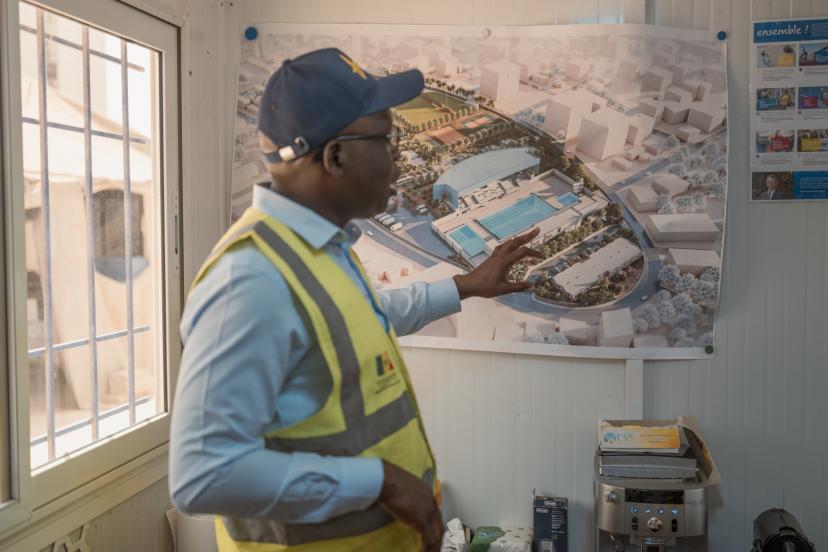
The Tour de l’Œuf complex, located in the Point E district, is undergoing a major overhaul. The site will host aquatic events, basketball 3×3, baseball, breaking, and skateboarding competitions. Over 450 workers are mobilized to complete the upgrades, including the construction of a new Olympic pool equipped with water and energy-saving technologies. A first full test filling of the three pools is scheduled for May 15, with the complex set to be handed over to the organizing committee on August 15—two and a half months before the games begin.
The authorities have also prioritized cleanliness and waste management. Lo declared, « Our first medal will be for cleanliness. We’ve implemented a battle plan to match Kigali’s achievements. » The Rwandan capital was ranked as the cleanest city in Africa in 2025 by Jeune Afrique magazine, while Dakar currently sits in 17th place.
a model for future africa
Beyond the games, the infrastructure built for the YOG will serve the local community long after the event. Post-competition, the complex will include football, basketball, handball, and tennis courts. The goal is to create a sustainable legacy that fosters sports participation and economic growth.
Lo concluded, « We want these games to be a catalyst for change. By investing in youth sports development, we’re shaping the future of the Sénégal and Africa. »
The world will be watching as Dakar prepares to make history. With determination, international collaboration, and a clear vision for the future, the Sénégal is poised to deliver an unforgettable event.