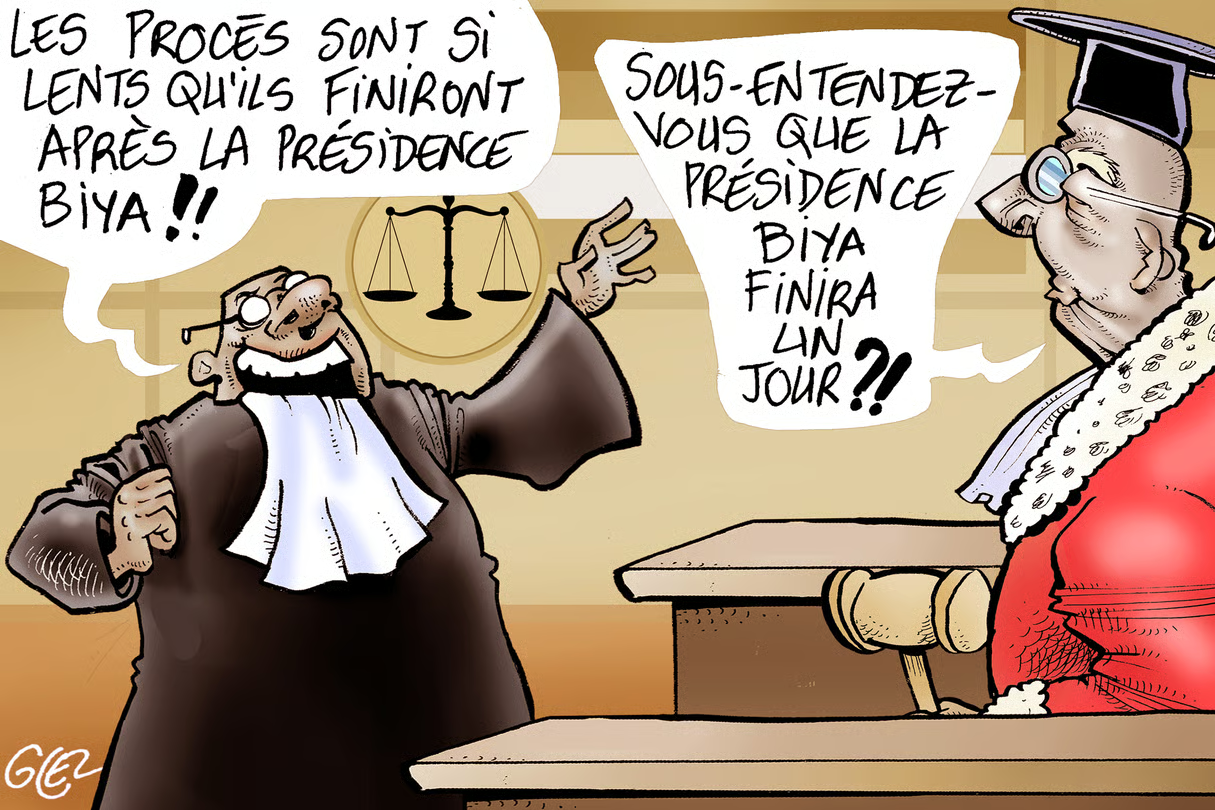
Months after Cameroon’s 2025 presidential election, courtrooms remain filled with defendants linked to the post-election unrest. These prolonged legal battles have become a defining feature of the country’s judicial landscape, raising concerns about delays, fairness, and the humanitarian toll on those awaiting resolution.
Why post-election trials in Cameroon face endless delays
The sheer volume of cases stemming from the 2025 election has overwhelmed the justice system. Judges, prosecutors, and defense attorneys are navigating an unprecedented caseload, compounded by logistical hurdles and procedural complexities. Many hearings are postponed due to administrative bottlenecks, insufficient court infrastructure, or unforeseen legal challenges.
Impact on detainees and families
For those held in custody, the prolonged uncertainty is taking a severe toll. Detainees and their families endure emotional strain, financial hardship, and prolonged separation. Access to legal representation is often limited, particularly for individuals in remote regions, deepening inequalities within the judicial process.
Voices from behind bars
“Every adjournment feels like another year stolen from us,” shared one detainee’s relative during a recent visit. The emotional and psychological burden on families cannot be overstated, as they grapple with legal limbo while attempting to maintain stability in their lives.
Efforts to expedite justice
In response to mounting criticism, judicial authorities have pledged to streamline proceedings. Specialized courts have been established to handle election-related cases, and additional resources have been allocated to expedite investigations. Yet, tangible progress remains slow, with critics arguing that systemic inefficiencies persist.
As Cameroon continues to navigate the fallout from its 2025 election, the plight of post-election detainees remains a pressing issue. Their prolonged trials underscore the fragile balance between justice and efficiency in the country’s evolving legal framework.