Cameroon holds its breath as silence over president’s whereabouts is broken
For 56 days, the nation watched and waited. Rumors swirled, while the halls of power remained eerily quiet. Then, on a Sunday morning, the government finally spoke: President Paul Biya is alive, and his return is just around the corner.
From brief trip to prolonged absence: what happened?
It all began on June 7, 2026, when President Biya left Yaoundé with his wife for what was described as a private stay in Europe. What should have been a matter of days stretched into weeks, then months. Official activity at the presidency was limited to routine military decrees and a few diplomatic telegrams—hardly the mark of a leader in full control.
The void left by his absence was quickly filled with speculation. Where was he? Was he well? And most pressing—when would he come back? The government’s delayed response only deepened the unease.
The man behind the myth: 43 years in power
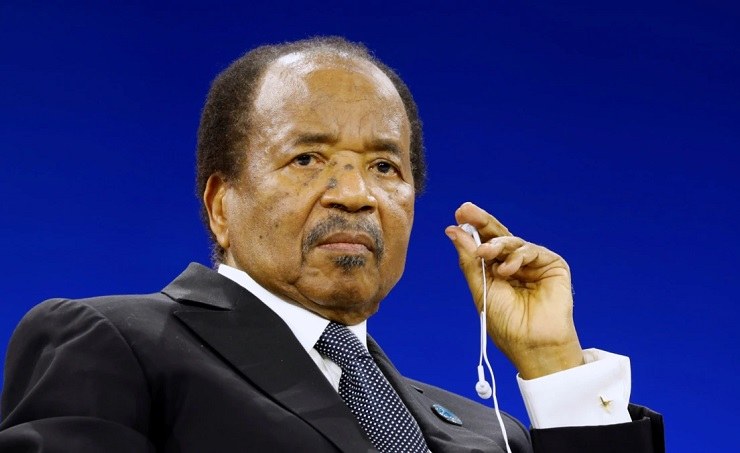
At 93 years old, Paul Biya is not just Cameroon’s president—he is a living institution. Having led the country since 1982, he has outlasted every other sitting head of state in the world. To some, he represents stability; to others, an era that refuses to end. His prolonged absence has raised fresh questions about governance, transparency, and what comes next.
A government under scrutiny
The official silence during his absence spoke volumes. While state media remained conspicuously quiet, opposition figures grew louder. Jean-Michel Nintcheu, a prominent opposition deputy, went so far as to demand the Constitutional Council declare a power vacuum—a bold move in a system where the presidency is all but absolute.
The opposition party UDC argued that a republic cannot be built on silence and supposition. They pointed to a glaring gap: the absence of a vice president since the 2026 constitutional revision. Without a clear line of succession, every delay in his return fuels doubt.
Government breaks silence: “The president is alive”
On August 2, 2026, Communications Minister René Emmanuel Sadi took the podium. His words were deliberate, his tone firm. “There is no power vacuum,” he declared. “President Biya is alive. President Biya has not resigned.”
But when pressed for specifics—where is he? When is he returning?—the answers were vague. “He will be back very soon,” Sadi promised, deflecting further questions. The lack of a precise date or location did little to dispel the growing sense of unease.
Constitution under the microscope
The legal debate has only intensified. While opposition figures insist that an absence exceeding 45 days should trigger constitutional review, the Cameroon Constitution offers no clear guidance on how long a president may stay abroad without raising questions. The government has exploited this ambiguity, while critics call it a dangerous loophole.
The UDC has urged a national conversation on institutional reforms to regulate prolonged presidential absences—an appeal that, while framed in transparency, also hints at the inevitable: what happens when Africa’s oldest leader can no longer lead?
Public reaction: relief mixed with skepticism
On social media, Cameroonians have been vocal. Some expressed relief at the government’s rare admission. Others questioned the timing: why wait 56 days to confirm what many already assumed?
“Fifty days is too long,” read a headline in a leading Douala newspaper. “A country paralyzed. A government adrift. And a people left in the dark—waiting for a leader who seems to answer to no one.”
Unanswered questions linger
Despite the government’s announcement, key details remain unclear:
- Where is President Biya? Unconfirmed reports suggest he may be in Switzerland, but no official confirmation exists.
- What is the purpose of his stay? Described as private, yet the duration raises new doubts about transparency.
- When will he return? “Very soon,” the minister said. A promise, not a plan.
- What about his health? The government confirms he is alive. That is all.
The road ahead: governance in the age of Biya
Even with the president’s impending return, the episode has exposed deep vulnerabilities in Cameroon’s system. A leader who has ruled for over four decades cannot remain a permanent fixture. Yet, with no clear successor and no framework for transition, the country remains suspended in uncertainty.
The UDC has called for a national dialogue on institutional preparedness. The government, however, appears content to let time—and the president’s eventual return—answer the questions.
For now, Cameroon waits. And watches. And wonders: will the Lion of Africa return to roar once more?