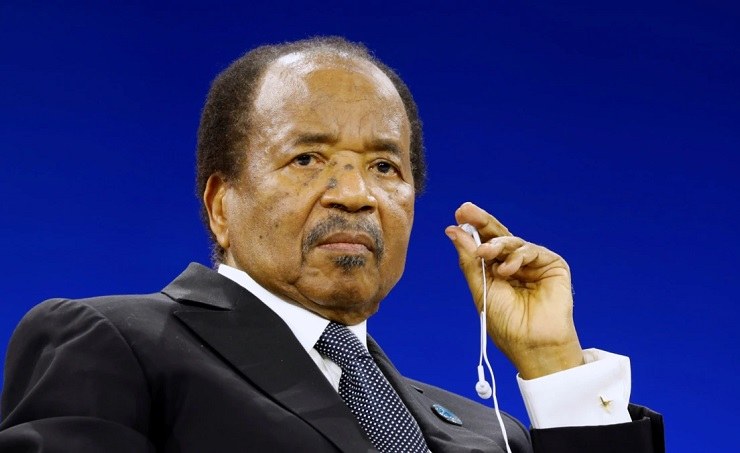
In a move to clarify ongoing speculation, Cameroon’s government spokesman René Emmanuel Sadi has confirmed the imminent return of President Paul Biya to the country. Speaking on August 2, he dismissed concerns about power vacuums and reassured the public that the 93-year-old leader remains in full control of the state.
Biya, born on February 13, 1933, has been absent from Cameroon for nearly two months—a prolonged absence that has sparked intense debate. Opposition figures argue that the lack of transparency regarding his health raises serious questions about institutional stability and the continuity of governance.
Opposition demands transparency and legal clarity
Prominent opposition leaders, including Jean-Michel Nintcheu of the Democratic Union of Cameroon (UDC), have called for greater openness about the president’s condition. They argue that prolonged silence and unconfirmed reports create uncertainty and undermine trust in state institutions.
Nintcheu has urged the Constitutional Council to formally recognize a potential power vacuum, stressing that the country’s stability cannot rely on speculation. Other opposition voices have described the situation as a “constitutional void”, warning against governance by remote control while insisting that formal procedures must be followed.
Constitutional provisions in case of presidential vacancy
Under Article 6, paragraph 4 of Cameroon’s Constitution, if a presidential vacancy occurs due to death, resignation, or permanent incapacity—as confirmed by the Constitutional Council—a new election must be organized within 20 to 120 days from the date the vacancy is declared.
During this interim period, the Senate President assumes presidential duties. Currently, this role is held by Aboubakary Abdoulaye, aged 64, with Naomie Mikel Bégala Akono, 63, serving as first vice president in the line of succession. However, the interim president is constitutionally barred from altering the Constitution, reshuffling the government, calling a referendum, or running in the subsequent election.