Ousmane Sonko elected President of Senegal’s National Assembly as new Prime Minister takes office
Five days after his removal from the Prime Minister’s position, Ousmane Sonko has been elected President of Senegal’s National Assembly. Meanwhile, President Bassirou Diomaye Faye has appointed a new head of government. Political analyst and Wathi research director Babacar Ndiaye shared insights on this political transition.
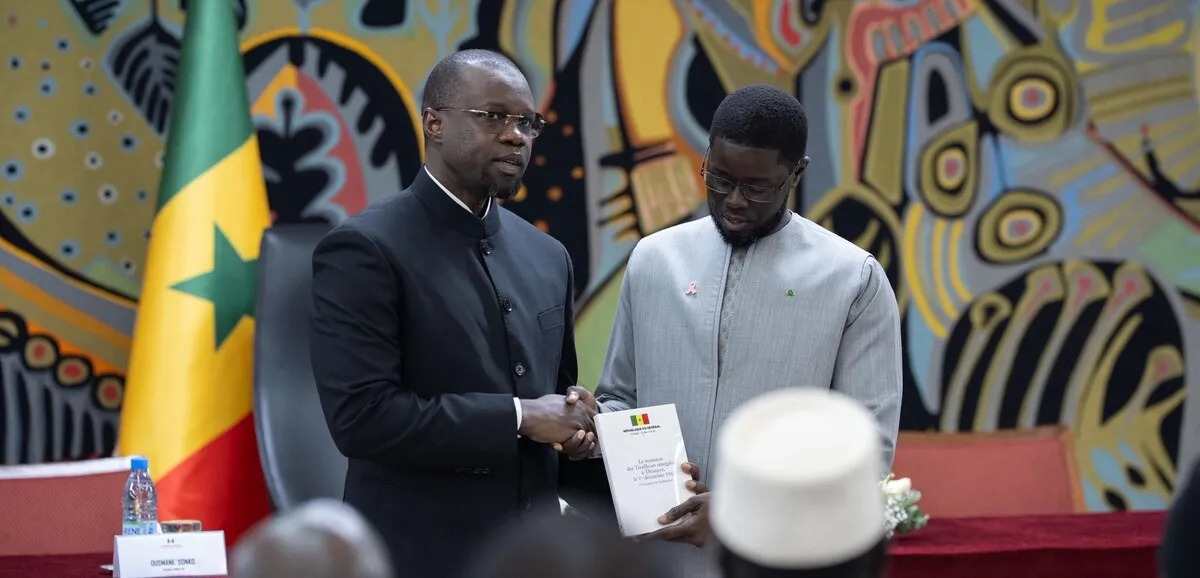
From ousted premier to assembly leader: Sonko’s political comeback
The question of whether Ousmane Sonko’s reinstatement as a deputy and subsequent election as National Assembly President followed proper parliamentary procedures has sparked debate. After leading the victorious 2024 legislative list but opting to remain Prime Minister at the time, his return to the Assembly after dismissal raises constitutional questions that legal experts continue to examine.
Amadou Al-Aminou Lo: the technical economist leading Senegal’s new government
The newly appointed Prime Minister brings a wealth of technical expertise to the role. A former central banker with extensive financial market experience, his selection reflects the administration’s focus on economic stability. Sonko himself confirmed having previously recommended Lo for the position of government secretary-general, highlighting their collaborative history.
In a challenging economic climate, both domestically and internationally, the choice of a technocrat rather than a political figure suggests a strategy to prioritize monetary policy expertise and financial governance. Lo’s ability to work with both President Faye and Sonko may prove valuable for potential policy coordination.
Sonko’s message of dialogue and national priorities
While acknowledging the President’s constitutional prerogative in appointing the Prime Minister, Sonko expressed his preference for consultation as leader of Senegal’s majority party in the Assembly. His speech emphasized the importance of collaboration moving forward, particularly regarding the implementation of the PASTEF party’s political program.
The economic challenges facing Senegal, including accountability and justice reforms, remain central to the government’s agenda. Sonko stressed that the core issues are principle-based rather than personnel-related, though he noted that some PASTEF-affiliated ministers from his previous government may continue in their roles.
His remarks underscored the need to honor commitments made to the Senegalese people and maintain the party’s successful 2024 electoral platform as the foundation for public policy under the new administration.