Niger faces a massive surge in measles cases
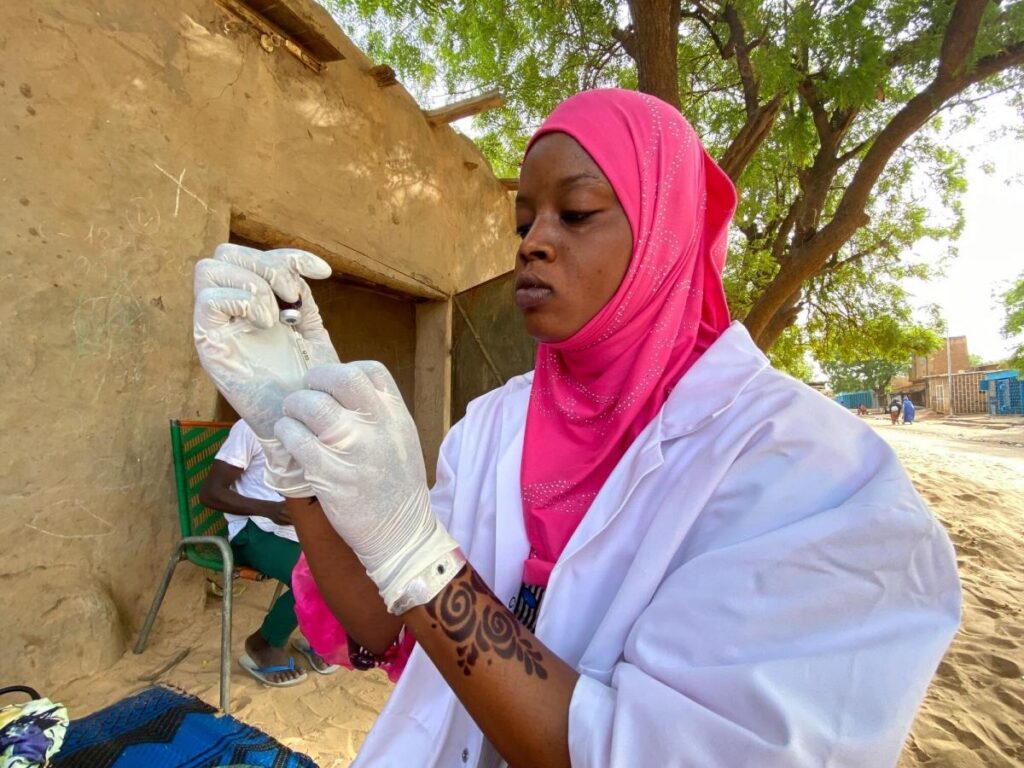
Dr. François Rubona, the medical coordinator for Médecins Sans Frontières in Niger, provides an overview of the current health crisis. Since February, MSF teams have been deploying vaccination campaigns across various regions to combat an unusually early spike in measles outbreaks.
What is the current status of the measles epidemic in Niger?
This year has seen a dramatic escalation in measles infections compared to the same period last year. Statistics from the Ministry of Public Health in Niger indicate that 3,213 cases were documented in the first quarter of 2021, nearly tripling the 1,081 cases seen in early 2020. By April, the total number of suspected cases had climbed past 6,000. This outbreak has already claimed 15 lives, with 27 of the country’s 73 health districts officially in an epidemic state. The regions of Agadez, Dosso, and Tahoua are currently the most severely impacted.
Measles is recognized as the most transmissible viral disease on the planet and remains a major cause of death among young children. To effectively halt its spread, the World Health Organization (WHO) advises a vaccination coverage rate of 95%. However, many health facilities in Niger are reporting coverage levels below 50%. In areas such as Diffa, Tillabéry, and Tahoua, worsening security conditions have forced populations to flee, severely restricting access to primary healthcare and contributing to these low rates. Furthermore, the Covid-19 pandemic has introduced additional logistical hurdles for both routine and emergency immunization efforts.
What obstacles are MSF teams encountering?
When the initial Covid-19 cases appeared in Niger in March 2020, widespread anxiety regarding the new virus likely deterred families from visiting health centers. Consequently, fewer mothers sought routine vaccinations for their children.
The pandemic also strained medical personnel, as many health workers were sidelined by infections or quarantine requirements, leading to staffing shortages. Resources were largely redirected toward the pandemic response, often at the expense of preventive care. Additionally, global restrictions and border closures made importing medical supplies difficult. To address this, we have successfully delivered nearly 700,000 vaccine doses to Niger this year to manage the outbreak and maintain emergency reserves.
We have also noted a decline in vaccination participation recently due to public confusion between the measles vaccine and the Covid-19 shot. In places like Niamey and Tillabéry, some communities have shown resistance. In response, we have intensified our community engagement and awareness programs. Our goal is to educate families about the severity of measles and the vital importance of vaccination to protect children and break the chain of transmission.
What are the health projections for the coming months?
The situation in Niger remains precarious, reflecting a broader decline in routine immunization coverage. This trend is also evident in the rise of meningitis, which has seen over 1,100 cases. Without consistent routine and catch-up vaccination programs, the repercussions of this gap will likely be felt for years to come.
As we approach the seasonal peaks for malaria and malnutrition, we are monitoring the data closely. Last year’s malaria season was exceptionally severe and lasted longer than expected, only subsiding in January 2021.
Combined with alarming forecasts regarding food security and malnutrition, we must remain extremely vigilant. This includes focusing on regions like Maradi and Zinder, which may receive less attention from international donors because they are situated further from the primary zones of armed conflict.