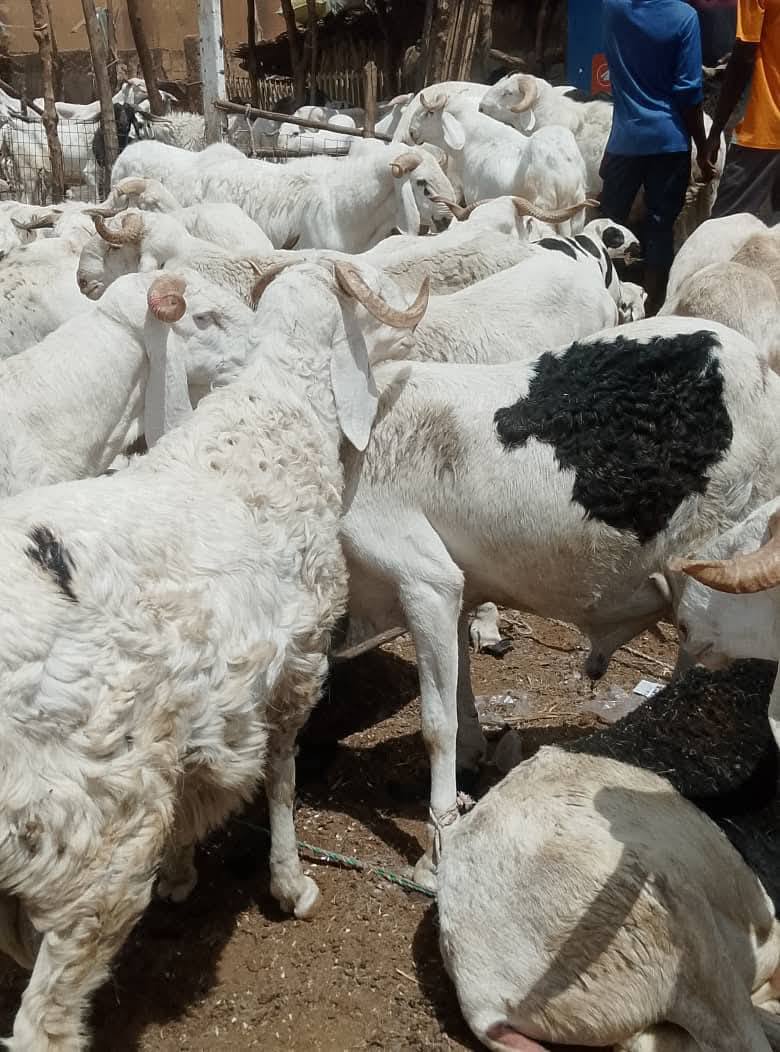
The streets of Niamey are teeming with livestock this week as trucks packed with sheep continue to pour into the city from every corner of Niger. A sea of wool and horns fills the markets, yet the joyous anticipation of Tabaski is overshadowed by a harsh economic reality: prices have skyrocketed, leaving families scrambling to meet the cost of this sacred celebration.
This year’s Tabaski in Niamey presents a stark paradox—while supply has never been more abundant, demand and speculation have driven prices to unaffordable heights. Last year’s relative relief for buyers has given way to a familiar yet painful pattern, turning what should be a time of generosity into a financial ordeal for many households.
Surge in sheep prices: from essential to luxury
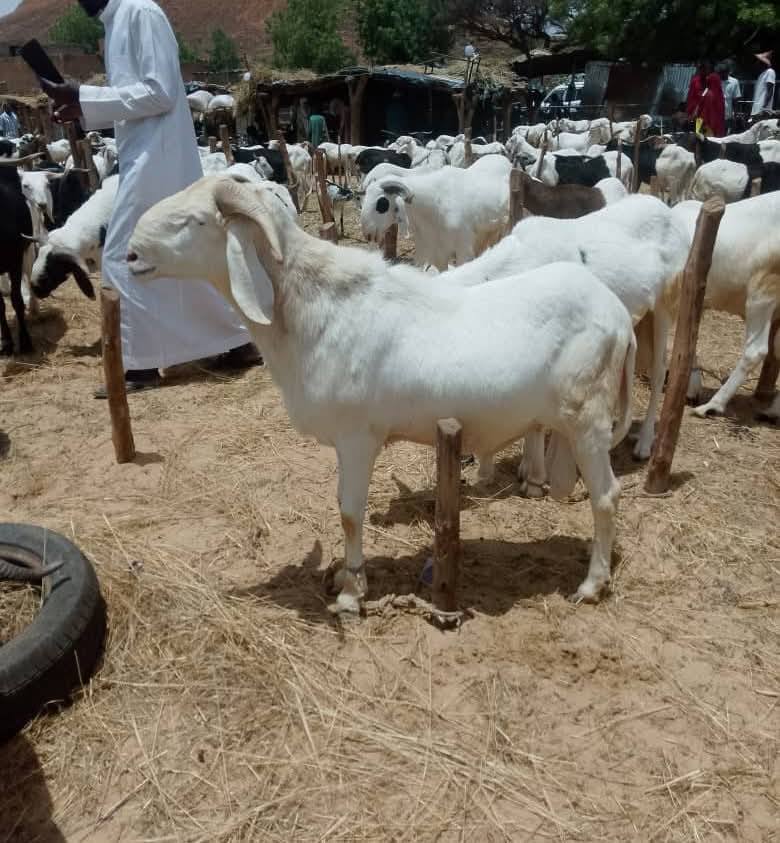
The market rates this year reflect a dramatic shift, with prices for sheep now ranging from 85,000 to 450,000 FCFA depending on the animal’s quality and size. The pricing structure has become a clear indicator of how inflation is reshaping traditions:
- Budget category (80,000 – 100,000 FCFA): Young lambs or smaller sheep suitable only for those with the tightest budgets. A bare minimum, but even this is a stretch for many.
- Mid-range (120,000 – 200,000 FCFA): The most sought-after segment, targeting middle-class families willing to make significant financial concessions to uphold the holiday’s customs.
- Premium tier (250,000 – 450,000 FCFA): Large, prized rams that have become a distant dream for the average Nigerien family.
Even spices feel the inflation pinch
The rising cost of essential ingredients is adding insult to injury. Dry chili, a staple in Tabaski meals, has seen its price climb by 50% in a single week. A 100 kg bag that cost 20,000 FCFA last week now sells for 30,000 FCFA, while individual portions of 800 grams retail at 1,000 FCFA each.
Households caught in the squeeze
« There are sheep everywhere, but no one can afford them, » laments one frustrated buyer outside a bustling roadside market. This sentiment captures the mood across Niamey as the Tabaski holiday approaches. Despite the visible abundance of livestock, rampant speculation and last-minute buying frenzy have pushed prices beyond reach for countless families.
As the country braces for its most important Muslim celebration, the gap between supply and affordability has never been wider. For many Nigerien households, Tabaski 2026 may well be remembered as the year of difficult choices, where the spirit of giving collides with the harsh realities of a stretched budget.