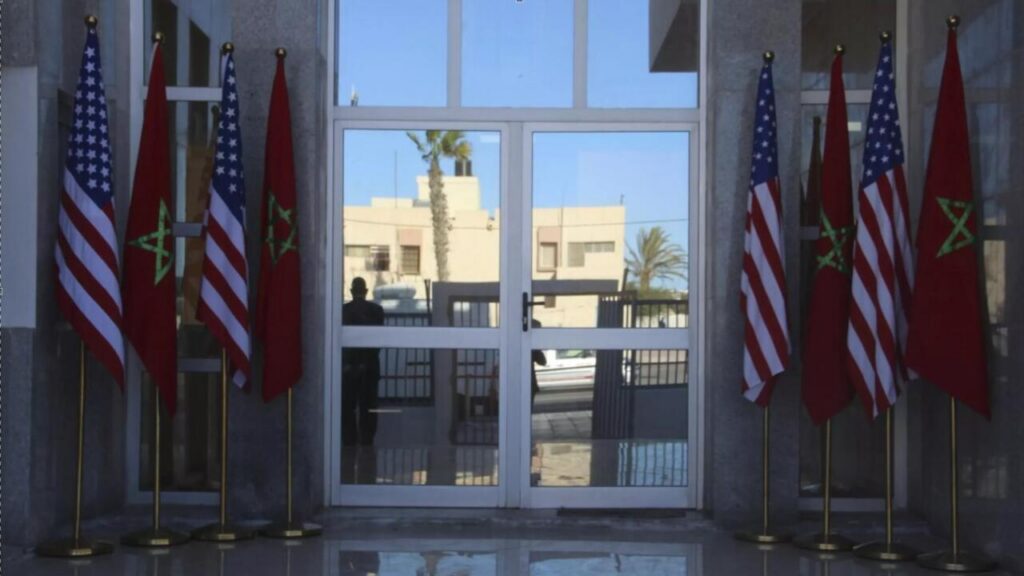
Morocco eyes stronger US backing in Western Sahara dispute
As July drew to a close, the United States intensified its economic and diplomatic overtures toward Morocco, signaling potential shifts in regional alliances. The move comes on the heels of Washington’s 2020 endorsement of Morocco’s autonomy plan for Western Sahara, a decision tied to the country’s normalization of ties with Israel. Now, fresh reports indicate that the US may also lend support to Morocco’s claims over the Spanish enclaves of Ceuta and Melilla, as pressure mounts on Madrid following the arrival of tens of thousands of Moroccan nationals and sub-Saharan migrants.
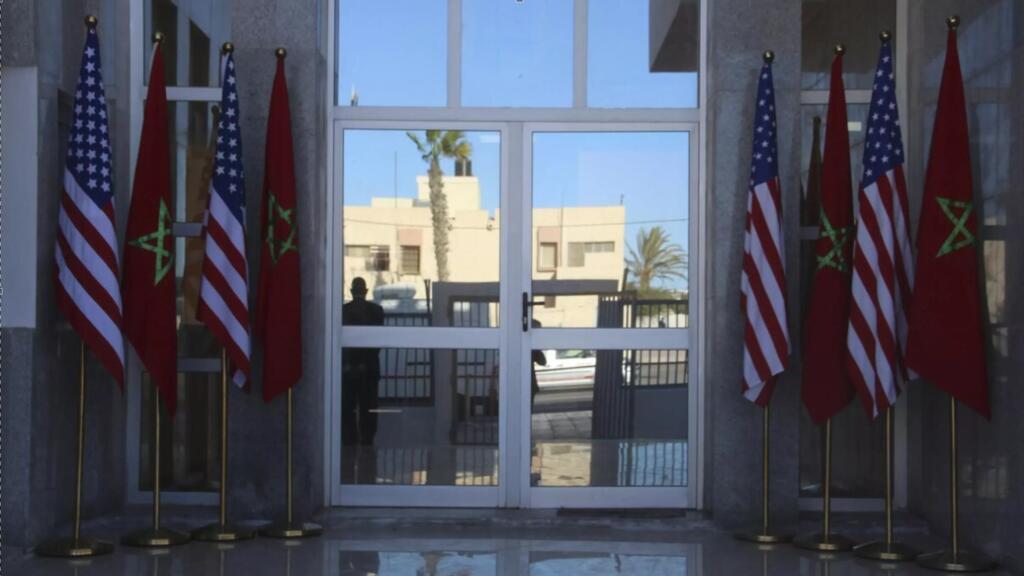
Washington’s evolving stance on Western Sahara
The Trump administration’s recent signals of support for Morocco’s positions in Western Sahara reflect a broader recalibration of US foreign policy in North Africa. Analysts note that this shift could reshape the geopolitical landscape, particularly as Morocco seeks to consolidate its strategic partnerships. The 2020 decision to back Rabat’s autonomy proposal for Western Sahara was a landmark move, but the latest developments suggest an even deeper alignment.
Morocco’s confidence in securing US backing appears to be at an all-time high, driven by Washington’s growing economic and military cooperation with Rabat. This momentum is further amplified by the recent influx of Moroccan and sub-Saharan migrants into Ceuta, a Spanish enclave that has become a focal point of regional tensions.
Ceuta and Melilla: A new front in Morocco-Spain relations
The escalating situation in Ceuta has intensified diplomatic friction between Morocco and Spain. With thousands of Moroccan nationals crossing the border in recent weeks, Madrid faces mounting pressure to address the crisis. Morocco’s claims over Ceuta and Melilla, bolstered by Washington’s apparent willingness to engage, add a new layer of complexity to the dispute.
Analysts warn that the evolving US-Morocco relationship could further strain Spain’s position, particularly if Washington formally endorses Morocco’s territorial ambitions. For now, the geopolitical chessboard in North Africa is being reshaped, with Morocco positioning itself as a key player in the region’s future.