media freedom under pressure in Mali as power becomes increasingly centralized
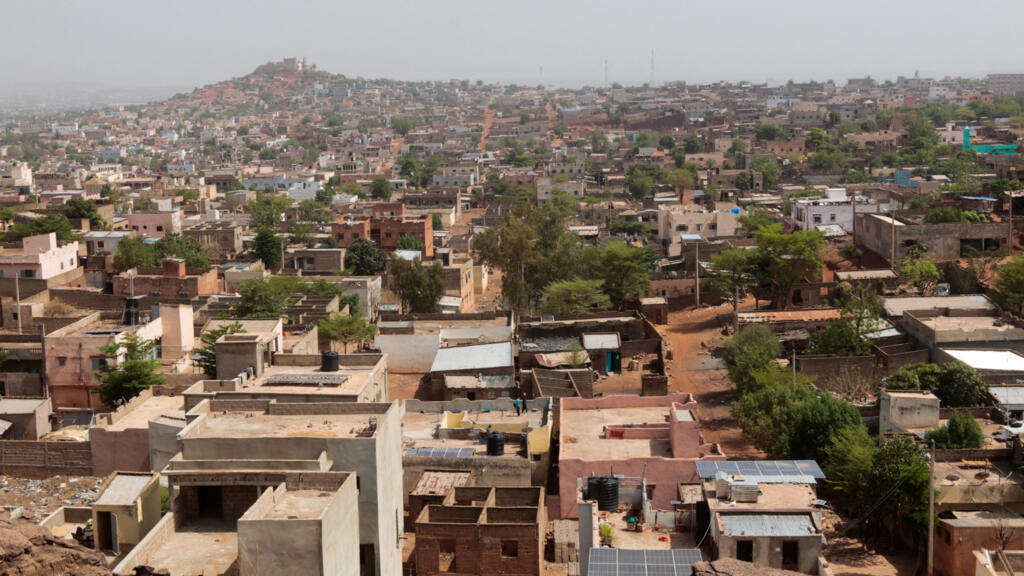
Conflict zones rarely make headlines for positive reasons, and the Mali is no exception. Despite ongoing instability, access to independent media in the country has become severely restricted, with authorities imposing strict controls over information flows. This de facto censorship has intensified in recent months, particularly following large-scale attacks on military bases on April 25 that left the nation reeling.
While the international community focuses on the security crisis in the Sahel, the Malian government has systematically targeted francophone media outlets, suspending broadcasts under accusations of spreading “disinformation.” This move mirrors similar actions taken by authorities in neighboring Niger and Burkina Faso, signaling a troubling regional trend toward media suppression and narrative control.
journalists face growing threats in the Sahel
Independent observers warn that the situation in the Sahel is deteriorating rapidly. According to human rights defenders, the region is experiencing a systematic crackdown on press freedom, with journalists facing intimidation, harassment, and even imprisonment for challenging official narratives. The atmosphere of repression has created what one expert describes as a “gulag of information”, where citizens are effectively cut off from diverse perspectives and forced into a state of enforced conformity.
“We are constantly monitored,” explains a regional researcher. “In Burkina Faso, Mali, and Niger, journalists live under the constant threat of arrest or violence. This has led to a dangerous climate of self-censorship, where people dare not question authority for fear of retaliation.”
criticizing Moscow carries heavy consequences in Bamako
In Bamako, dissent is not tolerated—especially when it concerns the government’s close ties with Moscow. The case of Ibrahima Tamega, a pro-democracy activist detained in late May for allegedly scribbling anti-Russian graffiti, underscores the regime’s intolerance for any criticism of its alliances. Though the incident may seem minor, it reveals a deeper truth: the Malian authorities have made their partnership with Russia a cornerstone of their political legitimacy, and any challenge to this narrative is swiftly suppressed.
The activist was held for several days in a Bamako police station before being released, but the message was clear: questioning the Bamako-Moscow axis is not an option. In a country where political space is already severely limited—with opposition parties, activists, and independent journalists operating under intense pressure—even symbolic acts of defiance are met with swift and harsh responses.
centralized power weakens Mali’s institutions
Beyond media censorship, Mali is also witnessing a dangerous concentration of power. General Assimi Goïta, who serves as both head of state and Minister of Defense, has steadily consolidated authority within the presidency. This centralization, according to political analysts, is eroding the country’s institutions and undermining long-term stability.
“When power is concentrated in the hands of a single leader, decisions are made based on loyalty rather than merit or national interest,” warns a political scientist from North America. “This not only weakens the military’s operational effectiveness but also opens the door to internal power struggles and corruption.”
The consequences are already visible on the battlefield, where military operations are increasingly shaped by political considerations rather than strategic needs. Such dynamics not only hinder the fight against insurgents but also risk further destabilizing the country.