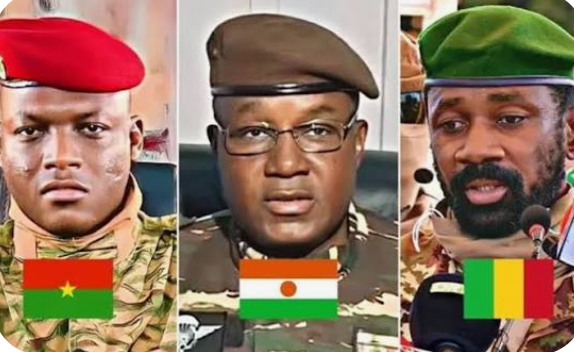
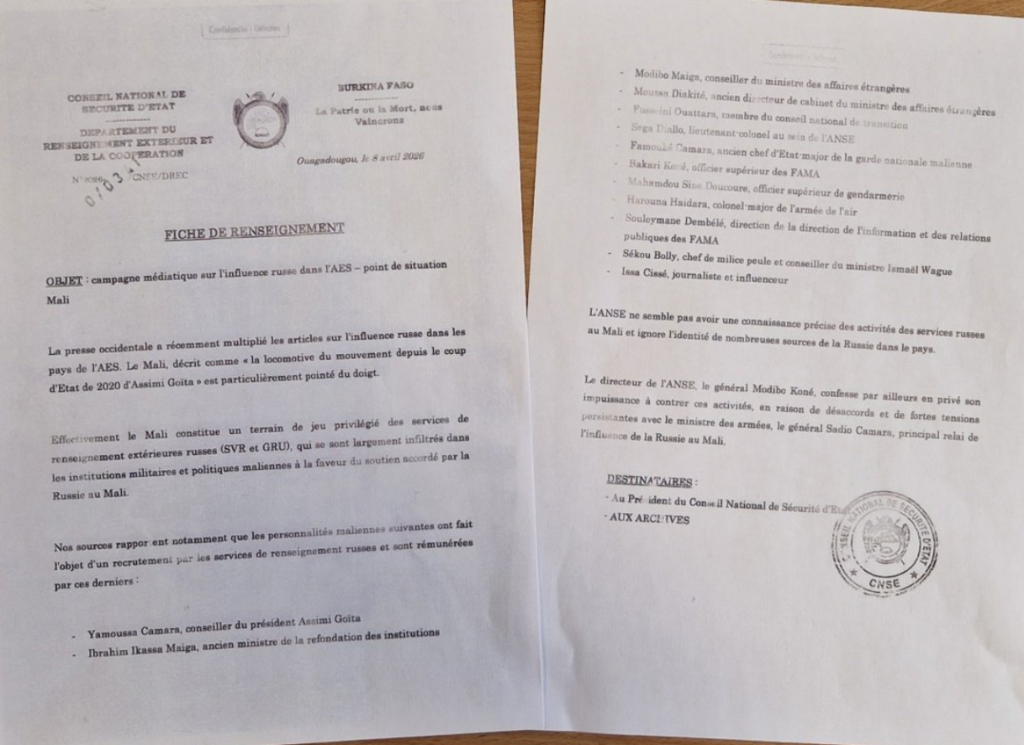
The Alliance of Sahel States (AES), established to forge unity between Mali, Burkina Faso, and Niger against external threats, is currently experiencing unprecedented turmoil. While official statements emphasize solidarity, a confidential intelligence report from Burkina Faso has ignited significant concern. This document suggests that the government in Bamako may no longer be fully autonomous, indicating a substantial infiltration by Russian influence networks.
A concerning roster of names
According to Burkinabè intelligence, this alleged infiltration extends beyond mere field instructors, reportedly reaching into the very core of the Malian state. The confidential note identifies key individuals believed to be operating within Moscow’s sphere of influence.
These include high-level advisors to President Assimi Goïta, such as Yamoussa Camara, along with prominent figures in administration and diplomacy like Modibo Maïga and Moussa Diakité. Senior military officials, including Bakari Koré and Harouna Haidara, are also cited, alongside leaders in media and militia groups, notably Sékou Bolly and journalist Issa Cissé.
This extensive list paints a picture of a pervasive web of influence woven throughout Malian institutions. For Ouagadougou, this discovery is deeply troubling: if Bamako’s decisions are being dictated or swayed by Russian interests, the entire collaborative strategy of the AES risks being compromised.
Malian sovereignty under scrutiny
The central irony of this evolving situation lies in the AES’s foundational principle: national sovereignty. In an effort to break away from historical Western influences, Mali appears to have welcomed new international players. However, questions are now being raised about the true cost of this shift.
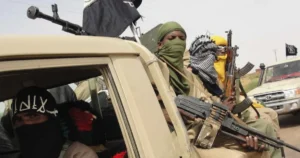
Some sources within the alliance suggest that Mali might be transitioning from one form of dependency to another. The increasing presence of foreign mercenaries and covert advisors is a growing concern for its neighbors, Niger and Burkina Faso. There is apprehension that Mali’s military and political choices could increasingly serve Russia’s geopolitical agenda rather than the broader interests of the Sahel region. This burgeoning distrust is creating tangible tensions, particularly with Niger, which views this perceived foreign dominance over a strategic partner with considerable unease.
The AES confronts uncertainty
The future viability of the alliance is now hanging in the balance. How can a collective defense strategy be effectively built if one of its members is suspected of having relinquished its own sovereign decision-making? The leak of this intelligence note indicates that Burkina Faso is beginning to distance itself from Mali’s current trajectory, fearing that instability or choices imposed by Moscow could destabilize the entire Sahel region.
The critical question is no longer solely whether the AES can overcome regional insecurity, but whether it can withstand its own internal divisions. Many observers contend that if Mali fails to reclaim full command of its national destiny, the alliance could dissolve as rapidly as it was formed, succumbing to the very foreign influence its founders pledged to resist.