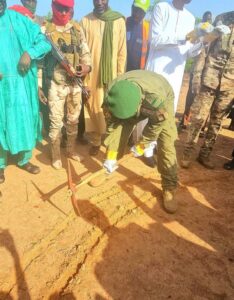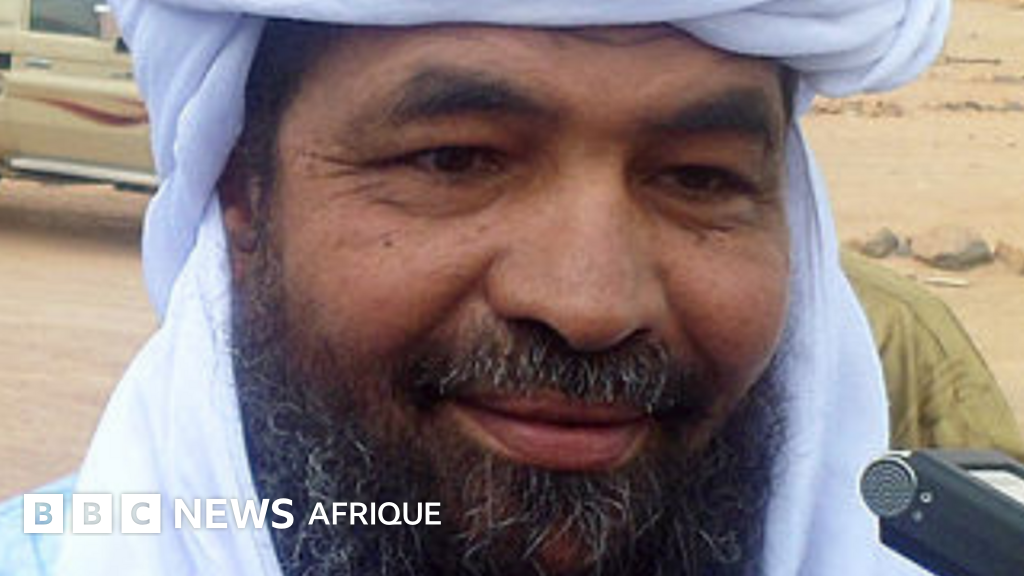
The Malian government has announced a financial reward of up to 2 billion West African CFA francs for the capture of Iyad Ag Ghaly, the prominent jihadist leader of the Group for the Support of Islam and Muslims (JNIM), along with several of his associates. This bold move follows coordinated attacks in late April that targeted Kidal and Kati, involving both JNIM militants and members of the Azawad Liberation Front (FLA).
In an official statement released by the Ministry of Security and Civil Protection, the government urged citizens to support national defense and security forces in identifying seven individuals considered critical threats to Mali’s stability and peace. The communiqué emphasized the urgent need for collective action to dismantle these networks operating against the state.
What Mali’s authorities have declared
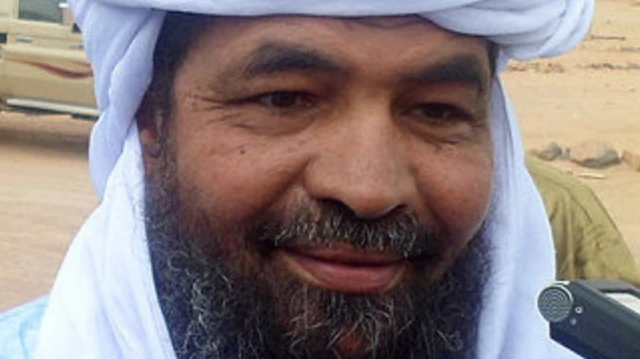
In a televised address on Thursday, the Ministry of Security and Civil Protection officially unveiled the bounty program. The government pledged significant financial incentives to anyone providing credible information leading to the arrest or neutralization of the listed individuals, who are accused of orchestrating terror campaigns across the country.
The highest reward, set at 2 billion FCFA, targets Iyad Ag Ghaly, the emir of the JNIM and a long-standing figure in Mali’s insurgency landscape. The group, also referred to as the Support Group for Islam and Muslims, operates under the banner of Al-Qaeda in the Islamic Maghreb and has expanded its influence across the Sahel region.
Also named in the bounty list are Amadou Koufa, leader of the Macina Katiba, and Abdoulaye Mohamed, known as Habib, both senior commanders within JNIM, each carrying a 1.5 billion FCFA reward. These men have been directly implicated in multiple high-profile attacks, including the assault that claimed the life of Mali’s Defense Minister earlier this year.
Among the FLA leadership, Algabas Ag Intallah—a key political and military figure—has been marked with a 1 billion FCFA bounty. Three other FLA commanders, including Ghita, Bilal Chérif, and Abderrahmane Al Banna, are each subject to a 500 million FCFA reward.
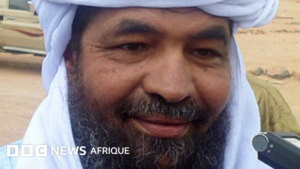
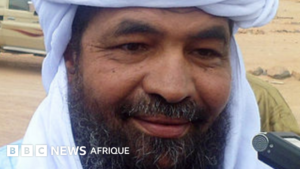
Who is Iyad Ag Ghaly?
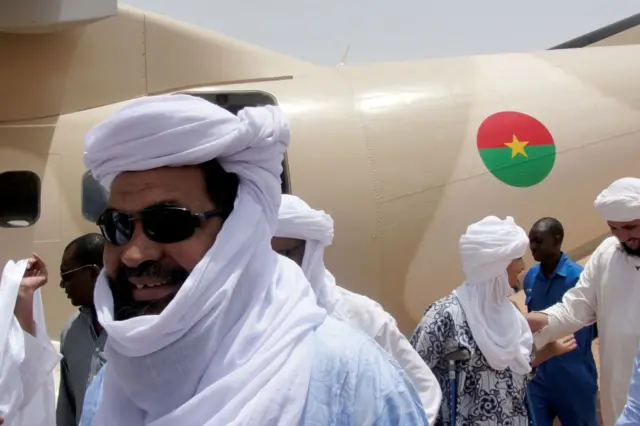
Born in 1958 in Boghassa, a village near Kidal in northern Mali, Iyad Ag Ghaly is a Tuareg warlord whose influence has reshaped the country’s security landscape over decades. His journey began in the 1970s when he traveled to Libya, joining the ranks of Colonel Muammar Gaddafi’s forces during conflicts in Lebanon and Chad.
Upon returning to Mali in the early 1990s, Ghaly founded the Popular Movement for the Liberation of Azawad (MPLA) and spearheaded a Tuareg rebellion against the Malian state. Later, he transitioned into leadership roles within the Azawad People’s Movement (MPA), before negotiating a peace agreement with the government in 1992.
His ideological shift toward violent extremism became evident in 2007 when he aligned with the Salafist Group for Preaching and Combat (GSPC), a faction tied to Al-Qaeda in the Islamic Maghreb (AQIM). By 2012, he established Ansar Dine, merging it with AQIM in a campaign to impose sharia law in northern Mali.
In 2017, Ghaly consolidated his power by forming the JNIM, uniting multiple Malian jihadist factions under a single command structure loyal to Al-Qaeda. Analysts describe him as the most-wanted figure in the Sahel, responsible for orchestrating a shift in insurgent strategy—moving beyond direct military confrontation to economic sabotage.
According to regional security analysts, his current tactics focus on crippling Mali’s infrastructure, blocking supply routes, and targeting energy facilities to destabilize the government in Bamako. Intelligence reports suggest his ultimate aim is not to govern but to dismantle the existing regime and plunge the nation into chaos.
The International Criminal Court has issued an arrest warrant against Ghaly, charging him with crimes against humanity and war crimes committed during the 2012–2013 occupation of northern Mali. Despite international pressure, he continues to evade capture, operating from hidden positions while orchestrating attacks across the region.