Mabouba Diagne takes legal action against media for defamation in Senegal
In a significant move, Mabouba Diagne, Senegal’s Minister of Agriculture, Food Sovereignty, and Livestock, has filed a defamation lawsuit against multiple media outlets. The minister accuses these outlets of spreading false claims that link him to financial irregularities in a report by the Cour des comptes regarding subsidized agricultural equipment.
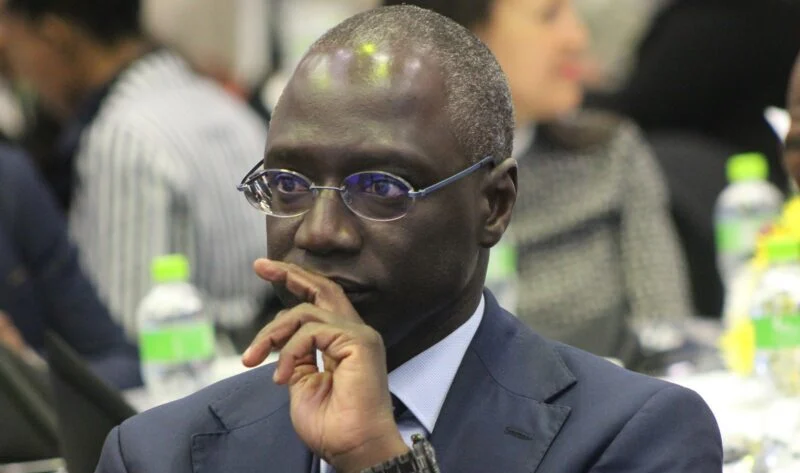
The complaint was lodged with the Dakar prosecutor’s office under case number 8815, following reports published from May 15, 2026. These reports allegedly referenced a Cour des comptes interim report from 2025, which identified discrepancies in the management of subsidized agricultural programs. The minister’s legal team, led by attorney Me Khadim Kébé, argues that the publications deliberately associated his image or name with the alleged financial misconduct, despite no direct evidence linking him to the irregularities.
Minister denies involvement in financial misconduct
Mabouba Diagne has strongly denied any wrongdoing, emphasizing that the contracts for subsidized agricultural equipment were finalized before he assumed his current role. He also clarified that the interim report does not explicitly name him as responsible for or involved in the reported financial irregularities.
In his complaint, the minister invoked the Senegalese Penal Code’s Articles 255 and 258, which address defamation and the dissemination of false information. He maintains that the publications have tarnished his reputation and caused unjustifiable harm, prompting his decision to pursue legal recourse against the responsible media outlets and individuals.
Legal battle highlights press freedom and accountability in Senegal
The lawsuit underscores broader debates about press freedom and journalistic responsibility in Senegal. While the minister seeks to protect his professional integrity, the case raises questions about the balance between holding public officials accountable and ensuring accurate reporting. As legal proceedings unfold, this dispute could set a precedent for how allegations of misconduct are handled in the media landscape.