The long-awaited breakthrough in Central African aviation has arrived. Cameroon has officially greenlit the launch of a new air corridor with Libya, marking a decisive turning point in regional connectivity. This strategic move, confirmed during a high-level meeting on September 23, 2026, signals a major shift in how both nations approach air travel and economic cooperation.
From diplomatic talks to concrete action
Minister of Transport Jean Ernest Masséna Ngallè Bibehè recently hosted Libyan chargé d’affairs Adel Shawi in Yaoundé to finalize the details of this historic initiative. The two officials engaged in productive discussions about activating the Tripoli-Yaoundé air route, which had remained dormant for years.
The Cameroonian government has responded with urgency, establishing dedicated technical working groups to assess all operational and logistical aspects of the project. These committees will explore airspace regulations, flight safety protocols, and potential economic benefits for both nations.
Libya’s aviation revival and Cameroon’s strategic response
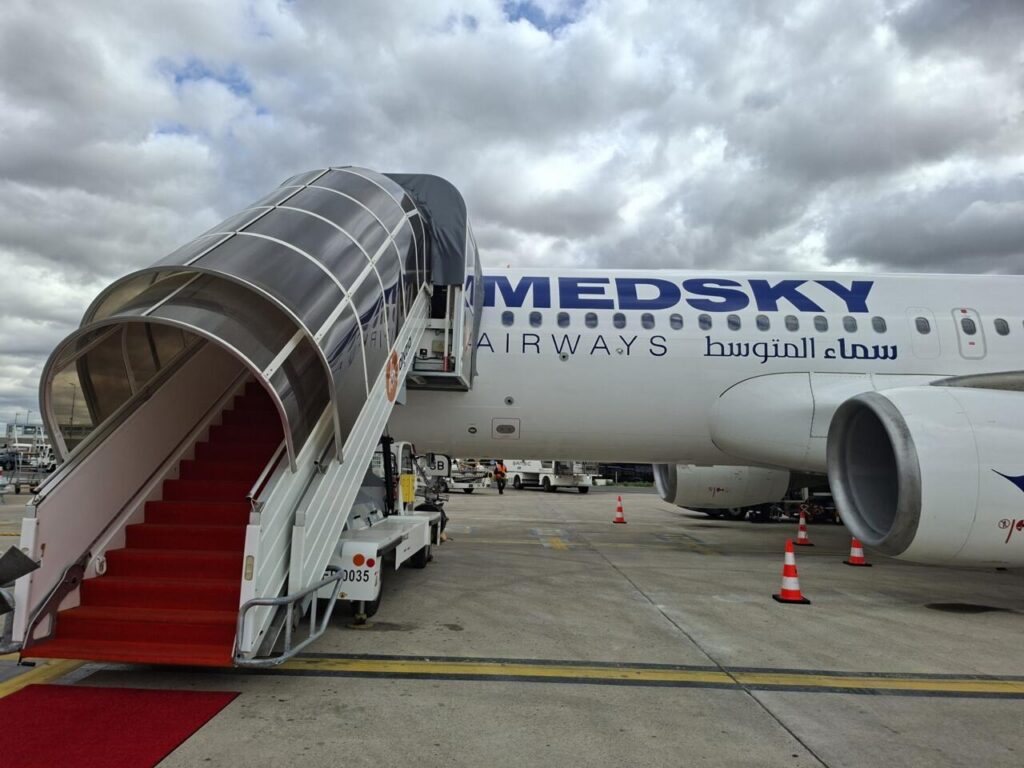
Libya’s MesSky airline made headlines earlier this month by launching its first direct flight to Paris, with additional routes connecting Benghazi to European destinations. This signals the North African nation’s gradual reintegration into the global aviation network—a process that comes with significant security considerations.
Cameroon has responded by positioning itself as an active partner in this unfolding partnership, emphasizing its willingness to facilitate the air link’s implementation. The proposed route would not only enhance passenger travel but also strengthen bilateral trade and logistics networks between the two countries.
What this air corridor means for Central Africa
The Tripoli-Yaoundé air link represents more than just additional flight options—it’s a catalyst for broader economic and diplomatic engagement. Analysts predict the route could:
- Boost trade flows by reducing travel times between Libya and Cameroon by over 40%
- Enhance regional integration across the Sahel and Central African zones
- Open new investment opportunities for businesses operating in both markets
- Strengthen people-to-people connections through increased cultural and educational exchanges
The technical teams now face the critical task of addressing security concerns in Libyan airspace while ensuring compliance with international aviation standards—a challenge that both governments appear ready to tackle head-on.
Next steps in the aviation breakthrough
With working groups in place and both countries showing strong commitment, the timeline for actualizing this air route appears promising. The coming months will determine:
- Finalization of bilateral aviation agreements
- Implementation of enhanced security protocols
- Establishment of regular flight schedules
- Integration with existing regional air transport networks
For Cameroon, this represents a strategic opportunity to position itself as Central Africa’s primary aviation hub. For Libya, it offers a pathway to reconnect with African markets at a pivotal moment in its post-conflict recovery.