Ivorian party PPA-CI undergoes leadership restructuring ahead of potential post-Gbagbo era
In a strategic move, Côte d’Ivoire’s Parti populaire africain de Côte d’Ivoire (PPA-CI) has reshuffled its leadership structure, entrusting five prominent figures with expanded responsibilities. This reorganization, spearheaded by former president Laurent Gbagbo, signals a deliberate preparation for the political landscape beyond his era. The implications and future trajectory of the party remain subjects of intense discussion among political observers and citizens alike.
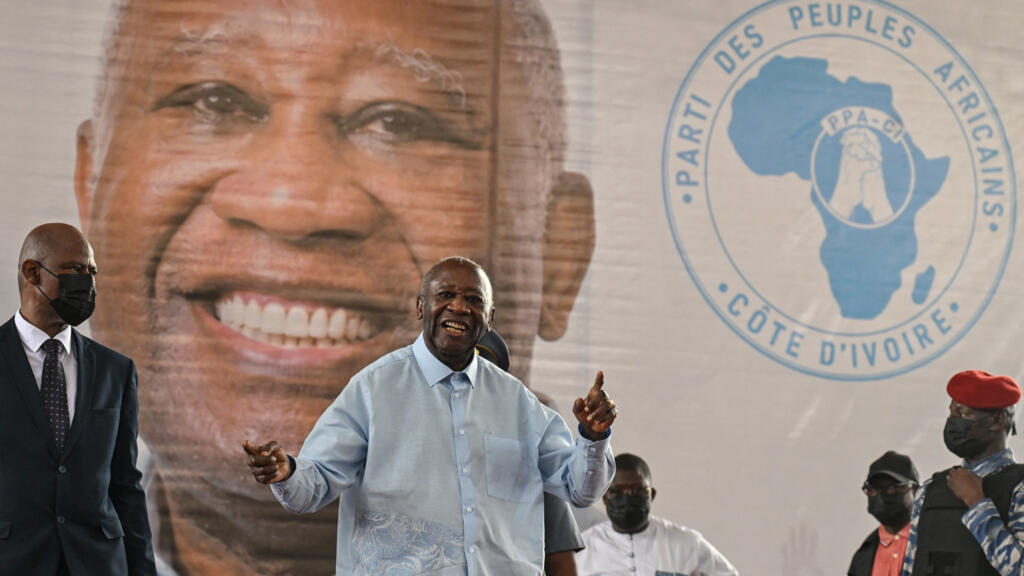
Restructuring signals strategic shift within PPA-CI
Côte d’Ivoire’s PPA-CI has entered a new phase with the delegation of key responsibilities to five senior officials. This restructuring, orchestrated by Laurent Gbagbo, represents more than an administrative adjustment—it’s a calculated step toward securing the party’s future beyond his direct leadership. The move has intensified discussions about succession planning and the party’s evolving role in Ivorian politics.
Academic perspectives on the political transition
Sociologist and researcher Séverin Yao Kouamé, affiliated with Bouaké University, offers critical insights into this leadership transition. His analysis provides valuable context on how this reorganization might influence the party’s strategies and the broader political landscape in Côte d’Ivoire.
What this means for Ivorian politics
The delegation of powers within PPA-CI raises important questions about the party’s direction and its preparedness for the post-Gbagbo era. Political analysts are closely examining this development to assess its potential impact on Côte d’Ivoire’s democratic processes and the future of the PPA-CI movement.
Key considerations moving forward
- Party continuity: How will this restructuring ensure the party’s long-term viability?
- Leadership transition: What does this shift reveal about Gbagbo’s vision for the party’s future?
- Political implications: How might this affect Côte d’Ivoire’s political landscape in the coming years?
- Public reception: How are Ivorian citizens responding to these changes?