Escalating violence in Mali forces nearly 40,000 to flee
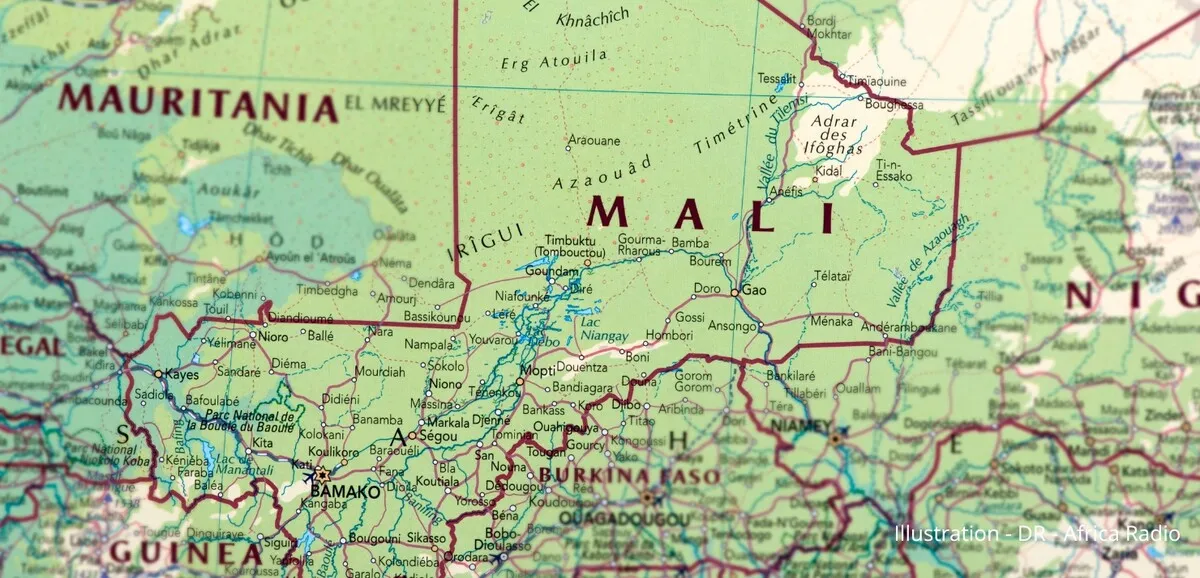
Since late April, a surge in armed clashes and aerial bombardments in northern and central Mali has forced tens of thousands of civilians to abandon their homes. Displaced families are increasingly seeking refuge in the cities of Gao and Ménaka, where the strain on local resources is becoming unsustainable.
Kidal at the heart of the renewed offensive
A coalition of jihadist factions aligned with the Group for the Support of Islam and Muslims (JNIM) and separatist rebels from the Azawad Liberation Front (FLA) has launched a major offensive across northern Mali. The strategic city of Kidal has fallen under their control, and fighting has intensified around Anéfis, another key northern location. For civilians caught in the crossfire, these renewed clashes mean repeated displacements, abandoned villages, and increasingly limited access to essential services.
Air strikes exacerbate displacement crisis
Over the past two weeks, Malian military airstrikes in the Kidal region—particularly around Tinzawatene—have reportedly intensified. According to security sources, some attacks have destroyed health facilities and triggered fresh waves of displacement. While the exact circumstances and scale of the damage remain unverifiable due to restricted access, the surge in civilian flight is undeniable. Residents from combat zones are fleeing toward urban centers, where existing humanitarian capacities are already stretched thin.
Gao and Ménaka overwhelmed by new arrivals
The sudden influx of nearly 40,000 internally displaced persons (IDPs) is placing immense pressure on local authorities and aid organizations in Gao and Ménaka. About 15,000 of these families have arrived since the latest wave of violence began, with Gao alone reporting over 7,000 new arrivals in just three months. The displaced—primarily from Kidal—require urgent shelter, food, clean water, medical care, and child protection services. This comes as Mali’s total IDP population already exceeds 400,000, a figure aid workers warn may be an underestimate. The latest displacement surge threatens to further destabilize an already fragile humanitarian landscape in the north and center of the country.
Decade-long security crisis deepens
Northern Mali has been mired in a protracted security crisis since 2012, fueled by the expansion of jihadist groups tied to Al-Qaeda and the Islamic State, alongside community-based and separatist armed factions. Following the 2020 and 2021 military coups, the transitional authorities prioritized territorial reconquest and security restoration. Yet the recent surge in violence underscores the persistent challenges in implementing these goals. For residents in conflict zones, a pressing question remains: how long can they continue to stay before being forced to flee?