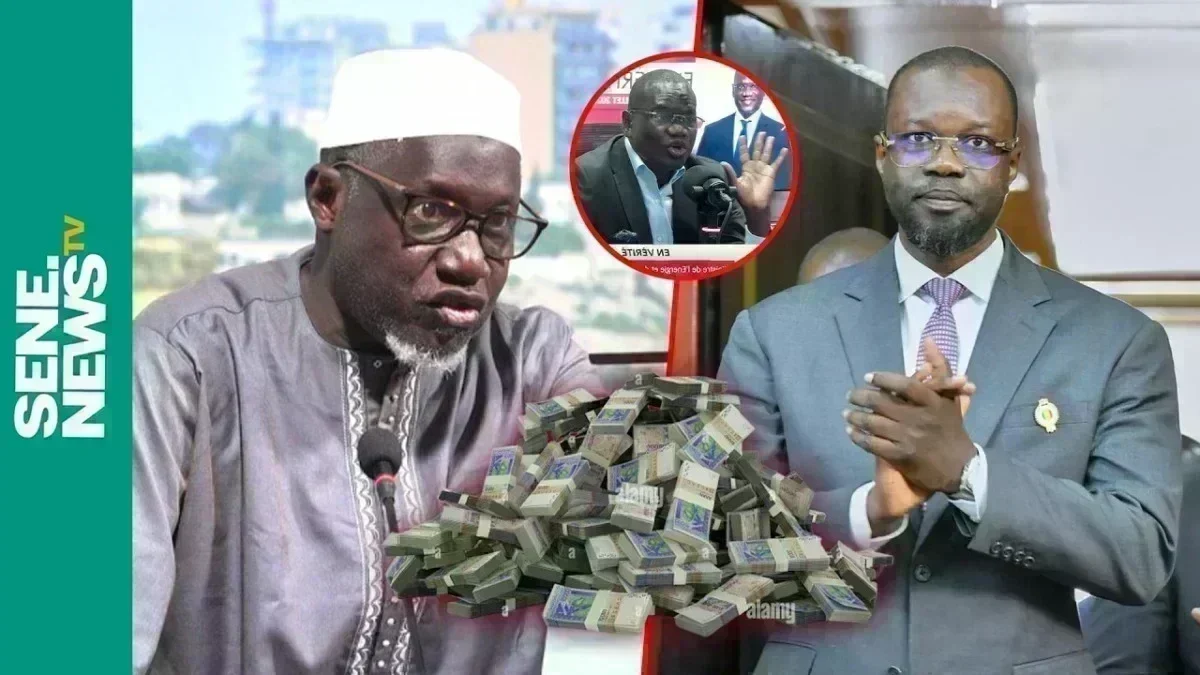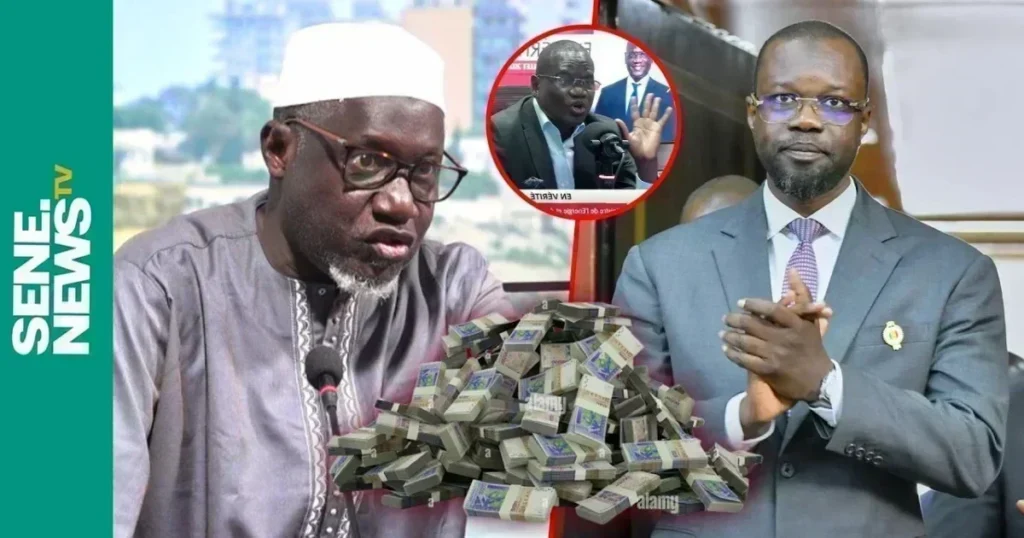
Whether you follow Senegal’s political landscape closely or simply want to understand the latest debates shaping the nation, this response from Imam Kanté provides crucial insights into the ongoing discussion.
what prompted the exchange between Imam Kanté and Moundiaye Cissé?
Public figures in Senegal are actively discussing the recent statements made by Ousmane Sonko, sparking a series of reactions across the political spectrum. Moundiaye Cissé, a prominent commentator, raised questions about Sonko’s remarks, prompting a detailed response from Imam Kanté, a respected religious and political analyst. This exchange has drawn significant attention from observers tracking the evolving political climate in the country.
key points in Imam Kanté’s response
Imam Kanté addressed the controversy with a measured yet firm stance, emphasizing the importance of clarity and accountability in public discourse. Among the highlights of his response:
- call for political responsibility – He stressed that leaders must uphold transparency and avoid inflammatory rhetoric that could destabilize the nation.
- defense of democratic principles – Imam Kanté underscored the need to protect Senegal’s democratic institutions amid growing polarization.
- rejection of divisive narratives – He cautioned against language that could deepen social divisions, urging a more constructive approach to political disagreements.
His remarks reflect a broader concern about the impact of political rhetoric on national cohesion, resonating with many who advocate for stability in Senegal’s public life.
why this exchange matters for Senegal
The debate between Imam Kanté and Moundiaye Cissé highlights the intense scrutiny surrounding Ousmane Sonko’s statements and their potential consequences. As Senegal navigates complex political challenges, such discussions are pivotal in shaping public opinion and influencing policy discussions. Imam Kanté’s intervention adds a voice of reason, urging stakeholders to prioritize national interests over partisan conflicts.
the role of religious leaders in Senegalese politics
Imam Kanté’s involvement in this debate underscores the significant influence religious leaders wield in Senegalese society. Their perspectives often carry weight in public discourse, bridging gaps between political factions and fostering dialogue. This dynamic is particularly relevant in a country where religion and governance frequently intersect, making such voices critical in times of political tension.
public reaction and broader implications
The response has sparked mixed reactions, with some praising Imam Kanté’s balanced approach, while others continue to debate the substance of Sonko’s original statements. Regardless of where one stands, the exchange serves as a reminder of the ongoing need for constructive dialogue in Senegal’s political arena.