Gabon’s bold education reform targets 2030 vision
Libreville, July 16, 2026 – Gabon has launched one of the most critical initiatives in its national transformation journey. By approving the interim education sector plan roadmap for 2026-2030, the Gabonese authorities have set a clear goal: to position the education system as the primary engine for economic diversification, social cohesion, and international competitiveness.
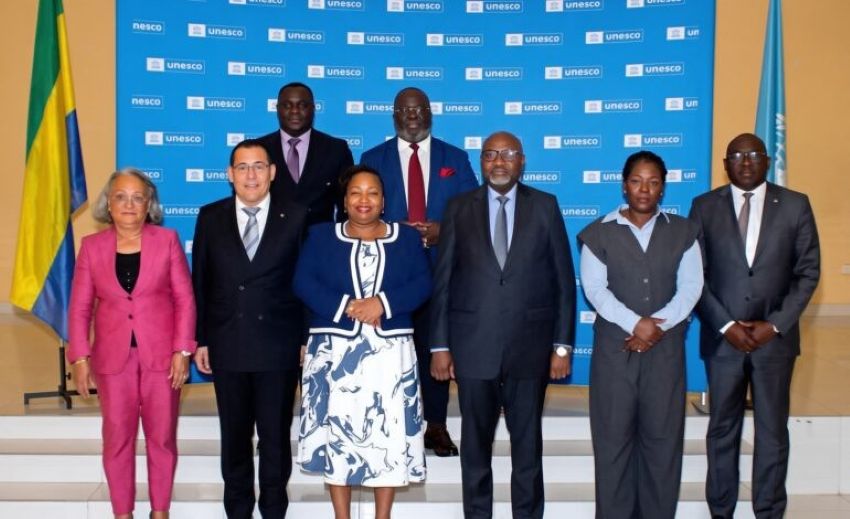
The framework, unveiled at the Alibandeng school complex, marks a strategic shift in how the country approaches its future. Government officials, technical partners, financial backers, and civil society representatives gathered to formally endorse the five-year reform agenda, led by Minister of National Education Camélia Ntoutoume Leclercq and UNESCO’s Resident Representative in Gabon, Patricio Zambrano Restrepo.
This collective commitment reflects a global consensus: nations aspiring to emerge economically must prioritize human capital development above all else.
A dual challenge of demographics and economics
Gabon’s education system faces mounting pressures. A rapidly growing youth population demands expanded infrastructure, enhanced training programs, and greater professional opportunities. Simultaneously, the economy must transition from its heavy reliance on extractive industries toward industrial transformation, service sectors, and digital innovation.
The PSEI 2026-2030 offers a structured response to long-standing challenges previously addressed in isolation. The roadmap outlines a phased implementation strategy comprising five key stages, from strengthening governance mechanisms to evaluating outcomes by 2030.
Four core priorities have been identified:
- Expanding educational access: Increasing school infrastructure, boosting enrollment capacities, and reducing regional disparities to ensure every child has access to quality learning.
- Enhancing learning quality: Investing in teacher training, integrating educational technologies, and aligning curricula with labor market demands to prepare students for future careers.
- Modernizing sector governance: Strengthening administrative efficiency, resource management, and transparency to create a more responsive and accountable education system.
- Promoting inclusive education: Ensuring schools are accessible, safe, and equitable for all children, particularly those with special needs.
Education as a pillar of national sovereignty
The involvement of UNESCO, UNICEF, and other international partners underscores the significance of Gabon’s educational reform. Yet the ultimate objective transcends financial support and technical assistance; it is about asserting national sovereignty.
In an era dominated by artificial intelligence, automation, and knowledge-based economies, natural resources alone will not secure a nation’s prosperity. The countries that thrive tomorrow will be those capable of cultivating talent, mastering technology, and driving innovation.
For Gabon, transforming its education system is both a strategic imperative and an economic choice. The plan aims to equip young people with the skills demanded by tomorrow’s job market, enhance their employability, and align training programs with the real needs of businesses. This approach could also help address youth unemployment, one of Africa’s most pressing social challenges.
The test of credibility
African education initiatives have historically struggled with continuity, funding gaps, and evaluation challenges. The success of the PSEI hinges not on the quality of its design but on the government’s ability to execute it consistently over time.
Reliable progress tracking, stable funding, inter-institutional coordination, and teacher engagement will determine whether the reform fulfills its promise. By embarking on this journey, Gabon sends a powerful message: the wealth of tomorrow will not be found solely underground but in classrooms. The global competition of the 21st century will be won not by natural resources but by knowledge, skills, and the ability to nurture homegrown talent.
The Gabonese education bet is far more than an administrative reform. It is an investment in economic sovereignty, social stability, and the nation’s role in shaping Africa’s future.