Gabon: why the battle against high cost of living won’t succeed in supermarkets
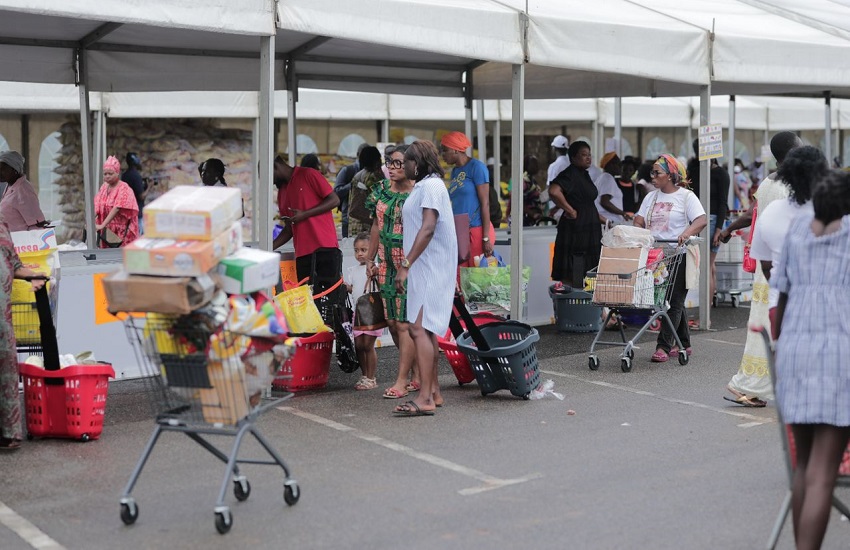
Libreville — The fight against rising living costs has dominated public discourse in Gabon for years. While successive governments have rolled out price controls, tax exemptions, subsidies, and special promotions, households continue to feel the pinch at checkout counters.
Government initiatives like the Centrale d’Achat du Gabon’s mega-markets temporarily ease pressure on consumers by offering staples at reduced rates. Yet once the promotions end, prices rebound to previous levels. The core issue isn’t about the effectiveness of these measures but their fundamental limitation: they treat symptoms, not causes.
Why price controls hit a ceiling
Administrative price adjustments provide immediate relief to struggling families. However, they fail to address the underlying factors driving inflation. Gabon’s economy remains heavily reliant on imports, leaving it vulnerable to global market fluctuations, shipping costs, and supply chain disruptions. Each price surge abroad inevitably trickles down to local consumers.
This dependency reveals a deeper structural problem. A nation that imports essential goods imports inflation. A nation that exports raw materials without processing them loses potential jobs, revenue, and economic stability. From this perspective, the cost-of-living crisis becomes less about pricing and more about economic design.
From raw materials to value creation
Gabon possesses significant assets: vast forests, mineral wealth, fertile land, a strategic location, and relative political stability. Yet much of this potential wealth leaves the country unprocessed. Transforming these resources locally could unlock transformative benefits.
Local processing generates employment. Employment creates income. Income boosts purchasing power. Enhanced purchasing power drives demand, fuels growth, and sustains economic momentum. The same principle applies to agriculture. Developing local food production, modernizing supply chains, and supporting agro-industries can reduce import dependence while creating lasting jobs.
Building a resilient middle class
For decades, policy debates have focused on controlling prices. Today, the conversation must shift toward income generation. A society prospers not when prices are artificially suppressed but when its citizens earn enough to meet needs, invest in education, and plan for the future.
A strong middle class acts as an economic stabilizer. It drives domestic demand, encourages private investment, and fosters homegrown entrepreneurship. The real battle against high living costs lies in cultivating productive jobs and sustainable incomes—not in temporary price fixes.
Transparency as a strategic tool
Modernizing economic governance is equally critical. Digital price tracking can revolutionize market oversight. Real-time data analysis helps detect anomalies, reinforce competition, and measure policy impact. This shift from perception-based management to fact-driven governance could restore trust among consumers, businesses, and regulators.
The cost-of-living crisis is not unique to Gabon. Across Africa, governments grapple with the same dilemma: how to protect citizens without locking economies into perpetual subsidy cycles. Gabon has an opportunity to pioneer a solution—one that combines social support with structural transformation.
By advancing local processing, modernizing agriculture, expanding industrial capacity, creating sustainable jobs, and embracing digital market tools, the country can shift the fight against high prices from one of compensation to one of genuine economic renewal. The goal isn’t just to lower prices artificially but to empower Gabonians to live with dignity through stable, value-creating incomes.
The dividing line today isn’t between high and low prices—it’s between managing symptoms and solving root causes. That’s where the path to lasting relief begins.