Gabon’s Paris visit: economic promises now face implementation
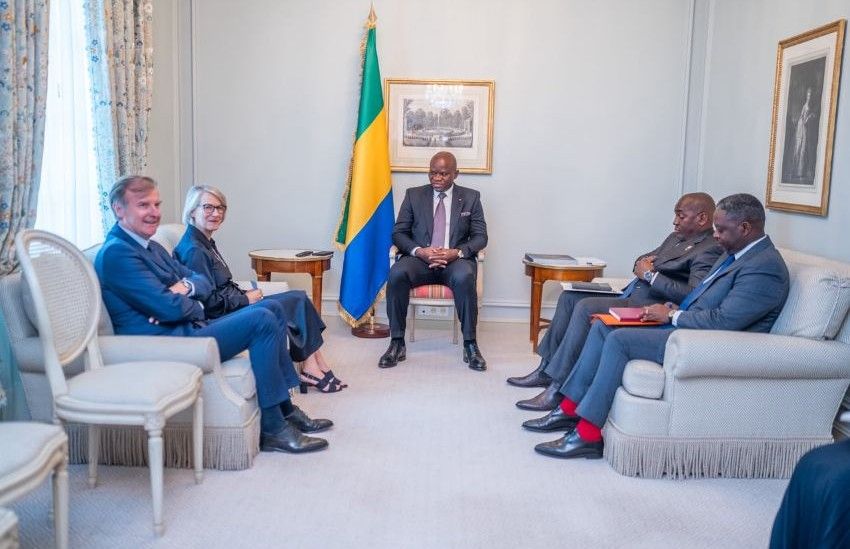
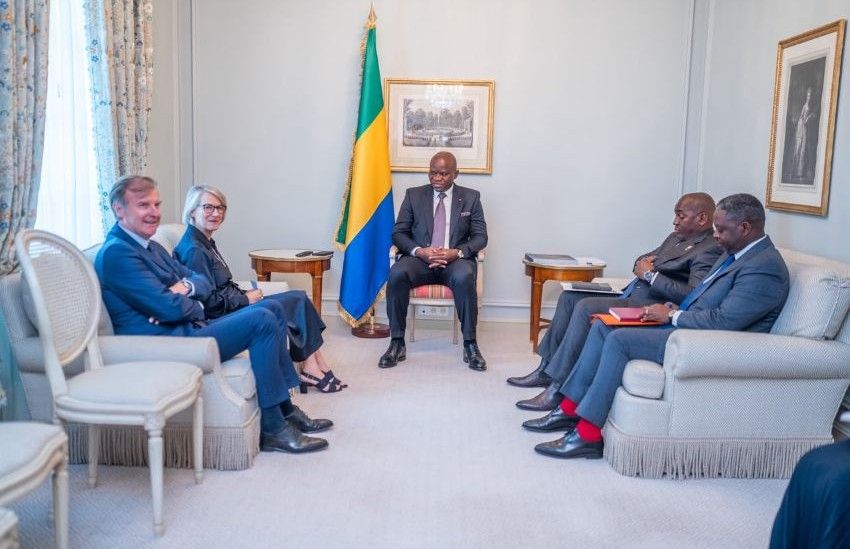
Libreville, August 4, 2026 – President Brice Clotaire Oligui Nguema’s state visit to Paris from July 19 to 22 was more than a diplomatic showcase. While military honors at Les Invalides and a dinner at the Élysée Palace marked the official agenda, Libreville’s primary objective was securing tangible economic commitments.
Behind the ceremonial displays, Gabon sought agreements that could deliver measurable benefits to its people. Now, the focus shifts to implementation. After meetings with top French executives, what real changes can Gabonians expect?
A delegation of over 80 individuals, including key private sector leaders, accompanied the president. While initial reports highlighted meetings with French corporate heads, the specifics of these discussions and their potential impact had remained unclear. New details now reveal the scope of negotiations and the sectors involved.
From aviation to manganese: key sectors under negotiation
On arrival in Paris, President Oligui Nguema met Anne Rigail, CEO of Air France. The aviation sector is critical for Gabon’s connectivity. Air France and Fly Gabon already collaborate commercially, with plans to finalize a codeshare agreement by year-end. This would allow Fly Gabon to sell tickets to Paris under its own airline code.
No final agreement was signed during this meeting, but the timeline remains ambitious. For Gabon, improved air links mean better access for business travelers, tourists, investors, and skilled professionals.
The next day at the Élysée, the mining sector took center stage. Eramet and its subsidiary Comilog discussed a protocol with Gabonese authorities on local manganese processing. Under the leadership of CEO Christel Bories, the company outlined a roadmap developed in partnership with Gabonese officials.
The plan aims to process up to 700,000 tons of manganese locally by the end of 2031. Several scenarios are still under review, including a “Made in Gabon” fund and the development of a biocharcoal industry.
Critical distinction: these are working frameworks, not finalized investments. For citizens, the difference is crucial. Local manganese processing will only become economically meaningful once studies, funding, infrastructure, and investment decisions are finalized.
Booué hydroelectric project: a test of credibility
Energy remains another strategic priority. Gabon, EDF Power Solutions, and Gabon Power Company signed an agreement for the Booué hydroelectric project on the Ogooué River, with a planned capacity of 400 megawatts.
Gabon possesses significant hydroelectric potential but currently exploits only a fraction of it. National production hovers around 700 megawatts, yet demand exceeds 1,000 megawatts. The Paris agreement is not the project’s conclusion but sets a deadline: partners aim to finalize development terms by October 31. Monthly meetings are scheduled to advance discussions, making this a first test of commitment.
The visit also included discussions with Omega Consortium, an infrastructure firm specializing in water and electricity. Their meeting with the president focused on expanding access to essential services—another key priority for Libreville.
Following the visit, presidential communications highlighted progress in mining, water, energy, security, and investments. However, precise figures and details of several commitments remain undisclosed, fueling public anticipation.
Gabonese citizens demand tangible results
President Oligui Nguema’s Paris trip identified partners, set deadlines, and launched initiatives in aviation, mining, energy, and infrastructure. Yet the true test lies ahead. For citizens, the names of CEOs and agreements mean little without real outcomes.
Gabonians expect jobs, reliable electricity, improved water access, better mobility, increased local value addition, and ultimately, improved living standards. The October 31 deadline for Booué, the potential aviation agreement by year-end, and developments in manganese processing will be closely watched.
Economic diplomacy must move beyond photo opportunities and signed memos. Its success will be measured by tangible changes in daily life. The coming months will reveal whether Paris delivered promises or mere words.