The legal team representing Alain Claude Bilie By Nze has raised serious concerns over the prolonged detention of their client, now approaching four months since his arrest on April 15. They argue that the charges against the former Gabonese Prime Minister and leading opposition figure stem from a 2008 financial disagreement, questioning the legitimacy of the legal proceedings.
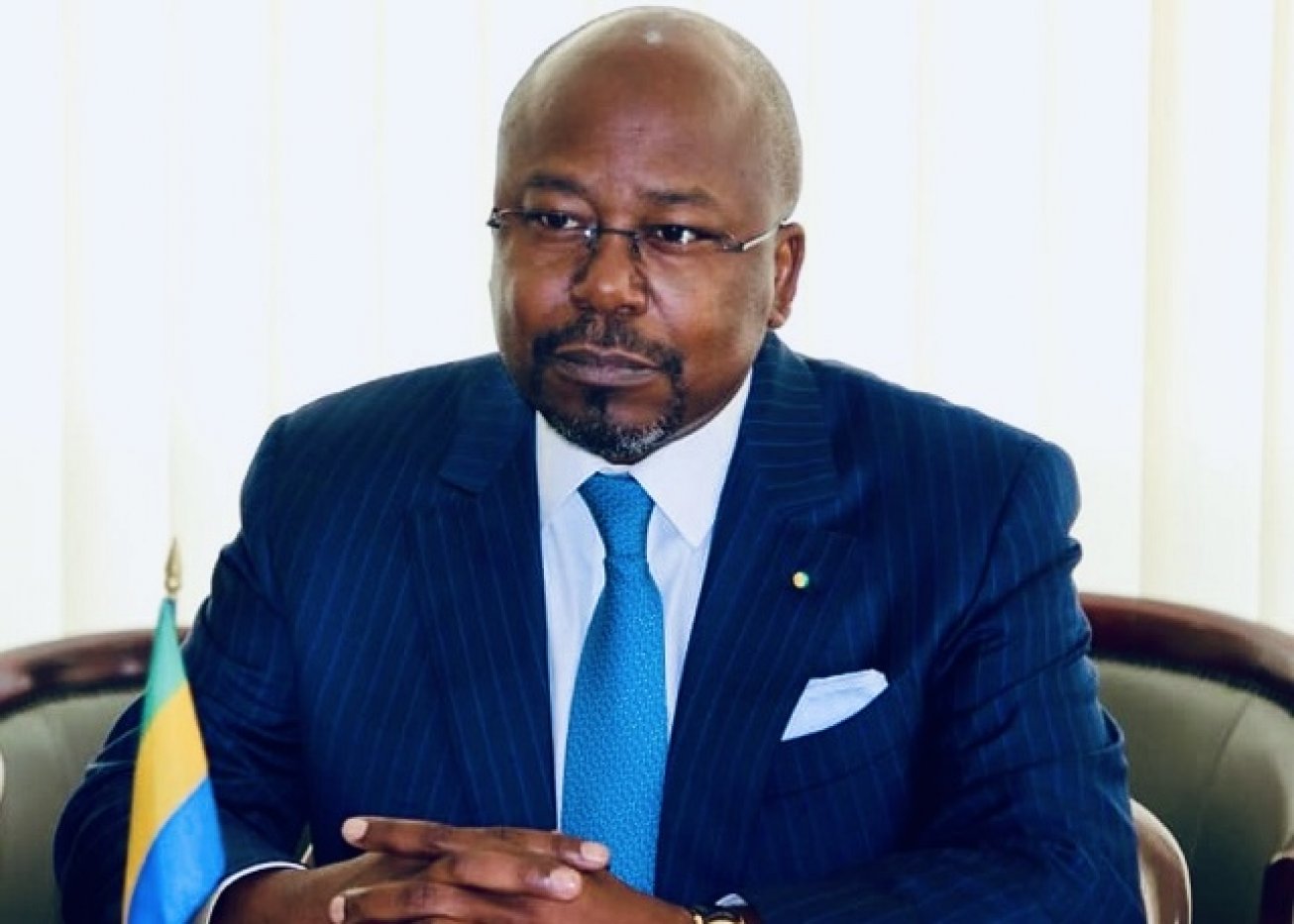
In a formal statement, the defense attorneys emphasized that their client faces prosecution for alleged fraud and breach of trust, accusations tied to a private dispute involving roughly 7,600 euros. The case, they contend, has been improperly leveraged to justify his continued incarceration. Alain Claude Bilie By Nze previously served as Prime Minister under the Bongo administration until the August 2023 military takeover led by General Brice Oligui Nguema. Following the coup, he ran in the presidential election but was unable to overturn the declared outcome.
Allegations of harsh conditions and procedural irregularities
The lawyer’s account highlights severe detention conditions, describing a five-square-meter cell in a Libreville prison deprived of natural light. They further allege that their client endured 100 days of solitary confinement, labeling it an unjust and politically motivated measure. Equally troubling, the defense claims they have been denied access to the case file, with the investigating judge reportedly stating that the relevant documents are no longer in his possession. A motion to dismiss the case filed by the legal team was rejected by the Libreville Court of Appeal on June 2. “A man remains imprisoned based on a case file his lawyers have never been allowed to review,” stated attorney Arthur Vercken in a public statement. The August 2023 coup marked the end of over five decades of Bongo family rule, with Brice Oligui Nguema later elected president in a vote framed as a step toward restoring civilian governance. The detention of Alain Claude Bilie By Nze occurs amid a politically charged environment as the nation navigates post-transition institutional reforms.