Gabon faces a decisive evaluation of its anti-corruption measures
Libreville — As the global community increasingly views the fight against graft as a benchmark for national reliability, Gabon is currently under intense international scrutiny.
Starting this week in Libreville, the nation is hosting a high-level assessment mission for the second cycle of the United Nations Convention against Corruption (UNCAC). While technically a procedural review, the implications for the country’s political and economic standing are profound.
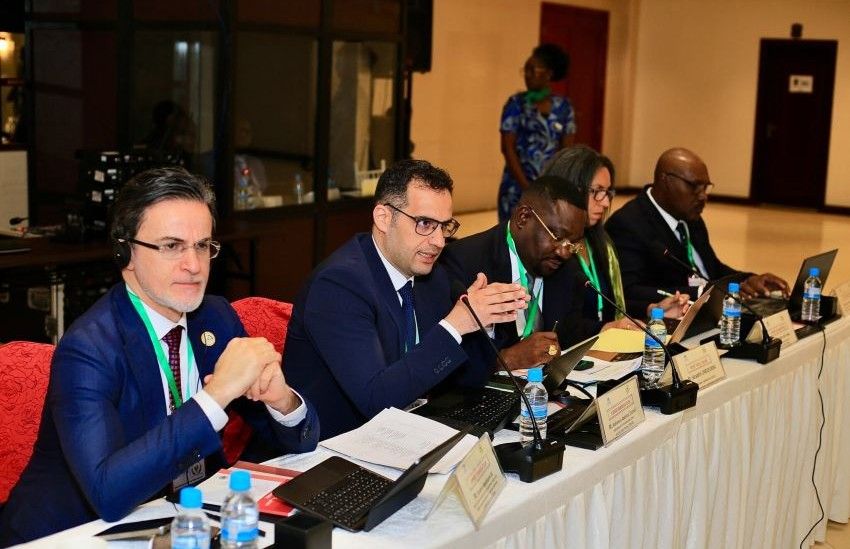
Experts from the United Nations Office on Drugs and Crime, alongside delegates from Gabonese institutions and regional specialists from Chad and Libya, are spending three days auditing the nation’s integrity systems. Their focus includes prevention tactics, oversight mechanisms, international judicial cooperation, and the recovery of stolen assets. This exercise serves to determine how effectively Gabon is turning its international pledges into tangible governance results.
A strategic review of national integrity
The mission, which convened at the Hotel Boulevard, represents a vital phase in the modernization of public management. The audit covers a wide range of topics, including financial traceability, inter-institutional coordination, and the specific tools used to combat illicit enrichment.
Séraphin Ondoumba, a member of the National Commission for the Fight Against Corruption and Illicit Enrichment (CNLCEI) and a focal point for the UNODC, noted that this process allows the state to showcase its advancements while identifying areas that still require strengthening.
For the visiting experts, the goal extends beyond reviewing legal texts. The true objective is to evaluate the state’s ability to foster a lasting culture of public integrity and ensure that national resources are managed with absolute rigor.
This assessment arrives at a time when transparency has become a primary factor for economic attractiveness. Today, international investors and financial organizations weigh the quality of a country’s governance as heavily as its economic potential.
Governance as a pillar of national transformation
The discussions have highlighted the significant reforms introduced under the leadership of President Brice Clotaire Oligui Nguema. The executive branch has made the fight against corruption, the optimization of public spending, and the reinforcement of administrative audits top priorities.
Vice-President Hermann Immongault emphasized that this mission aligns with a broader national strategy to enhance transparency, administrative responsibility, and adherence to global standards.
A key part of this strategy involves the digital transformation of financial and administrative workflows. This technological shift aims to eliminate opacity, protect public revenue, and ensure every financial transaction is fully traceable.
The evaluation also looks closely at the internal operations of the CNLCEI, the training programs provided to civil servants, and the internal control systems implemented across various government departments.
Institutional strength as a measure of credibility
Beyond the final report expected at the end of these sessions, this mission serves as a genuine trial of institutional credibility. In a world where transparency is non-negotiable, states that can prove the efficacy of their governance frameworks significantly boost their economic appeal and diplomatic leverage.
Gabon is demonstrating an understanding that integrity is no longer just an ethical concern but a vital factor in national competitiveness. The strength of a nation’s institutions now dictates investor confidence and the success of public policies.
The resulting recommendations will likely point toward necessary adjustments to solidify current progress. However, the ultimate success will depend on the implementation of these changes.
In the modern global economy, good governance is as essential as physical infrastructure like ports or energy grids. For Gabon, this week’s evaluation is more than an audit; it is a clear indicator of its potential to build a more transparent, efficient, and globally respected state.