Gabon and African Development Bank forge new alliance for priority projects
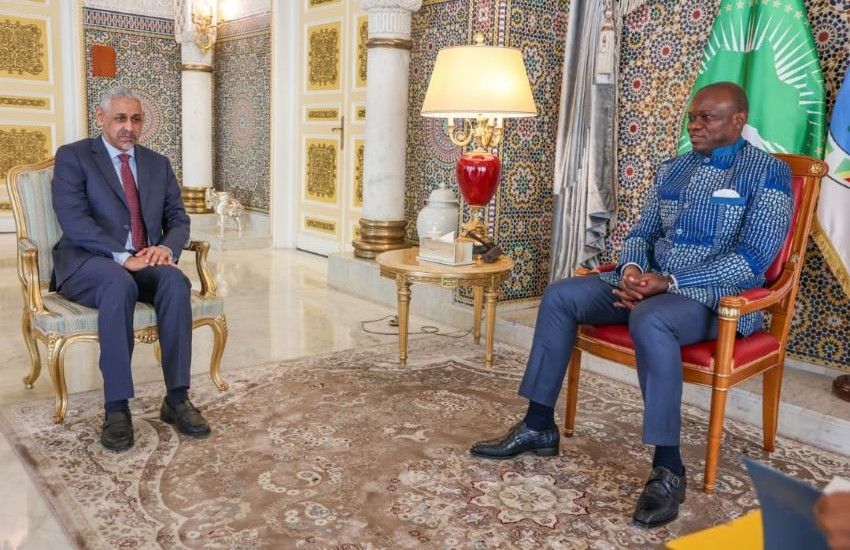
Libreville, August 15, 2026 — Gabon’s partnership with the African Development Bank (BAD) is entering a new phase. During a meeting in Libreville on August 14 with President Brice Clotaire Oligui Nguema, BAD President Sidi Ould Tah outlined a vision focused on tangible development outcomes rather than abstract financial commitments.
The agenda reflected Gabon’s pressing national priorities: securing reliable water and electricity supplies, and revitalizing the agricultural sector. These challenges are not just economic—they directly impact household welfare and the country’s long-term competitiveness.
Water and energy as pillars of national progress
Gabon’s leadership has made clear that improving water and electricity access is a non-negotiable priority. Frequent supply disruptions have eroded public confidence, prompting urgent action. The government is now seeking strategic investments to expand production and distribution networks, particularly in water supply from the Komo River basin.
The BAD has signaled its full support for these efforts, committing to fund large-scale infrastructure projects that enhance service quality, reliability, and accessibility. The goal is not just to build facilities, but to create sustainable public services that meet growing demand.
Boosting local agriculture to cut import dependency
Beyond infrastructure, Gabon’s development hinges on reducing its reliance on food imports. The President emphasized the need to channel BAD funding into local agricultural production, aiming for self-sufficiency while strengthening rural economies.
This strategy goes beyond basic subsistence farming. It involves modernizing agricultural value chains, improving market access for farmers, and fostering private investment. The potential benefits are wide-ranging: job creation, higher rural incomes, enhanced food security, and a more resilient national economy.
From financing to measurable impact
The meeting underscored a fundamental shift in Gabon’s partnership with the BAD. While past engagements may have focused on disbursing funds, the new approach prioritizes projects with clear, immediate socio-economic benefits.
President Oligui Nguema highlighted the importance of aligning financial flows with national development goals. The BAD’s role will be measured not by the volume of funds committed, but by the real-world improvements these investments deliver to Gabonese communities.
The path forward is clear: turning political consensus into actionable projects that deliver lasting change. Success will be defined not by budgets approved, but by the quality of life improvements visible in homes, farms, and cities across Gabon. This is the standard to which the renewed partnership will be held.