Gabon advances public revenue modernization through tax and customs integration
Libreville, July 19, 2026 – The Gabonese government is accelerating its public revenue collection modernization by strengthening cooperation between tax and customs authorities. This strategic alignment aims to enhance financial sovereignty, improve economic transparency, and combat fraud networks.
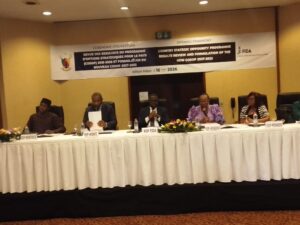
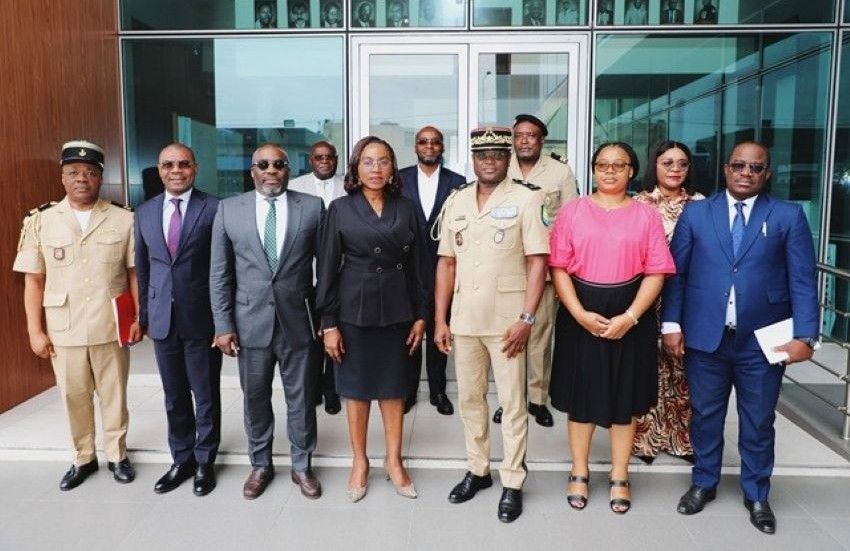
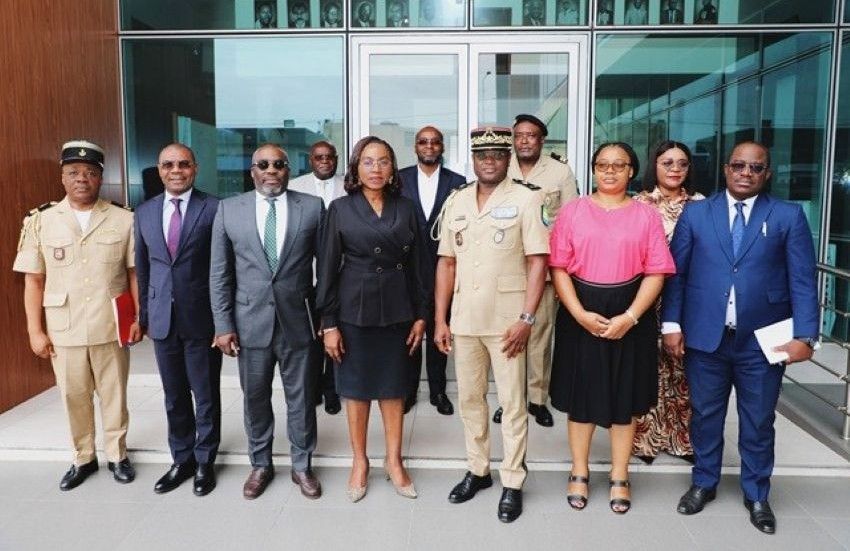
A landmark meeting held in Libreville on July 14 brought together General Hugues Modeste Odjangou, Director General of Customs and Indirect Taxes, and Édith Laure Oyaya épouse Mbiguidi, Director General of Taxes. The gathering marked the launch of a comprehensive reform to deepen operational coordination between Gabon’s two primary revenue-generating agencies.
This initiative aligns with President Brice Clotaire Oligui Nguema’s vision of building a more efficient and results-driven administration. With infrastructure projects, public services, and economic diversification taking center stage, maximizing domestic revenue mobilization has become a national priority.
Breaking down administrative silos for better financial governance
In modern economies, fiscal and customs administrations no longer operate in isolation. Data sharing, information cross-referencing, and coordinated enforcement efforts significantly boost revenue collection while minimizing fraud opportunities. Gabon is now formalizing this approach through institutionalized collaboration.
Key focus areas discussed include:
- Real-time exchange of fiscal and customs data
- Joint field inspection operations
- Shared operational resources
- Unified anti-fraud strategies targeting tax evasion and illicit trade
The reform is anchored in a legal framework. The Order No. 073/MEFDPLVC of April 10, 2026, establishing the Joint Tax-Customs Commission, now serves as the institutional backbone for this cooperation. This mechanism ensures compliance with CEMAC customs regulations and facilitates seamless information flow between the two agencies.
A model aligning with African best practices
Gabon’s move reflects a broader trend in African public finance modernization. Countries like Rwanda, Morocco, and Côte d’Ivoire have demonstrated how integrated tax-customs systems can enhance budgetary performance while curbing tax evasion and informal economic activities.
The next phase will involve establishing the joint commission to oversee implementation, monitor decisions, and coordinate future operations.
Beyond revenue collection: A holistic governance upgrade
This reform transcends administrative efficiency. By merging the two primary revenue streams, Gabon aims to strengthen its fiscal margin without increasing the tax burden on compliant taxpayers. The focus remains squarely on combating fraud, false declarations, and opaque commercial practices that drain public resources.
The integration sends a powerful signal to international partners, investors, and financial institutions. It underscores Gabon’s commitment to economic governance modernization, internal resource security, and long-term financial credibility.
Ultimately, this collaboration represents more than an administrative merger. It symbolizes Gabon’s ambition to build a state that protects its resources more effectively, funds national priorities through domestic revenue, and cultivates a transparent, performance-oriented administration. The partnership between Customs and Tax authorities stands as a cornerstone in this new financial architecture.