French Prime Minister Sébastien Lecornu’s official visit to Rabat this week marked a pivotal moment in Franco-Moroccan relations, as both nations seek to elevate their partnership to unprecedented levels. The high-stakes diplomatic engagement underscores a deliberate shift toward deeper collaboration, following years of strained ties and recent breakthroughs in bilateral trust.
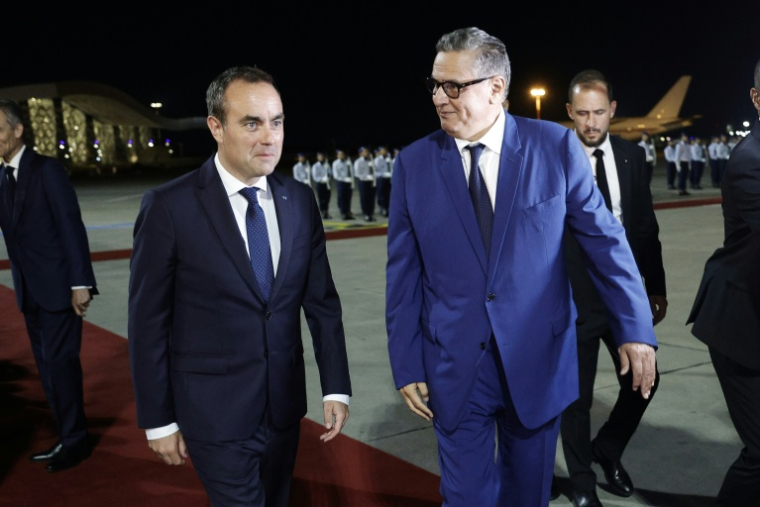
During his two-day stay, Lecornu emphasized the need to “scale up” the relationship, echoing the strategic vision first outlined by President Emmanuel Macron and King Mohammed VI. The French leader’s visit came on the heels of Macron’s historic 2024 recognition of Morocco’s sovereignty over Western Sahara—a move that not only mended fences but also triggered a wave of economic and diplomatic agreements.
from tension to partnership: a diplomatic reset
Relations between Paris and Rabat hit rock bottom in 2021, marred by espionage allegations involving the Pegasus spyware, a crisis over visa restrictions, and mutual distrust. However, a decisive turning point arrived in 2024 when Macron’s administration formally endorsed Morocco’s stance on Western Sahara, easing tensions and paving the way for a series of high-profile exchanges. The French president’s subsequent state visit to Rabat in October 2024 solidified this thaw, culminating in a landmark “exceptional strengthened partnership” and multiple bilateral deals.
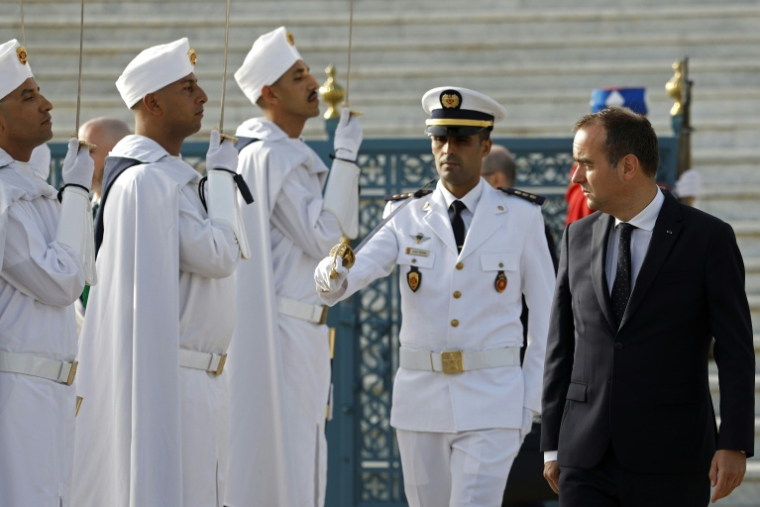
Against this backdrop, Lecornu’s arrival in Morocco carried symbolic weight. His delegation, comprising twelve ministers including Foreign Affairs and Interior chiefs, was accorded full military honors upon landing in Rabat. The visit kicked off with a solemn wreath-laying ceremony at the Royal Mausoleum, honoring the late kings Mohammed V and Hassan II, before proceeding to a closed-door meeting with Moroccan Prime Minister Aziz Akhannouch.
shared security priorities and future prospects
Lecornu described the ongoing dialogue as a “pivotal moment,” highlighting converging interests in the Sahel, where both countries face growing jihadist threats. He proposed positioning Morocco as a key “anchoring point” for Rabat’s relationship with the European Union, reinforcing the Maghreb nation’s strategic importance in stabilizing North and West Africa.
Morocco’s leadership echoed this sentiment, with government spokesperson Mustapha Baitas stressing the need to “accelerate implementation” of the 2024 partnership commitments and prepare for the next phases of collaboration. The visit also set the stage for a potential state visit by King Mohammed VI to France and the negotiation of an unprecedented “friendship treaty,” though no dates have been confirmed.
economic, security and defense accords on the horizon
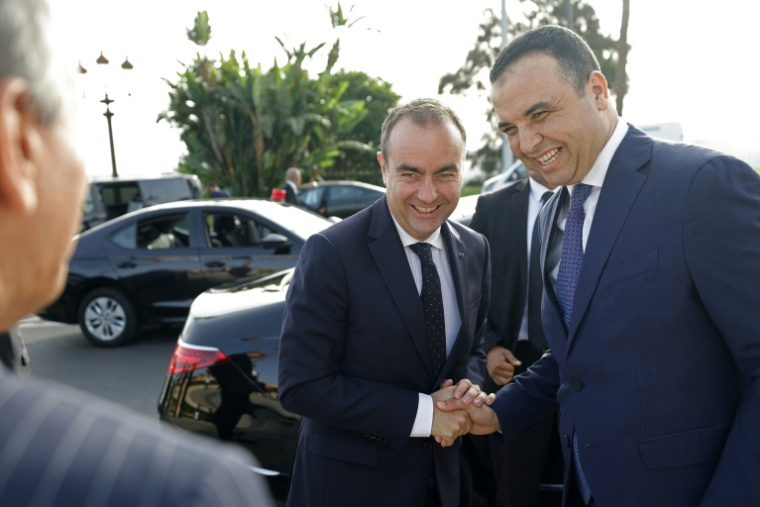
Diplomatic sources reveal that nearly fifteen agreements are slated for signing across key sectors, including transportation, migration, defense, and cultural exchange. Highlights include plans for a new Rabat regional express train network and potential arms industry partnerships. The defense collaboration aims to address shared security challenges, particularly in counterterrorism efforts in the Sahel.
This strategic pivot reflects France’s renewed focus on Morocco as its primary partner in the Maghreb, moving away from its previous attempts to balance relations with Algeria. The shift comes amid growing frustration with Algiers’ reluctance to share intelligence on regional security threats, despite renewed Franco-Algerian cooperation.
On the espionage controversy surrounding Pegasus, no official comments were forthcoming from either government. Morocco has consistently denied all allegations of unauthorized surveillance, dismissing them as “false and baseless accusations.”
As both nations look ahead, the message is clear: after years of missteps and mistrust, Paris and Rabat are laying the groundwork for a robust, forward-looking alliance—one designed to redefine their role in Africa and beyond.