Francophonie 2026: Gabon and Mauritania shape Africa’s voice
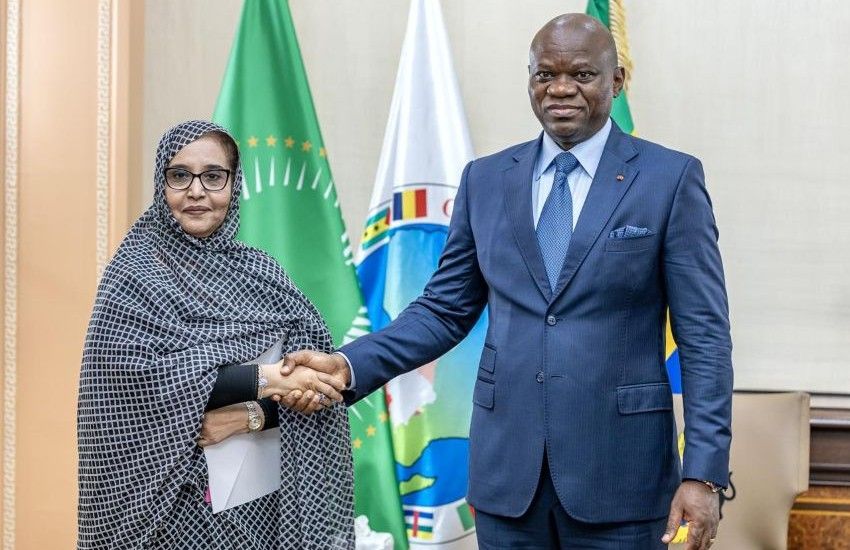
Libreville, June 22, 2026 — A high-stakes diplomatic exchange in Gabon’s capital is revealing how Africa is reshaping the future of the International Organisation of La Francophonie (OIF). The meeting between Gabonese President Brice Clotaire Oligui Nguema and Mauritanian envoy Messouda Baham Mohamed Laghdaf underscores a shift where African capitals are taking center stage in defining the organization’s priorities.
The Mauritanian minister, carrying a personal message from President Mohamed Ould Cheikh El Ghazouani, officially presented the candidacy of Dr. Koumba Ba for the OIF’s secretary-general position. This move is more than symbolic — it reflects a broader continental push for a Francophonie that prioritizes tangible outcomes over institutional symbolism.
A new vision for the Francophonie
Dr. Ba’s candidacy is built on three pillars: coherence, balance, and direct utility for member states. In an era where digital transformation, youth employment, climate change, and technological sovereignty dominate policy agendas, Africa is demanding a Francophonie that delivers more than cultural preservation.
For Mauritania, this means advocating for a Francophonie that aligns with Africa’s urgent development needs — from renewable energy projects to artificial intelligence frameworks tailored for local economies. The message is clear: the future of French-speaking nations must be African-led.
Gabon’s growing diplomatic influence
Gabon’s leadership under President Oligui Nguema has positioned Libreville as a key player in continental diplomacy. Since assuming office, the president has championed dialogue and consensus-building, earning Gabon a respected voice in regional forums. This visit from Mauritania is not just a courtesy call — it signals Gabon’s role as a bridge between Francophone and Arabophone Africa.
During the meeting, both leaders emphasized bilateral cooperation in climate action, sustainable development, and economic exchange. These sectors reflect Gabon’s strategic priorities as it seeks to diversify its economy beyond oil and gas.
The African demographic advantage
Over 60% of the world’s French speakers now live in Africa — a figure projected to rise to 85% by 2050. This demographic shift is redefining global Francophonie, making Africa not just a participant but the primary stakeholder. African nations are no longer satisfied with a secondary role in decision-making; they want leadership roles that reflect their growing influence.
The move by Mauritania to back Dr. Ba’s candidacy is part of this African redefinition of the Francophonie. It challenges the traditional view of the organization as a tool of former colonial powers and positions it as a platform for African innovation, economic integration, and youth empowerment.
For Gabon, hosting this initiative aligns with its broader goal of reinforcing its role as a hub for Francophone-African cooperation. By supporting a Mauritania-backed candidate, Libreville is signaling its commitment to an inclusive, results-driven Francophonie — one that serves the continent’s evolving needs.
The silent realignment of power within the Francophonie is underway. The question is no longer whether Africa should have a seat at the table, but which African vision will shape the organization’s next chapter.