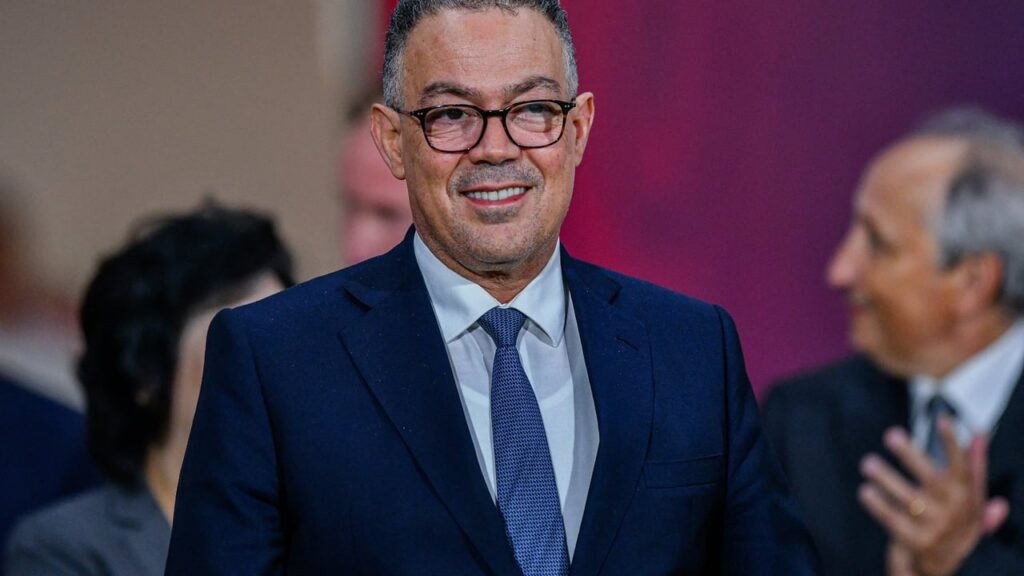

Morocco’s political landscape has been shaken by a surprising appointment that has thrust Fouzi Lekjaâ into the spotlight. His recent role within the United Nations World Food Programme (WFP) has ignited fierce debates across the nation as the country gears up for a pivotal election season.
The unexpected move has left analysts scrambling to decipher its implications. As a prominent figure in both sports administration and public policy, Lekjaâ’s new position has become a lightning rod for discussions about strategy, influence, and the future direction of Morocco’s leadership.
Why Fouzi Lekjaâ’s WFP appointment matters in Morocco’s election
Fouzi Lekjaâ, widely recognized as the president of the Royal Moroccan Football Federation, has carved out a reputation as a shrewd operator in both sporting and political arenas. His unexpected integration into the WFP has sent ripples through the Moroccan public, raising questions about the intersection of humanitarian work and electoral politics.
Critics argue that the timing of his appointment—so close to the elections—could be more than coincidental. Supporters, however, view it as a bold strategy to bolster Morocco’s global standing while addressing pressing social issues.
Analyzing the political fallout
The move has intensified scrutiny over Morocco’s political dynamics, particularly the strategies employed by key players in the upcoming vote. Lekjaâ’s dual role—balancing football governance with a high-profile UN position—has fueled speculation about his motivations and the potential impact on voter perceptions.
Some political observers suggest that this appointment could serve as a calculated maneuver to enhance Morocco’s international image, particularly in sectors like food security and sustainable development. Others see it as a distraction tactic amid growing public dissatisfaction with domestic policies.
Public reaction and media buzz
The announcement has dominated headlines, sparking a wave of reactions across Moroccan society. Social media platforms are abuzz with debates over whether Lekjaâ’s new role is a genuine commitment to public service or a calculated political play.
While some citizens praise the move as a step toward greater global engagement, others remain skeptical, questioning the alignment of his priorities with the needs of ordinary Moroccans. The controversy underscores the delicate balance between sports diplomacy, humanitarian efforts, and electoral politics.
What’s next for Morocco’s election and Fouzi Lekjaâ?
As Morocco approaches its election period, the political implications of Lekjaâ’s appointment will continue to unfold. The coming weeks will be critical in determining whether this move reshapes voter sentiment or remains a footnote in the broader narrative of the campaign.
For now, the debate rages on, with analysts dissecting every aspect of Lekjaâ’s dual role and its potential to influence Morocco’s political future. One thing is certain: his WFP position has become a defining feature of this election cycle, drawing attention to the complex interplay between sports, international relations, and domestic governance.