FlyGabon expands to Europe with new direct routes
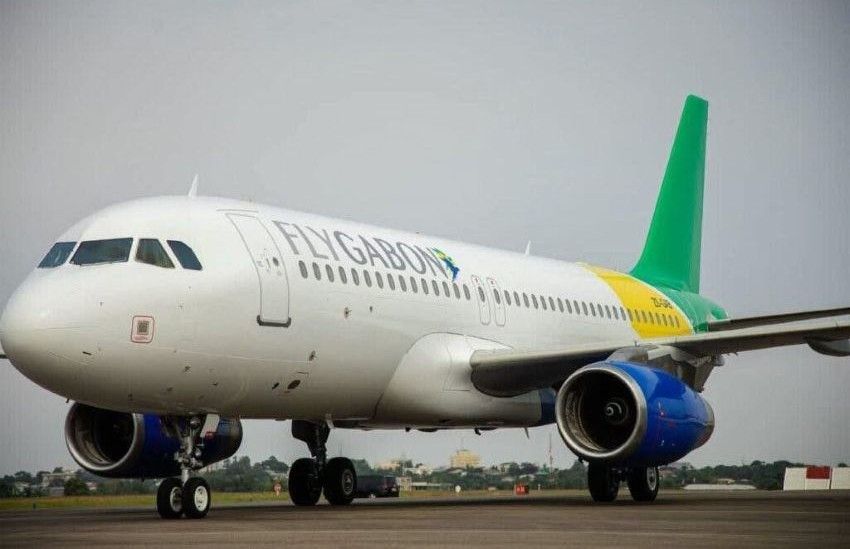
In a potential turning point for Gabon’s aviation sector, FlyGabon is preparing to launch direct flights to Paris and London, marking a bold step beyond its traditional domestic and regional routes. This strategic move isn’t just about expanding travel options—it’s about repositioning the nation as a key player in global mobility, trade, and investment flows.
The timing couldn’t be more critical. In today’s interconnected world, air connectivity isn’t just a convenience—it’s a measure of economic strength and a pillar of national sovereignty. For Gabon, this initiative represents more than just passenger transport; it’s a calculated effort to reduce reliance on foreign airlines while enhancing Libreville’s international standing.
FlyGabon’s European gamble
Under the majority ownership of the Gabonese government through Fly Air Gabon Holding, the airline is gearing up to integrate advanced Boeing 737 Next Generation and Boeing 737 MAX aircraft into its fleet. The choice of the 737 MAX is particularly strategic: with a range of up to 6,500 kilometers, these planes can handle non-stop flights from Libreville to major Western European hubs like Paris (~5,450 km) and London (~5,750 km).
This capability could revolutionize travel between Gabon and Europe. Historically, many Gabonese travelers relied on foreign carriers or multi-stop itineraries via regional hubs. Now, Libreville stands to become a direct gateway to some of Europe’s most important economic centers.
The commercial stakes are high. Gabon’s economic ties with Europe remain among its most vital, spanning sectors like oil, manganese, processed timber, and private investments. Strengthening air links will be crucial in streamlining these exchanges and fostering deeper economic integration.
A global strategy tailored for African realities
FlyGabon’s approach aligns with broader trends in the aviation industry, particularly the widespread adoption of aircraft leasing. This model—where airlines rent planes instead of purchasing them—has become the norm globally, with nearly two-thirds of carriers using it to some extent. The benefits are clear: lower upfront costs, preserved cash flow, and greater operational flexibility.
For African airlines, leasing is especially advantageous. Delivery delays from manufacturers like Boeing or Airbus can stretch beyond four or five years, making leasing a practical solution to meet market demand without being locked into long-term commitments. FlyGabon’s strategy reflects a mature economic mindset—prioritizing sustainable growth over immediate heavy investments in fleet acquisition.
Libreville’s ambition to become a regional gateway
Behind the technical details lies a much larger national vision: transforming Libreville into a strategic hub connecting Central Africa and Europe. This goal is part of a broader modernization push that includes ports, logistics, and transport infrastructure, all designed to support economic diversification.
A strong national airline isn’t just a symbol of sovereignty—it’s a tool for competitiveness. FlyGabon aims to bolster investments, boost tourism, facilitate business travel, and accelerate regional integration. The challenge is substantial: European routes are among the most competitive worldwide, demanding top-tier safety, punctuality, service quality, and profitability. Yet the airline’s trajectory signals a clear intent—to move beyond merely serving domestic needs and emerge as a continental player capable of sustainably linking Gabon to global economic powerhouses.
The announcement of new routes to Paris and London isn’t just a commercial milestone. It’s a declaration of a new connectivity strategy where aviation becomes a catalyst for economic growth, international influence, and national sovereignty. For FlyGabon, the real takeoff may now be over the Atlantic.